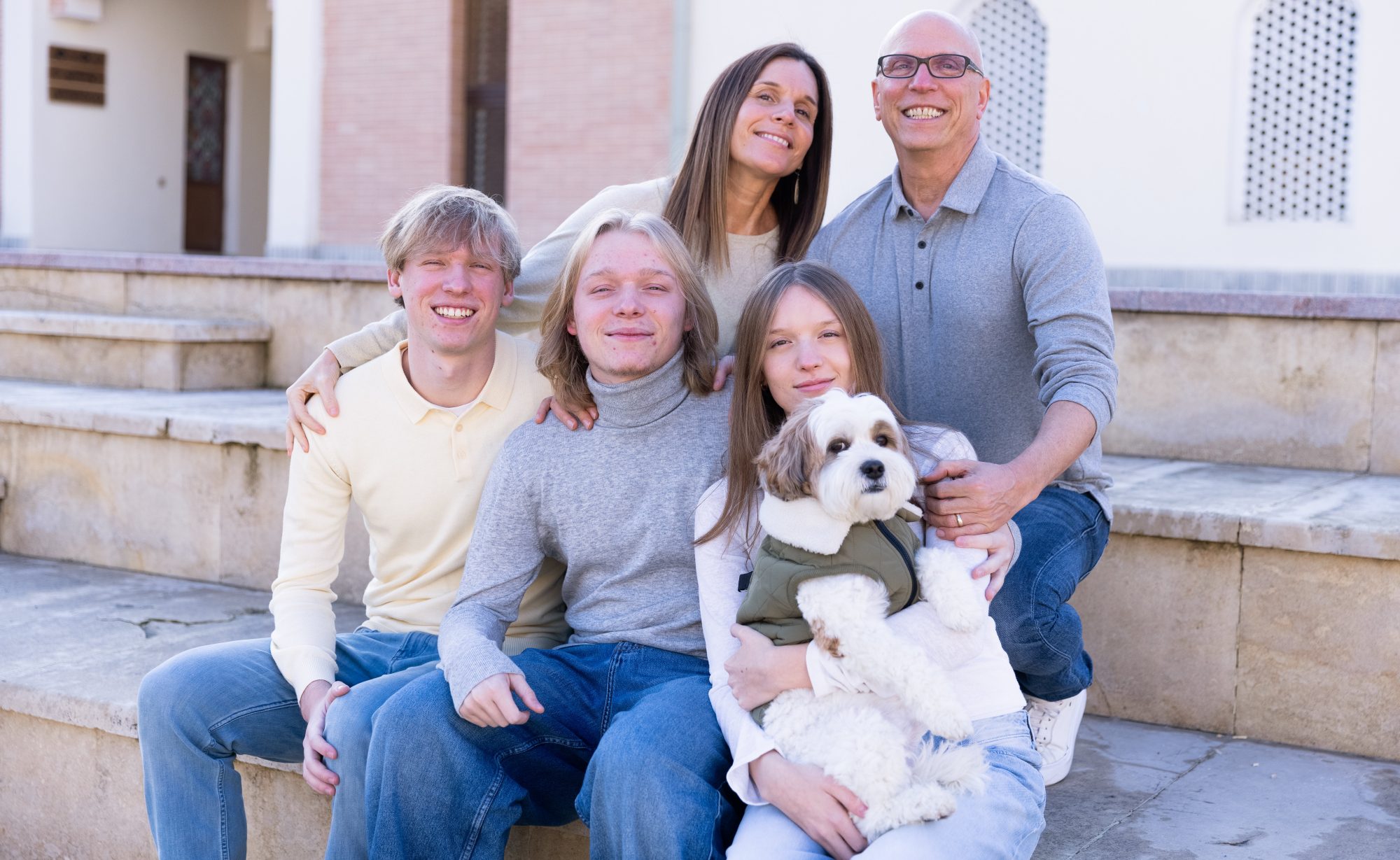
Family Journal: Saturday January 17, 2009

Friday evening after basketball practice I rushed home to get ready for an evening out. We hired a baby sitter for the night, and went out on a double date with the Moynihans. We had a nice dinner at Iguana (they recently changed the name to Na Costra or something similar). It is a small restaurant located downtown on Božidara Adžije Street. The owner lived many years in Melbourne and the food was excellent. Nadia had her favorite, sticky date pudding, an Aussie delicacy. We sat in a cozy table in the window and it was great. I chose a Serbian wine, a grape variety call Vranac, which was perfect. The restaurant is near the big Kalenić market so we did some shopping after wards. The absolutely best place to buy fruits and vegetables in the city, especially in the winter is the Tomato Company. It is located a block away from the Kalenic market, near a Hleb i Kifle bakery. They have rugula, lettuce, plums, etc. They also take care to present the produce well. Nadia and Janna are shown above in produce heaven.

Saturday we awoke to no electricity in the house and we had flashbacks to our time in Anaco, Venezuela. Goran from the school was all over the problem we got power back in the afternoon. Electrical crews were working on one of the poles near our house and last night we had no street lights near our house. In the afternoon we went grocery shopping for the week. We also watched a movie, “Bed Time Stories” with Adam Sandler. In the evening I was the administrator in charge of the 24 Hour Theater production by our school’s Thespian Society. I really enjoyed the show.

Below we took the wood that my future brother-in-law used with the boys. Owen woke up and wanted to hammer nails, so that is what we did. We built a stand for the shovel, rakes, etc. that I have in the yard. I also shoveled off all of the ice and snow from the side walk. My Dad would have been mortified to see a Kralovec family sidewalk in a slippery condition.

Ollie and Owen help me Build a Garden Tool Holder

The Bridge On The Drina – Ivo Andrić


 I just finished reading “The Bridge on the Drina” by Bosnian writer, and former long-time Belgrade resident, Ivo Andrić. He won the 1961 Nobel Prize for Literature.
UPDATE: I visited the bridge on October 17, 2009. My blog post on the experience is here

Andrić lived a full life and he is a great example of the idea of Yugoslavia. His parents were Croats from Sarajevo, Bosnia. He spent his childhood in Višegrad, a small town on the border of Serbia and Bosnia. He studied in Sarajevo and Zagreb, Croatia. He was imprisoned during WWI by the Austro-Hungarians as a revolutionary. After the Kingdom of Serbs, Croats, and Slovenes gained independence Andrić began a career as a diplomat for the new government. He held posts in Hungary, Austria, Italy, France, Belgium, Switzerland, and finally, in his peak position on the eve of WW II, to Berlin, Germany. All during this time, Andrić was writing and publishing poems, essays, and short stories. When Hitler occupied Poland, he tried to resign, but the Yugoslav government rejected it. When Germany bombed Belgrade in 1941, he retired from the foreign service and lived the rest of his life in Belgrade. During the war, he wrote three novels that would earn him the Nobel Prize. He donated the prize money to build libraries in Bosnia. You can read more about him at Ivo Andric Foundation web site.

I highly recommend the book, “The Bridge on the Drina.” The Drina is a river that separates Bosnia and Serbia. The bridge he refers to in located in the town of Višegrad, Bosnia. The novel is an epic historical fiction beginning in the 1500’s with the construction of the bridge by the Ottoman Turks and ending with its destruction during World War I. I love history and as all good historical fiction does, it brings alive the facts of history. It got me to think more about the legacy of the Ottomans. They had a large empire for many years, but are not that well known or studied in the US. Andrić tells of the Ottoman’s blood sacrifice, in which the Turks would raid Serbian villages and kidnap young Serbian boys to raise them as Turks in Istanbul. He also describes the public “staking” of a man caught vandalizing the bridge during its construction. The Turks were here in Serbia for a long time. As the novel progresses through time, it is good to have a bit of background of Balkan history. Besides the historical stuff, he tells good stories of people and families. My only criticism is he slides into a bit too much of “magic realism” and I got burned out on that by reading Garcia Marquez and other Latino writers.

The picture above is of the Hotel Moscow which I took in August of last year. Ollie is pictured in front of the fountain. A friend tells me it was one of Andric’s favorite hangouts here in Belgrade. I will go visit his museum soon. The apartment where he lived is now a museum and it will give me a better idea of the man and his works, and I will do another post on the visit. I will also most likely read some more by him. I am especially interested in reading his essay on Simon Bolivar. If any of my blog readers have a copy of that, preferably in English (I am now at the stage in my Serbian language development which I call “early caveman” – for example, Danas lepo toplo i kizovo (today very cold and slippery).