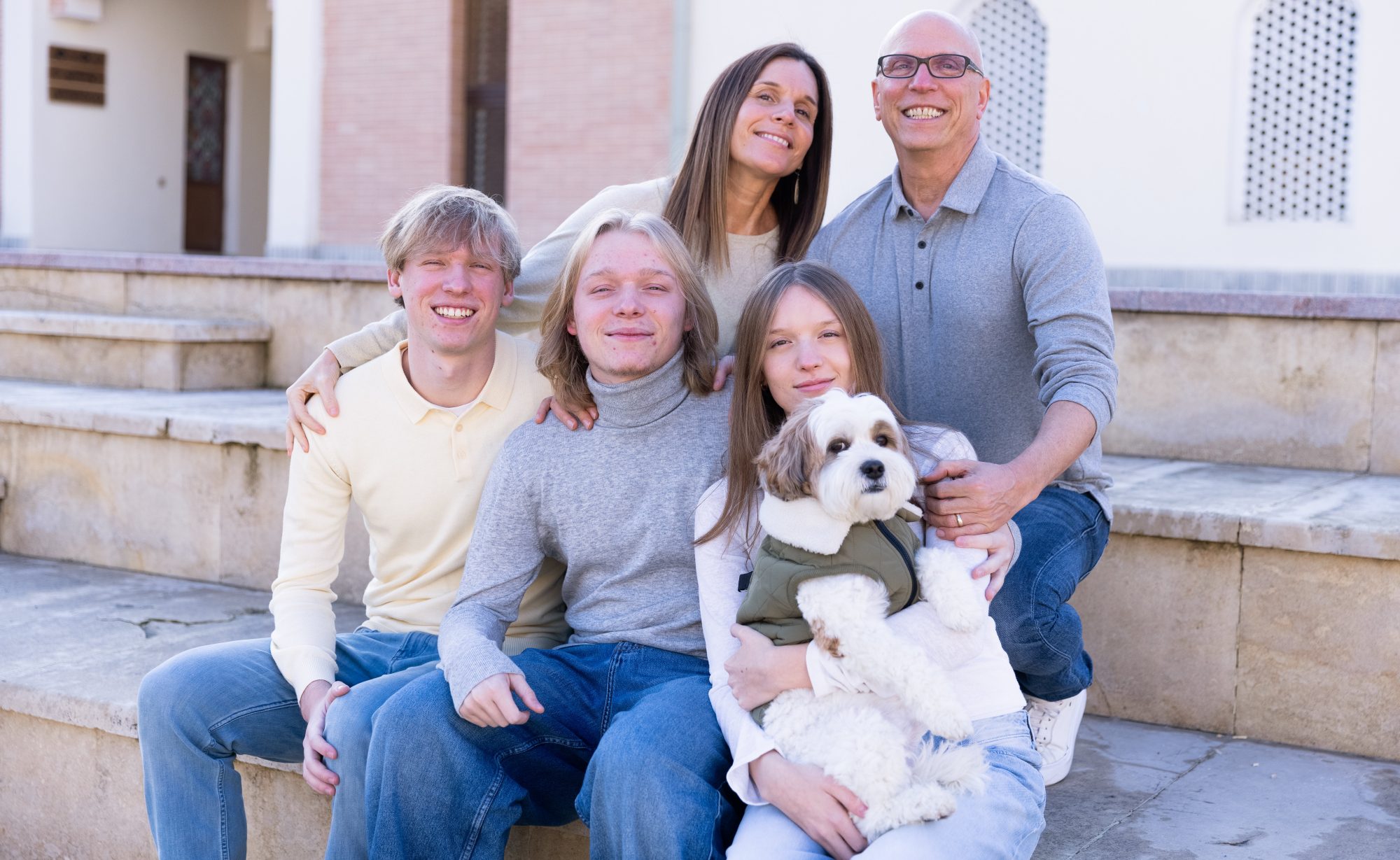

My Angels, originally uploaded by bill kralovec.
Sleepy rides up north never go out of fashion
If I close my eyes, I think I can recall falling asleep in the back of the station wagon and having my dad scoop me up, both of us pretending that I’m still sound asleep. He’d carry up me up the stairs, which seemed so long and steep as a child, and gently lay me down on the cool, crisp sheets of my bed whispering, “There, now.”
I was thinking of this as we were coming home from up north on a recent Sunday afternoon. The four-hour drive was just long enough to talk about the highs and lows of the weekend, chow down Subway sandwiches and then read or take a nap, thanks to all the Dad drivers in the world.
I offer to relieve him: “Are you sure you don’t want a break? I’m happy to drive if you’re tired.”
He says he’s fine, and I’m silently thrilled to be off the hook.
We are in transition from the country to suburbia — from moonlit, late-night boat rides, s’mores and roadside farm stands to the grind of deadlines, traffic delays and gruesome headlines.
Mentally preparing for re-entry, which always seems sudden even after a mere weekend away, I try to nap but am not surprised that I can’t stop my brain from making lists.
I turned my head to see our three girls in the back seat sound asleep. Even Lucy, the black Lab, exhausted after all that swimming,was zoned out in a space surrounded by all the luggage.
Somehow the girls, crowded together, had managed to get comfortable enough to doze off. They angled their legs accordion-style, six knees propped in twos on the back of our seats. Pillows were smacked, folded in two and shoved in the crooks of their neck. Finally, they ditched the ever-present ear buds, and the cell phones were somewhere on vibrate. If all goes as planned, they will wake up close to our exit.
By now, they have mastered the art of sleeping in cars. After all, we’ve been driving up north with them all their lives.
We had three babies in four years, so for a while, we had two infant car seats and a toddler bumper seat in back. Nighttime drives up north were very popular. The kids would drift off, sleep the whole way and, in the magic of time lapse, only awaken once we arrived at the lake. More importantly Mom and Dad finally had a decent stretch of time to ourselves.
They, too, remember faking sleep so they wouldn’t have to change into pajamas, the patterned imprint on their cheeks of a seat belt. I remember the smell of their sweaty scalps, how their heads perfectly fit into our palms.
In the minivan days, we took out the back seat and let the kids put sleeping bags and pillows back there. And while this resides in the “what were we thinking?” category, I could look back and see the cloudy circles of flashlights dancing on the roof.
Now, they are teenagers, the oldest only months away from 20. They are all limbs, long hair and smiles that will inevitably launch a thousand ships, I know, but right now they are here, asleep, all three together, in my line of vision, cherished ever more. Better yet, our exit is still several miles away.
 Bill's Blog