I am preparing for a panel discussion this Wednesday evening at our school. The topic will be Raising Global Nomads. Below are some notes for the panel of experts to review. These will be some of the discussion points.
We decided to raise our children internationally because we feel the experiences and lifestyle will make them better people. Over the holiday break, I am reading two books that discuss this. The first is the classic, “Third Culture Kids: The Experience of Growing Up Among Worlds” by David Pollack and Ruth Van Reken and the second is “Raising Global Nomads: Parenting Abroad in an On-Demand World” by Robin Pascoe.

First some definitions. The term Third Culture Kid comes from a study done in the 1950’s by a husband and wife team (Useem) that did research on Americans (culture #1) living in India (culture #2) in an expatriate enclave (culture #3), hence the name third culture. The term global nomad is defined as a child who has lived abroad during their identity formative years because of a parent’s occupational choice. Another term I use a lot is expatriate or in the shorter form, expat. This is someone that is living outside (ex) of their home (patria) country.
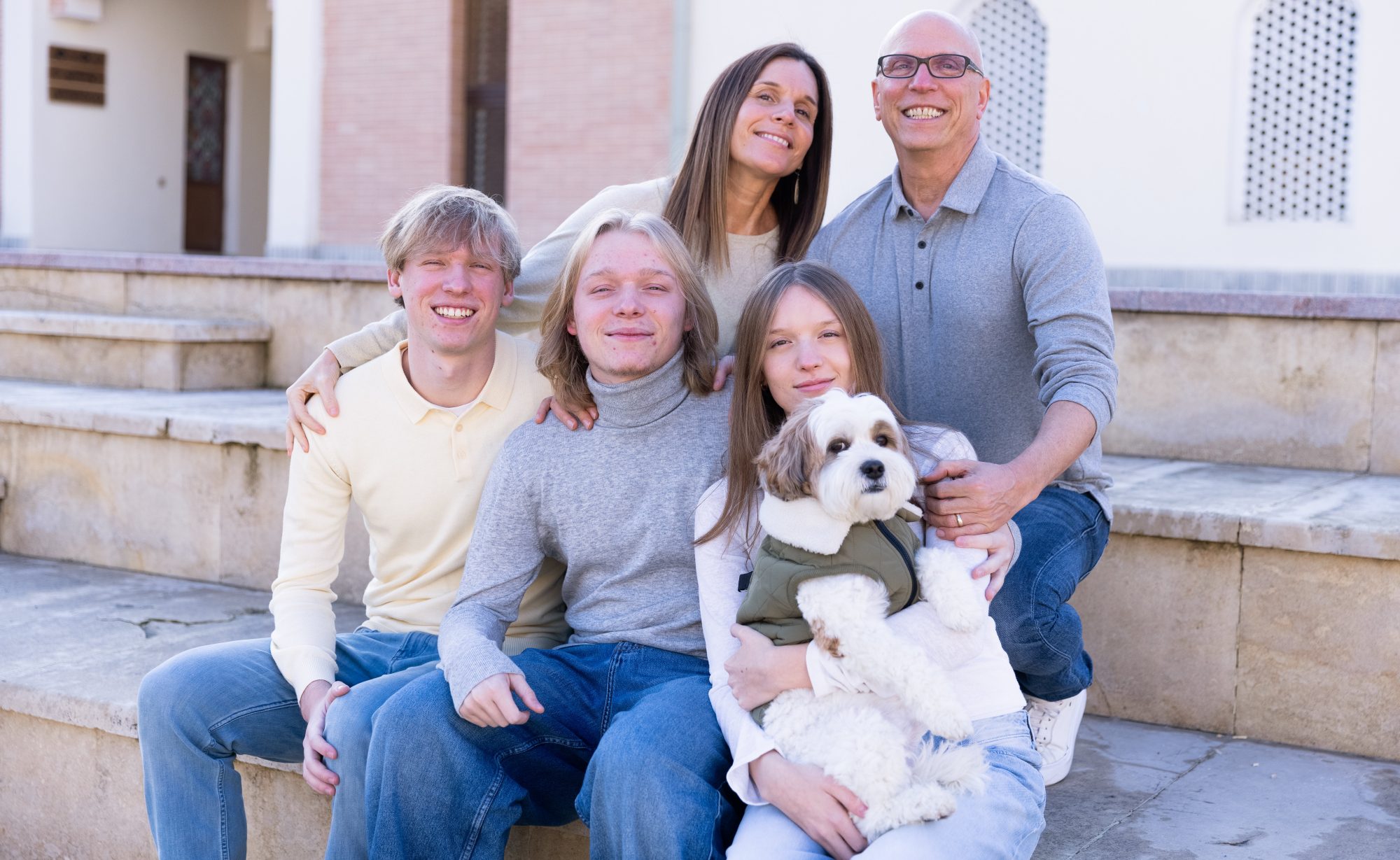
Those definitions apply to my three children perfectly. I am not a global nomad. I was born and raised in Michigan’s Upper Peninsula and lived in the same town and house from practically birth until I left for my first job at age 23. My wife is a bit different, as she was born in Australia (first culture) to Bolivian parents (second culture), but she did not live in an expat enclave. She also moved back to Bolivia at age 14. She doesn’t really “belong” in either Australia or Bolivia. This really doesn’t bother her, although some people discussed in the books are bothered by this. I have lived abroad for almost 20 years and don’t feel I belong to one place entirely. I enjoy everyplace I have lived and feel “at home” where ever I am. But the reason I am reading these books and thinking about this is not for me, but for my children. I wonder as they get older, what they will think about our choices of this global, nomadic, lifestyle.
The cases discussed in the book are mostly families that are employed as diplomats, multinational businesses, or missionaries. I haven’t found any parts yet about teachers in international schools. In Venezuela, all the families came because of the oil business. Here in Belgrade, they are mostly from the diplomatic missions, although we also have children of employees from Nokia, Kraft, Hotel Zira, US Steel, etc.

At the International School of Belgrade (ISB) I work mostly with global nomad teenagers. It reaffirms my decision as I really enjoy seeing the positive traits this lifestyle has given them. These traits as explained in the books are as follows:
- More globally aware and worldly wise
- they spend more time with adults than their domestic peers so they are more mature
- they are generally high achieving and work harder at their studies than domestic children
- they are exposed to the children of highly skilled professionals which is always good.
- they are flexible and tolerant of different views and cultures
- Drawn to careers with service to the community or to the world
The challenges or downside to overseas living is as follows:
- they can feel special and privileged – depending on the country they can have maids, nannies, drivers, gardeners, etc.
- they can be snobbish as they have traveled and experienced more than their domestic counterparts
- they may experience grief in the loss of friends and teachers throughout their lives
- adolescent rebellion may be delayed until they are gone to college, as they may not be as independent as domestic children
- children are silent partners in relocation
- they may feel rootless and restless, as if they don’t belong anywhere; a migratory instinct may takee hold
- they may have issues of unresolved grief as they lose so many friends and teachers throughout their lives
The book, “Raising Global Nomads” gives advice for many of the challenges for families. There is a chapter on re-locations and how much to involve the children, timing, traveling tips, etc. Another chapter gives advice on culture shock, especially the difference between children’s sense of shock and adults. Some of the other issues are as follows:
- The work demands on parents and its effects on the family.
- Sensitive children
- First-timers overseas
- Loss of friends
- Dual career marriages – multicultural marriages – divorce
- Transferring worries and fears of parents to the children
- Choosing a school
- Health issues (finding a doctor – insurance – etc)
- Repatriation
Wings & Roots – by Gail Schoppert (long-time international schools director)
We thought we couldn’t give them roots
We gave them wings.
The things that nurture children
Can be named,
Although they are not the same in every home.
When you choose to roam outside your native land
And you have children
Be prepared to have them grow up special
And to grow up quick.
They learn the trick of being with adults,
And how to make friends fast,
But not to make fast friends.
When friendship ends,
Each time a parent is transferred
It is hard to trust.
Just nothing seems to last.
But overseas
The family grows close,
Depending on each other.
But where are
Grandparents, aunts and uncles, cousins?
They are cast in distant, part-time roles.
Some souls that should influence growing minds
Are far away.
And so the home
And so the school
Must fill the lives and set the rules.
It would be good
If we could slow our children down.
They move so fast,
Becoming mature so soon.
Here is a word of hope;
We have raised three children overseas.
And I am proud of all the many things
They’ve done because we gave them wings
And what I thought was a minus really was a plus:
They had to find their roots in us.
 Bill's Blog
I read this book some time ago, and I also thought it was REALLY good. I’m sure the author must be a Third-Culture Kid himself, he wrote it with such understanding.
Expat 21
expat21.wordpress.com