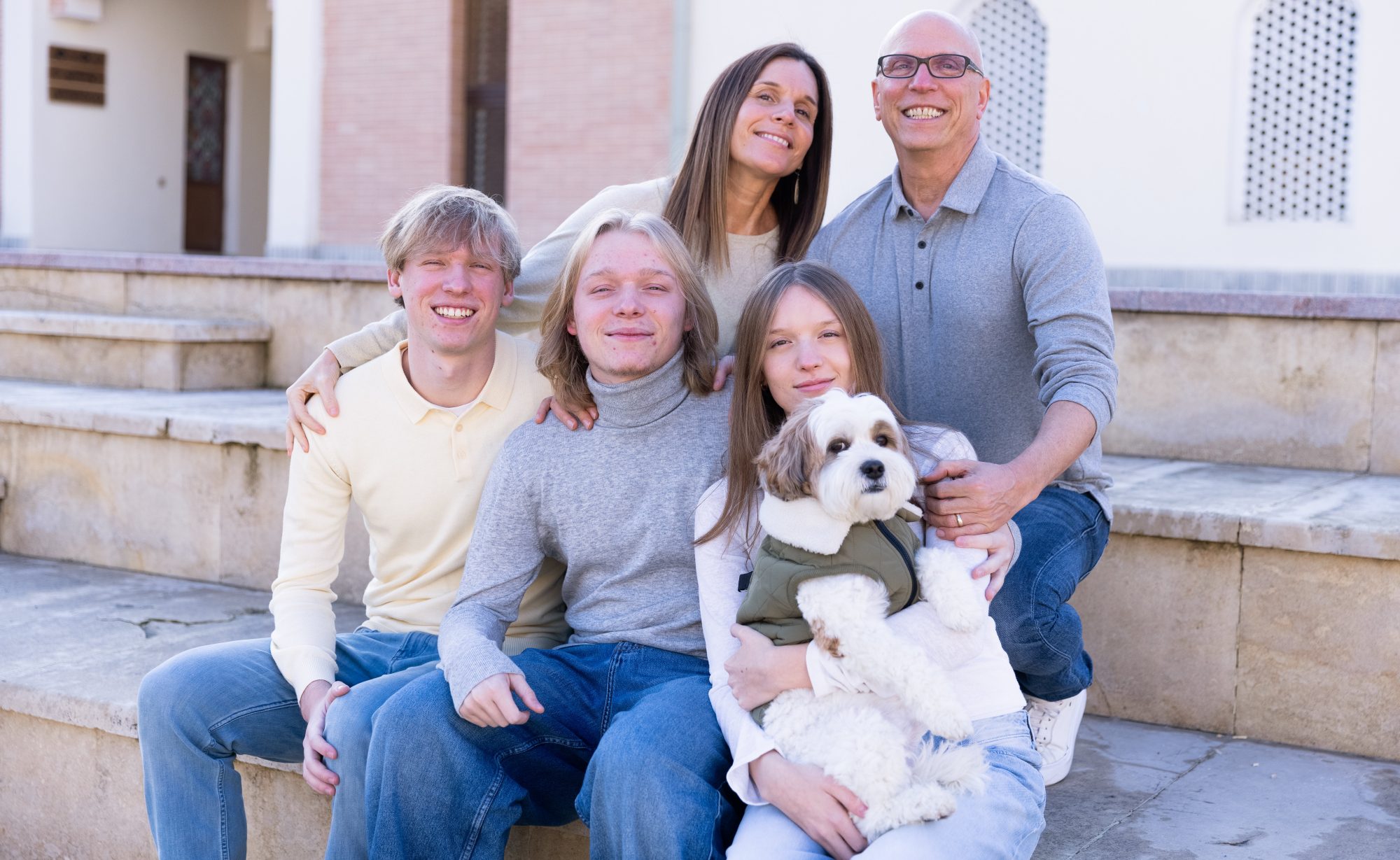
The Carpathian Mountains of Transylvania

Romania historically was split into two major regions, partly due to geography and partly due to politics. The capital city of Bucharest is in the center of the crescent-shaped plain in the southeast of the country which takes up approximately half of modern Romania. The other northwest half of the country is mountainous. After spending two days in the capital, we took a bus to the mountains, which is famously named Transylvania. It is famous due to the Irish author Bram Stoker who wrote the Gothic novel, Dracula in 1897. Count Dracula is one of the world’s most known mythic figures. Stoker took the name Dracula (Romanian peasants mispronounced the word “dragon” referring to an ancient Transylvanian dynasty. Stoker never visited Romania and didn’t refer to Vlad the Impaler (one of the real life historical “Draculas”) in his notes, only getting the name from a Hungarian acquaintance from the region. Transylvania, the mountainous region was controlled by the Austrian-Hapsburg Empire. The Hungarian leaders supported the settlement of German farmers and tradesmen to develop the towns and cities of the region. In part to protect from the Ottoman Empire which controlled the plains. Many of the German settlers were from Luxembourg and spoke a dialect of German similar to modern Luxembourgish. Today there are only about 12,00o left in the country. Most emigrated during and after World War II and through the years of the brutal dictatorship of Nicola Ceaușescu.
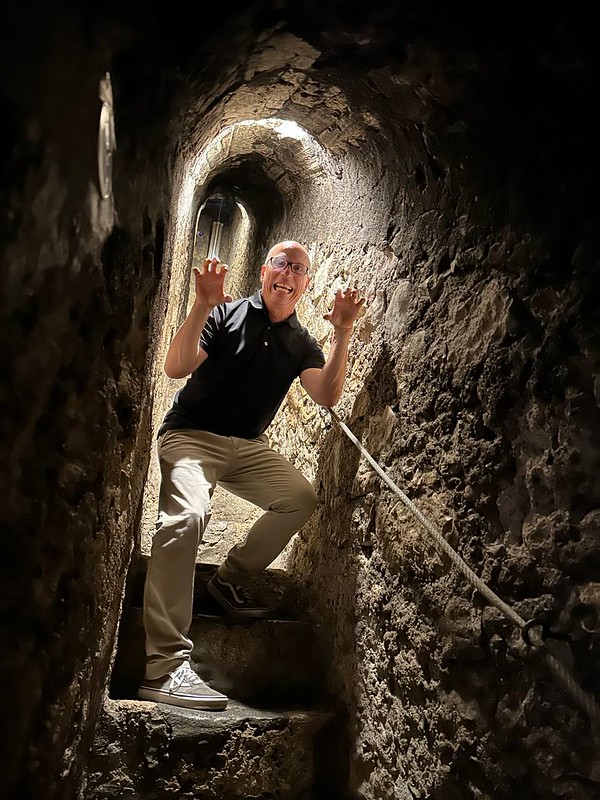
Acting Like a Vampire in Bran’s Castle

Our first stop was the ski resort village of Sinaia. The Carpathian Mountains offer breathtaking views and combined with the German-style architecture reminiscent of the Bavarian Alps, it is a beautiful town. Romania has an infrastructure problem and there were several traffic jams. The 139 kilometers took us over four hours. This is on a Saturday morning. The government should have used the European Union development funds to build wider highways to avoid this. I was surprised that the main highway out of the capital city going to another major city, Brasov, was only a single lane.

Bran’s Castle at Night

Our destination was the ornate Peles Palace, the summer residence of King Carol I (1839-1914). He was the first king of the Hohenzollern-Sigmarigen dynasty to rule Romania. He was named king in 1866 after a coup détat ousted Alexandru Ioan Cuza, one of Romania’s military heroes. Carol was a stern, German military man who led Romanian-Russian troops to defeat the Turks and help unify Romania. He ruled from 1866 to his death in 1914. His only daughter died as a child and eventually, a nephew took over, Ferdinand. The family dynasty ruled the country until they were exiled by the communists in 1947.

Summer Residence of King Carol I

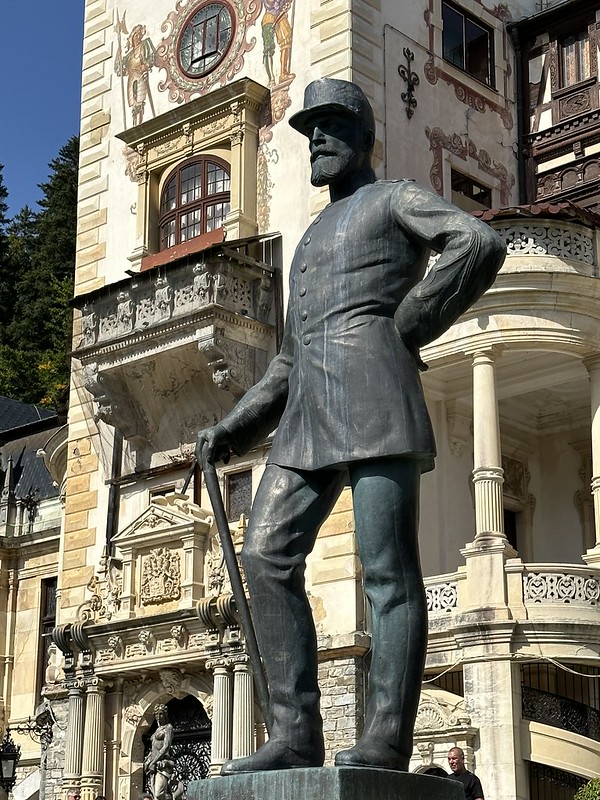
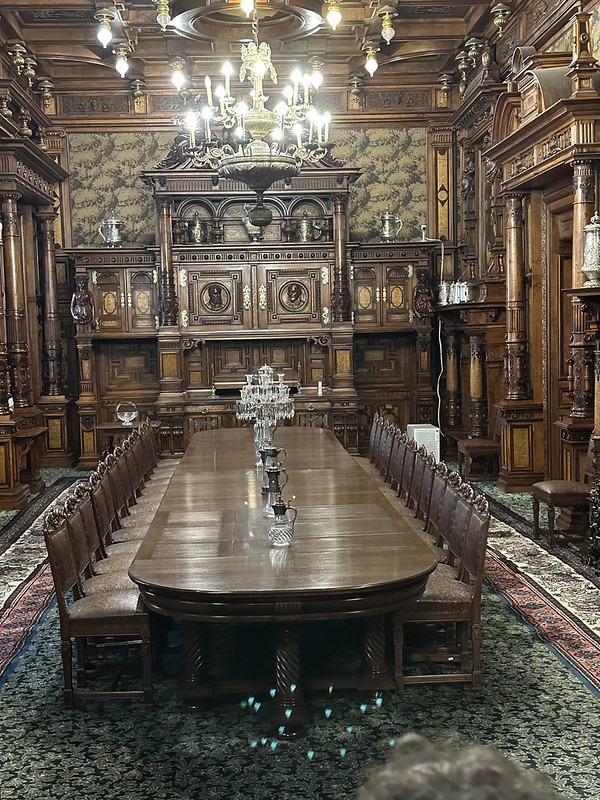
The palace is excessively ornamented with huge murals, detailed woodwork on the doors, walls, and ceilings, stained-glass windows, etc. It looked like a movie set and would be good for Harry Potter or a murder mystery plot. Cherubs must have been quite popular when it was built in 1883. As you can see from the photos and videos, it is incredible that citizens would build something like this as a vacation home for the leader of their country. The idea of monarchs and royal families is abhorrent to me. I guess it is my American spirit, as I am a descendent of poor, European immigrants fleeing the unfair economic system of haves and have-nots in a quasi-feudal system. Andreas Kralovec left Bohemia right around this time, in 1888, to America. He was probably looking for a better life possibility in the frontiers of the Great Lakes region instead of staying under Hapsburg rule. Thank you Andreas!
The grounds are also spectacular with a wall of green pine trees to frame the scene. I noticed besides the massive statue of King Carol I, they also made statues of King’s dogs. I could definitely spend a summer holiday here. I bet the hiking is really nice. The downside to the visit was the huge crowds and we had to wait 5-10 minutes to get in. I am glad I did, however, because taking the tour of the first floor took my breath away. I would have loved to write blog posts in his study and library. It is exactly how I pictured it in my mind with a second loft for more walls of books and a gorgeous desk.

One of our friends broke his foot as he slipped on one of the steps leading into the palace. It was a freak accident and we had to take him to a local hospital, which was another fascinating, cultural experience after seeing the palace. I think this small hospital receives many skiers in the winter with broken bones. He got an x-ray and cast within an hour and we were on our way to Brasov. While we were waiting, I found a trail to the Presov River which runs through the valley. The water quality did not look good and I suspect the wastewater treatment in the region is poor. The Romanians are typical Balkan people, who love life, and live for the moment, but are not very organized.
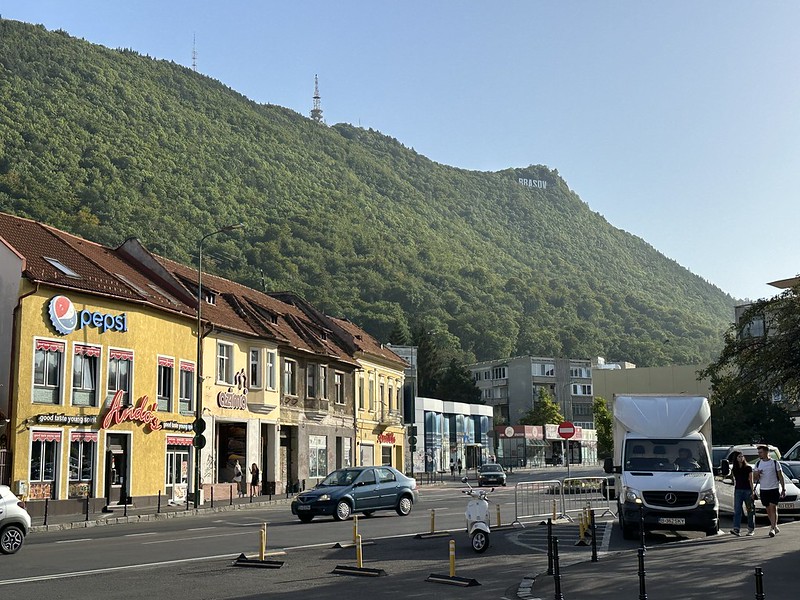
Brasov City Sign

We finished up the day touring the famous Bran’s Castle, located about 25 kilometers outside of Brasov in the town of Bran. The owners market it as Dracula’s Castle and it is surrounded by markets selling vampire kitsch. It is fun, but author Bram Stoker never heard of the castle. It was a customs house, charging taxes on goods moving through a pass in the mountains between the fertile mountain plateau fields. They have done a great job in improving the castle museum. My family visited the castle in 2009 and there were none of the displays and renovations. They have a cool elevator that goes down an old well that leads to an underground shelter.

The castle is now a museum dedicated to the wife of King Ferdinand, Queen Marie. She was quite artistic and decorated it to be used as the family home. Excerpts from her diary were on display and she was thrilled about the romance of living in a castle. The people of Brasov gave it to the royal family. It would have been a very cool place to grow up. She made it cozy, although the winds whipping through the pass must have been tough to live with. We had fun pretending to be spooked by vampires and there was a video depicting all of the Dracula movies through the years. The idea of vampires and the bloodthirsty living dead is irresistible to humans. I saw a poster advertising a Halloween party to be held there. That would be fun!

The View from Bran’s Castle

We finished the evening with a 4-course meal in a private dining room on the grounds of the castle. The perfect way to end a Transylvanian day! The trout covered with butter and garlic was delicious and the duck breast looked and tasted with beef. We had a decent Romanian wine to go with dinner and had lots of laughs as we reflected on our day. I enjoy attending the CEESA fall directors’ meetings and retreats. It is a nice respite from the hectic pace of school leadership and a chance to connect with colleagues who understand the challenges we face.
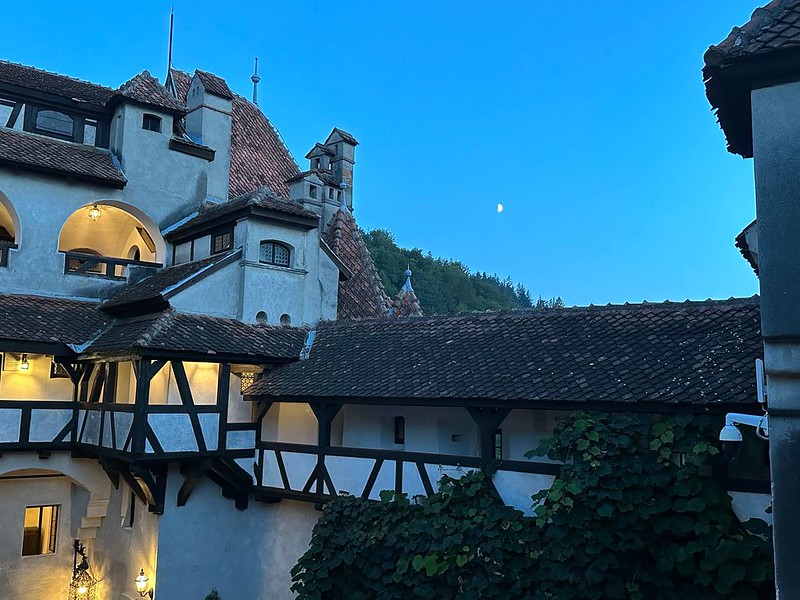
Bran’s Castle

Brasov is a gorgeous city and much improved since I last was here. There were lots of people in the parks and there was a food truck festival to attract even more hungry people. My friend Vesna is from Brasov and it is a great base to explore Transylvania. We stayed here for New Year’s in 2009-2010. The kids were much younger then as you can see below.
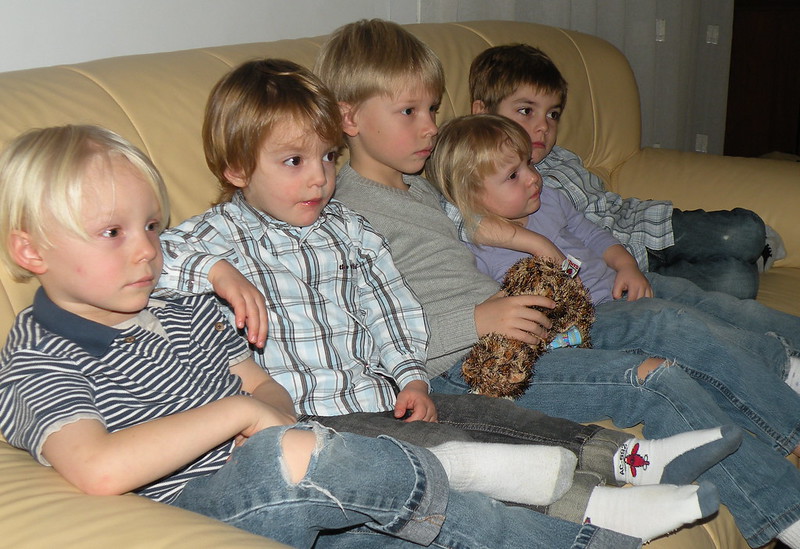

Oliver, Mark, Owen, Ocean, and Tudor

Latest Reading – The Great Successor: The Divinely Perfect Destiny of Brilliant Comrade Kim Jong Un

Journalist Anna Fifield tried to interview everyone who had interactions with the current North Korean dictator Kim Jong Un. She traveled to many of the places of significance to Kim Jong Un. Examples include traveling to Japan to interview the former chef and playmate of Kim Jong Un, a Japanese man who worked for the family for years. Or visiting the International School of Berne, where he attended for two years while Kim Jong Un lived with his aunt and uncle. Fifield is currently the Washington Post bureau chief in Beijing and previously reported on North Korea for many years with the Financial Times and the Washington Post. 

North Korea has always interested me. I can’t believe a family can repress an entire nation (get the population). How does this happen? Aren’t there enough people there that know it is all a sham and just take him out? The book reminded me of the authoritarian playbook Kim Jong Un used to keep the dynasty going and consolidate his rule.

  1. Enrich and surround yourself with a small portion of the population whose wealth and lifestyle rely on keeping you in power. This should include elites in the military, police, natural resources, media, and other important parts of any society.
  2. Get rid of any potential rivals to power so they stay as an elite or are eliminated.
  3. Order the military, police, and internal affairs (intelligence) to quash any dissent through violence, jail, firing, etc.
  4. Develop a nuclear arms program so big nations will not mess with you.

World War II helped start the dynasty. 80 years later, we are still dealing with the aftermath of that tumultuous time. The Soviets and fellow socialists China, controlled Northern Korea after Japan was defeated. The Soviets installed Jong Un’s grandfather, Kim il Sung, as the leader because they thought he was easy to control. He surprised them by developing a cult of personality, making up myths about his legendary war heroics, and suppressing a traumatized nation. I was angered reading that Kim il Sung begged the Soviets and Chinese to allow him to invade South Korea in 1950. Tens of thousands of US soldiers died in the Korean War because of this initiative. 

I could see how he bamboozled the country back then about how great he was against Japan during the war. People can be like sheep, easily led by misinformation. This was also before the internet, video, etc. where it is easier to find out the truth about con men. He was even able to pass power on to his son in 1994 and his grandson took over in 2011 on the death of his son. I laugh at his leadership trait of being filmed “dispensing pearls of wisdom on everything from agricultural methods to military tactics during publicity tours around the country during the on-the-spot guidance sessions.”

Kim Jong Un’s childhood was amazing. He was treated like a little “comrade general” and lived a life of absolute luxury, seclusion, and doted on my sycophants. I can see how this would change a person’s outlook on life. Jong Un loves basketball and that is what he did all the time. I loved basketball in my youth too, so we do have something in common. The Dennis Rodman visit was interesting and ended how it was expected, with Kim Jong Un becoming disillusioned with him.

Fifield details what a horrible person he is. He ordered the murder of his uncle and half-brother (see #2 above). Through selfishness and ineptitude, he starves the majority of the population. Dooming them to a life of depravity and boredom. He also sends a lot of people to prison for any minor infraction or questioning his rule (see #3 above). I don’t see a change in leadership anytime soon in North Korea. I would like to see a reunification of the peninsula in my lifetime like East and West Germany.

Ascent of Big Chimgan (большой чимгаn)

Contemplating the Beauty of the Tien Shan Mountains

Last Sunday I made it to the top of Big Chimgan (3,309 meters / 10,856 feet). It was a brutal ascent, 7 kilometers basically straight up, climbing from 1,600 meters from the road. My Strava app recorded 5 hours and 30 minutes of walking time, an elevation gain of 1,675 meters (5,495 feet), and a total round trip of 14.19 kilometers. I am pleased that my 56 year old body can still do physical feats like this. I was dead exhausted at the end and kind of melted into the seat of my car. For the next few days, I could feel the lactic acid buildup in my thighs as I walked down any sets of stairs. A week later, I am fully recovered and look forward to some more mountain adventures.

We left Tashkent at 5:00 AM and drove to the village of Chimgan, about a 90 minute-drive from the city. We started walking from an old ski resort, just outside of the village of Chimgan. The first 5 kilometers of the hike is steep but pretty straight forward. It was mostly a dirt path winding through over-grazed grasses, with the occasional bush or small tree. The views of the Charvak Reservoir and the village of Chimgan, nestled in the valley were spectacular. It was a hard slog, I would take 20 steps or so, and then stop to breathe and take in the scenery. Uzbeks don’t really have proper switchbacks and a formal trail system like in North America. It is mostly walking along paths used by shepherds. Livestock is moved around mountain valleys up and down depending on the season. There are many paths worn down by generations of livestock minders. We saw a couple heards of sheep and horses and lots of droppings.

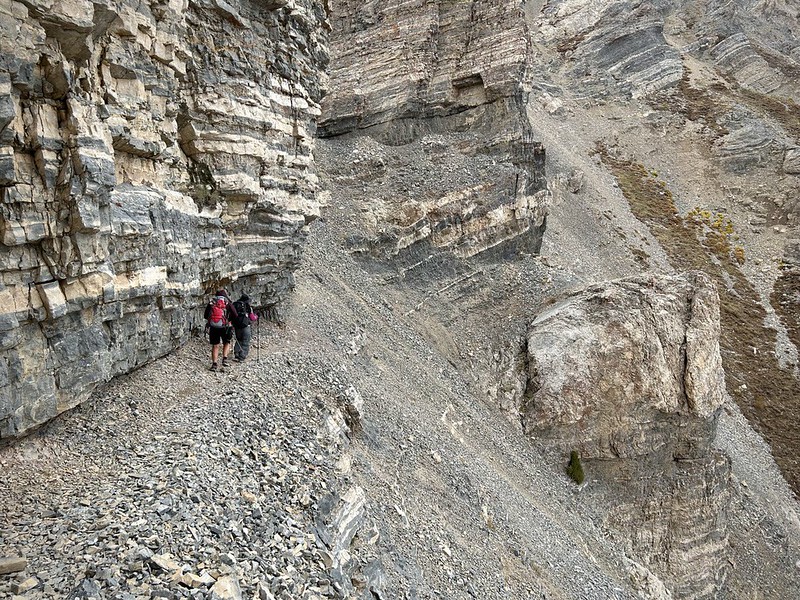
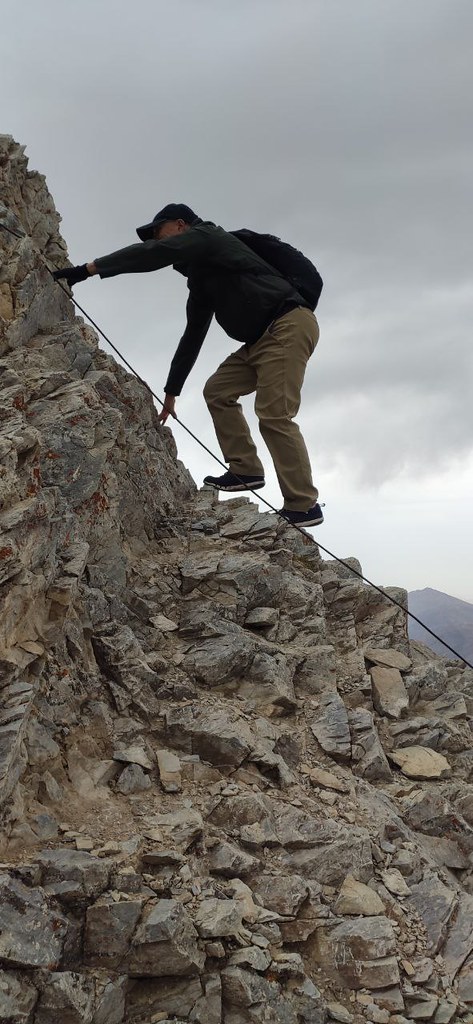
The last two kilometers is where it got rocky and interesting. Looking up at the peak, I couldn’t an easy route to the top. The guides led us on a windy route around huge outcroppings. We didn’t have to use ropes or crampons, but there were some technical sections that required using hands and feet to scramble over boulders. One section had a thick wire to assist climbers over a particularly steep cliff. I made it through without using the wire. I thank my yoga practice for my improved balance and flexibility.

Big Chimgan!

It felt so good to finally make it to the top and ring the bell! Yes, some masochist did carry up an iron kettle bell you can seein the photo above. It makes for a great photo opportunity, holding the weight, while at the peak. We had a second lunch at the top and admired the incredible views of the mountains. You could see the snow-capped peaks of Krygstan in the distance. It is a huge, undeveloped area of mountains stretching for miles and it would be fun to keep going and explore the canyons and peaks.

I look like a mountain climber!

Going back down for me was the hardest part. Because of the steepness of the trail and loose rock and gravel, it was very easy to slip and fall. Several of our party hit the ground. It was slow going for me as I didn’t want to incur and injury and slowly, we made it out of the rocky area and back to the tree line.

I would like to thank Katie for organizing the trip and my companions in the group who encouraged me to finish. We had a lot of laughs during our suffering and it made it more enjoyable. Would I do it again? Not anytime soon, but it would be good to try it in the spring or summer when it is a bit greener. It was a once in a lifetime experience and it was one of my big goals while I am living in Uzbekistan. Another of my goals is to circumnavigate the Charvak Reservoir by bicycle.

Heading Down from the peak – Charvak Reservoir in the distance

Family Journal: September 7, 2023

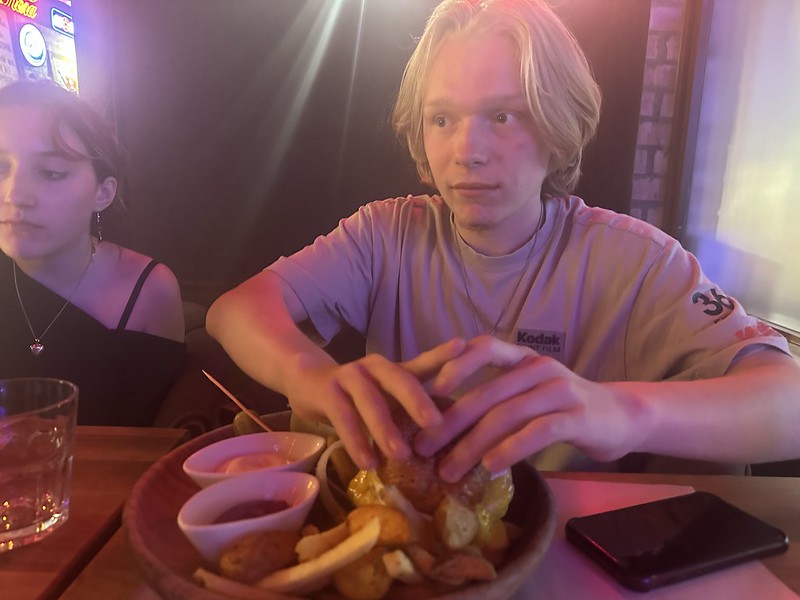
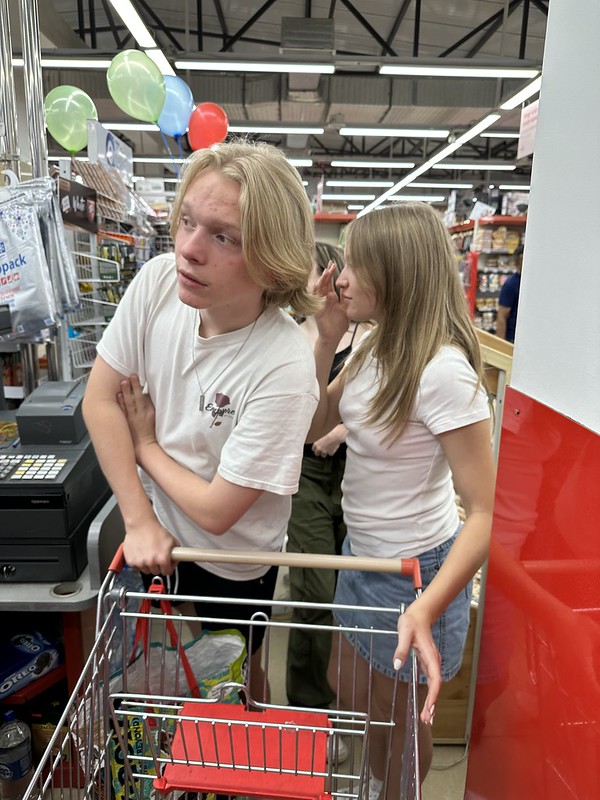
I had a nice time this week taking out Oliver, Ocean, and Oliver’s girlfriend Nicole. Nadia joined us earlier this week as we went to the Loft Cafe for burgers and fries. It was funny that we tried twice to have Indian food at the Curry House, and both times they were closed. Last night I took them shopping at Korzinka Supermarket. I always made a rule when they were little, that they get one “treat” each when we go grocery shopping. Even though they are 18 and 16, they still ask for that one treat still! Oliver and Ocean are masters at fudging the 1 treat rule and they sneak in a bit more.

It was the first day of school in Uzbekistan on Monday this week. They still follow the Russian traditions of bringing flowers to the teacher starting on the first Monday in September. Above you can see a mom with her daughter on the way to one of the local public schools. We live between two schools, one at each end of our block. The first-day tradition is to have the oldest and youngest students of the school “ring the bell” to kick off the school year.

I also had a nice plov lunch on Monday. We went to the Dunyo Restaurant. The business office staff invited me and our consultant, Jon. I love the camaraderie and good food and it is a fantastic cultural experience for people new to Uzbekistan. We had the Kashkadarya plov, which has horse sausage on top and brown oil. Delicious!

Yangi Nafas 10 Kilometer Race

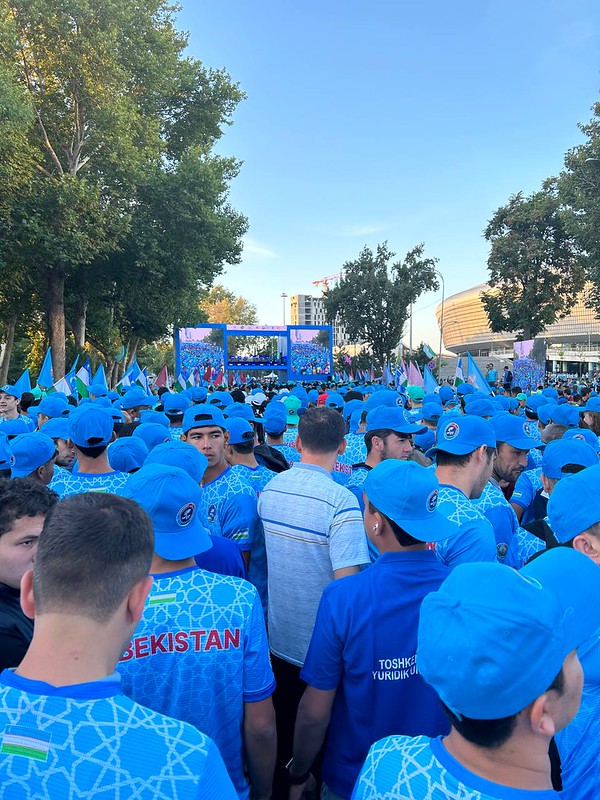
On Sunday I participated in the Yangi Nafas (New Breath) 10-kilometer race here in Tashkent. Yangi Nafas races were held in 16 cities around Uzbekistan to celebrate Independence Day. It is an appropriate name as Uzbekistan is a young country (32 years) and 60% of the population is under 20 years old. The Uzbek Athletics Federation used the slogan, “One country, one start, one distance, one goal – we run together”. I think mass races are a custom left over from the Soviet Union to celebrate anniversaries or big sporting events.

The race was well organized! It started on time (6:30 AM) and the course was well-marked with water stops along the way. It was a confetti start with an impressive Start/Finish arch. There were even cheerleaders at the halfway point and at the finish to lift the spirits of the runners. The course was a big L-shaped up and back through two of the widest boulevards in the city so it wasn’t the most exciting course, but it was flat, smooth with plenty of room.

I redeemed myself from my horrible run this summer in the Bass Festival by running a 50:51, cutting 9 minutes from my time. I know I can go under 50 minutes and my goal is to get to 45 minutes in a 10-kilometer. The next big race is in Samarkand in November, but not sure if I will go due to Oliver’s soccer.

Uzbekistan has a nice series of long-distance races throughout the year. Anchored by big races such as the Bukhara night race in August, Samarkand in November, Tashkent in March, and Zaamin in June , a runner can always have something to train for. There are also smaller runs like the Yangi Nafas, and there are also big races in Astana, Almaty, Bishkek, and neighboring Central Asian countries.

Family Journal: September 1, 2023

Nadia and Obi

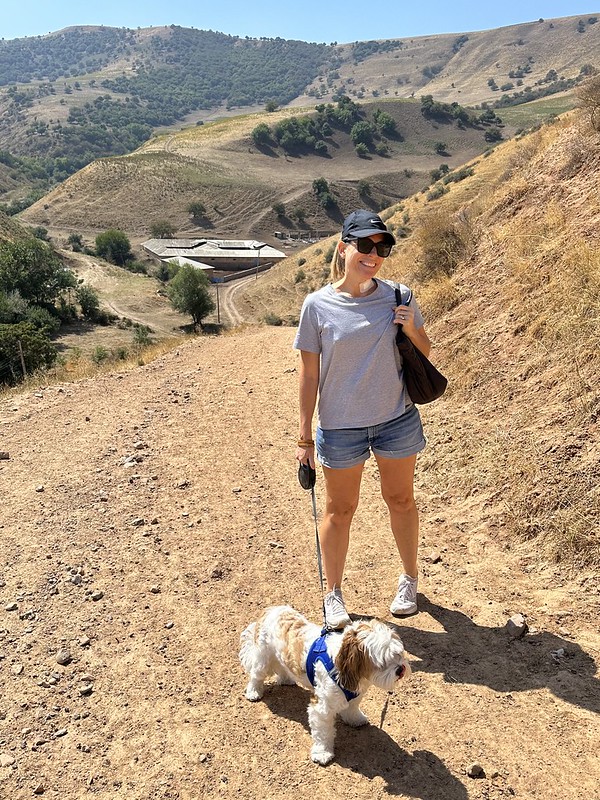
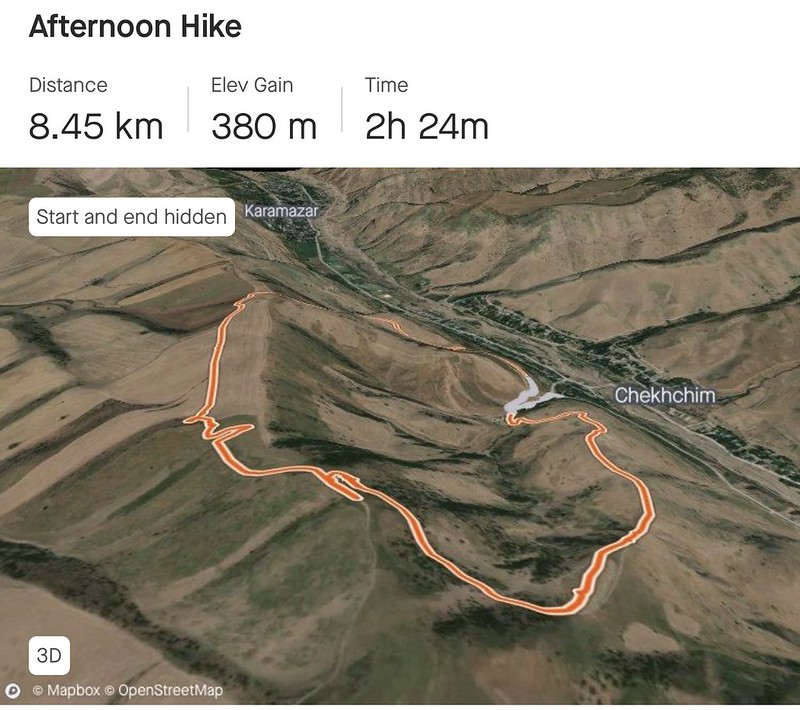
Nadia, Obi, and I celebrated Uzbekistan Independence Day (September 1) by enjoying the best of Uzbekistan, the mountains! Led by our friend Aaron, we did a 5-mile hike in the foothills between Gazelkent and Chirchiq. It was a cool and sunny day and an absolutely perfect way to spend a free Friday.

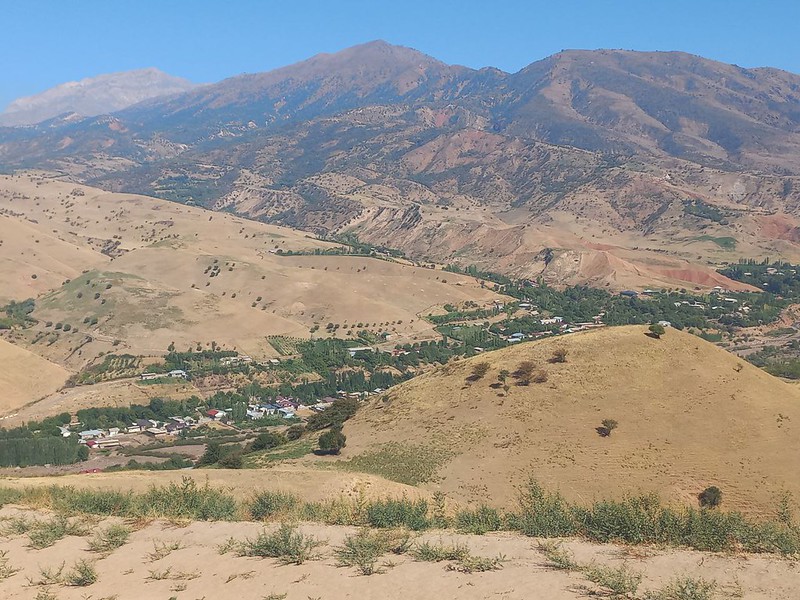
We drove to the village of Chekhchim which is located about 60 kilometers from Tashkent. It is next to the Aksakatasay River. There is a trail that leads up the hills and we did a loop around a valley. It looked a bit like southern California because of the long, hot summer has dried out all vegetation. It was a bit of a dusty walk, but the cool breeze and blue skies kept our spirits up. Nadia is still recovering from a very bad virus and struggled a bit on the long, steep incline to the ridge. Once we were at the top, we stopped for lunch and watched the cowboys guide their herds of sheep to different pastures. There is always lots of livestock in Central Asia.

It is just so nice to get out of the city and between the distance and elevation, it was a good workout. It is a sign of our stage of life that we couldn’t get Oliver and Ocean to come with us. Both of them preferred either soccer with their friends or going out in the city. It was a preview of us as empty nesters. 😦 I want to thank Aaron for guiding us and finding this beautiful spot.

I noticed if you drive further up the valley, you can possibly reach the huge valley behind the Amirsoy Ski Resort. We could see the gondolas in the far distance on the hike. I’ve looked over that valley while on the top of Amirsoy, and it looks remote and beautiful. Perhaps next time I am in the mountains, I’ll make it to that valley.

We finished the day by going out to the Afsona restaurant. The salads and shashlik (grilled, skewered meats) were delicious and it was a perfect way to end the day.

View of Chimgan from the top of the ridge

Family Journal: August 30, 2023

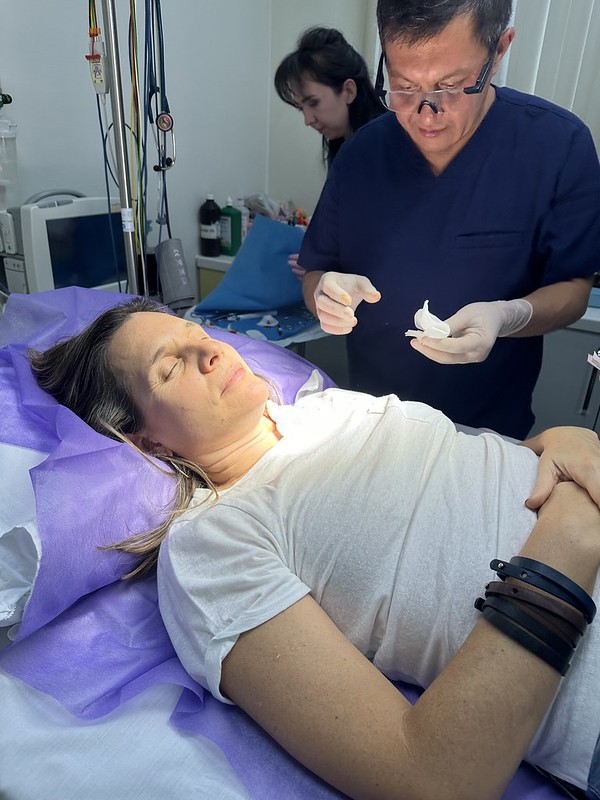
Dr. Inom cuts a mole out

There was unseasonably cool and overcast weather this week as August 2023 came to an end. Tashkent has a Mediterranean climate and August and September are usually dry, sunny, and hot. I was able to wear a tie at school and we enjoyed outdoor dinners at home the week. My wife Nadia had an atypia-classified mole removed from her neck. The Tashkent International Clinic right next door to the school is like our own personal medical clinic. Dr. Inom is our family doctor and he always calms Nadia. She is recovering and also feeling better after having a long, strong cold for the past couple of weeks.

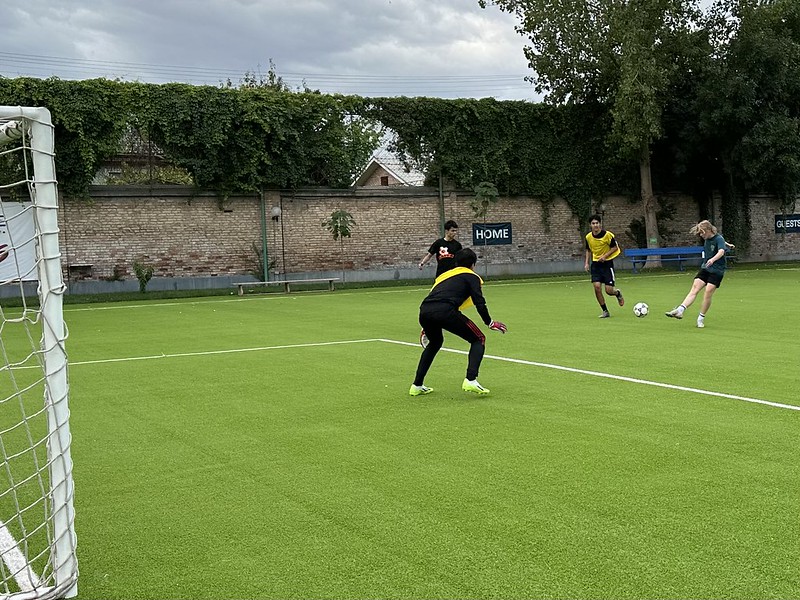
Oliver Shoots on Goal

Both Oliver and Ocean started their soccer seasons this week. I drove Oliver to school on Monday and watched a bit of his practice before classes started. Our school plays 7-man soccer due to the small sizes of the schools in Central Asia. Oliver looked good and is rapidly improving his game. They have a new coach this year but the team returns many of its key players from last year. They should have a successful season. I am soaking up any opportunity to spend time with him this year.

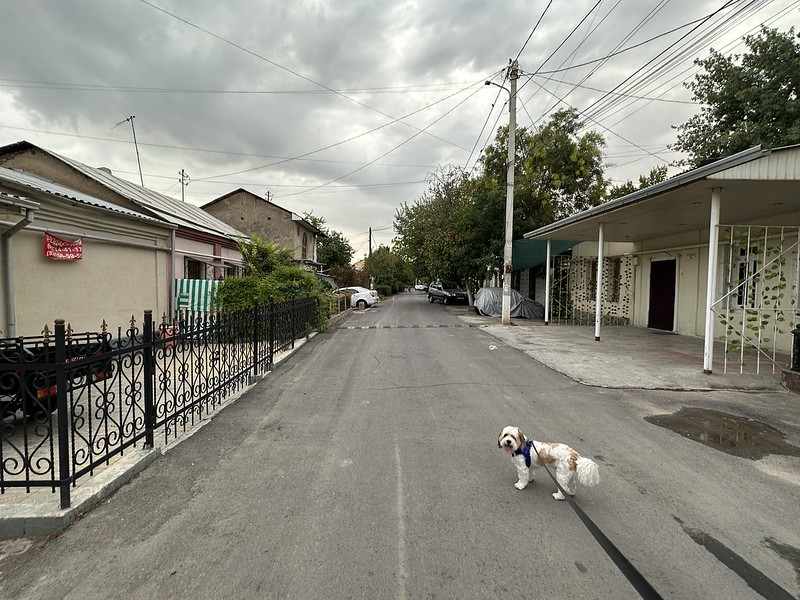
I love my dog Obi and he loved the cool weather this week. He does not do well in the heat. I like the narrow streets of the neighborhoods of Tashkent, a holdover from pre-Soviet times. The Russians preferred wide boulevards and they are common in our section of the city, Mirabad. Above are some photos of our walks this week.

We have a long weekend to celebrate Uzbekistan’s independence. I registered for a 10-kilometer run on Sunday. I hope my calf does not tighten. I went for a run a couple of nights ago and experienced tightness in my left calf at the 7-kilometer mark. I’ll see how it goes.