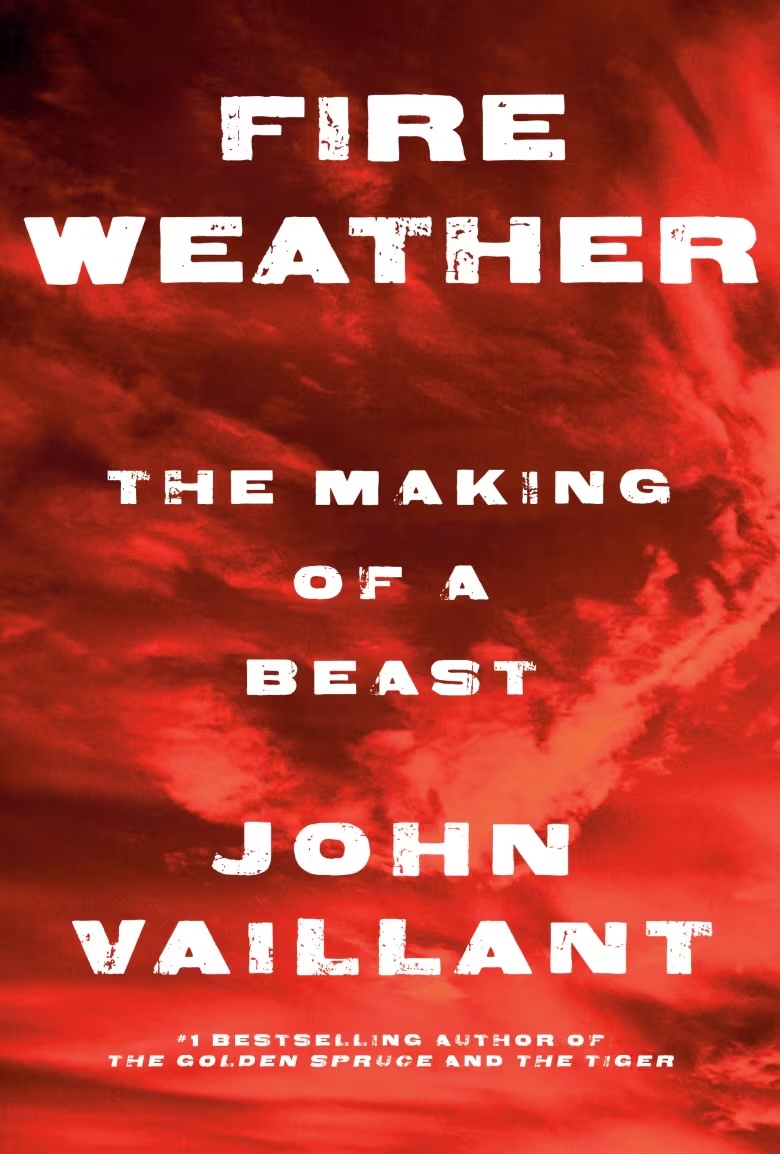
ohn Valiant reports on the May 2016 forest fire that burned the northern Alberta city of Fort McMurray. The remote north Canadian town is located near the Athabasca oil sands. The town serves the petroleum industry. The wildfire destroyed 2,500 homes and buildings and 88,000 needed to evacuate. The fire burned forest the size of Delaware and it took four years for fire fighters to put it out. Valiant tells the story of the history of northern Alberta and the development of the town. I lived in Venezuela for six years and understand the petroleum industry well. It is a typical oil town, going through periodic booms and busts, depending on the cost of a barrel of oil. Fort McMurray petroleum however is different from most areas due to the difficulty and high cost of extracting usable petroleum products from basically sandy bitumen, or as Americans call it, asphalt.
The ecology of the boreal forest depends on naturally occurring wildfires to renew life in the vast forests. The boreal forest in North America ranges from Alaska, through Canada down to my region of the upper Great Lakes in Minnesota, Wisconsin, and Michigan. Trees like Black Spruce have combustible resin and fire occurs every 60 to 150 years, the fires clear thick understory of mosses, lichens, and shrubs. They usually occur in the spring and summer. Seed cones of the spruce trees need fire for germination and 5-10 years after a fire, a new generation of spruce seedlings rise up. The problem is climate change due to increased levels of CO2 in the atmosphere are causing longer and dryer summers. The intensity of wildfires is increasing. I remember two summers ago the skies of the Upper Peninsula of Michigan were hazy when we arrived in June due to Canadian wildfires.
The Fort McMurray Fire of 2016 was particularly intense and as Valiant points out, we should expect to see more of them in the coming decades. Humans don’t think about the cost of convenient fossil fuels transporting us around the globe and around town, hot showers, air conditioning, etc. We are not slowing down our rate of burning fossil fuels and the increasing CO2 content of the atmosphere is greatly altering our planet’s weather. Valiant gives a good history of climate change science. We have known that more CO2 and other byproducts of burning petroleum products causes temperatures to rise since the 19th century and the first oil wells. Humans have a hard time seeing gradual processeses impacting our long-term future. Fire management officials of the province underestimated the intensity and speed of the fire, much in part of not taking into account global warming. The ultra-dry forest bed, high winds, and low humidity were the perfect conditions for a mega wildfire. Incredibly everyone escaped (barely) but millions of dollars of property were lost. This is amazing as Valiant described bumper to bumper traffic going through flames and smoke on both sides of the only road out of town. I am sure the insurance companies will think twice about covering homes in the region in the future. .
Other things I took away from the book:
- I sympathize with the government official who has to decide to evacuate a city. He must have been under intense pressure, especially considering the impact on the petroleum industry where millions of dollars are lost daily if they need to shut down. I feel this a bit when deciding if we should close school when it is snowing. It is a much less intense level, but people’s lives are altered greatly if the kids need to stay home. I have to go with my best judgment with the data I have at the time to act in the best interest of the students. People may complain and it is easy to when you are not the person in the role of making the decision. It was a reminder to me not to bow to pressure.
- Lucretius Problem – This concept applies to risk management. When assessing risk, people look to the past for worst-case scenarios to predict future scenarios. It is natural to think that it is good to use past events to predict future events. What could be the worst thing that can happen? The “problem” is that disaster or “worst case” in the past, surpassed a previous “worst case” event. That means in the future, another more serious event could surpass anything that has happened previously. The idea is named after the Roman poetic philosopher Lucretius who wrote “a fool believes the tallest mountain in the world is the tallest mountain he has seen.” In other words, often we are limited by our own personal experience when assessing risk. Officials in Fort McMurray never experienced a wildfire as fierce as the one they encountered in May of 2016, hence they didn’t expect it to rip through the town.
- I come back to the “WUI” (rhymes with phooey) the Wild-Urban Interface. Modern sensibilities love this idea of having a house in the woods. “Hiking trails out the back door” and in the past 30 years, a third of American and half of Canadian homes are right in the WUI. Early settlers to America understood the safety of clearing forest around dwellings. I wonder if climate change will reverse this trend and more people moving back into towns and cities instead of having their 1-2 acres of forest around their house. I value connection with others over privacy and think more North Americans would be happier to be closer to neighbors and having a stronger sense of community.
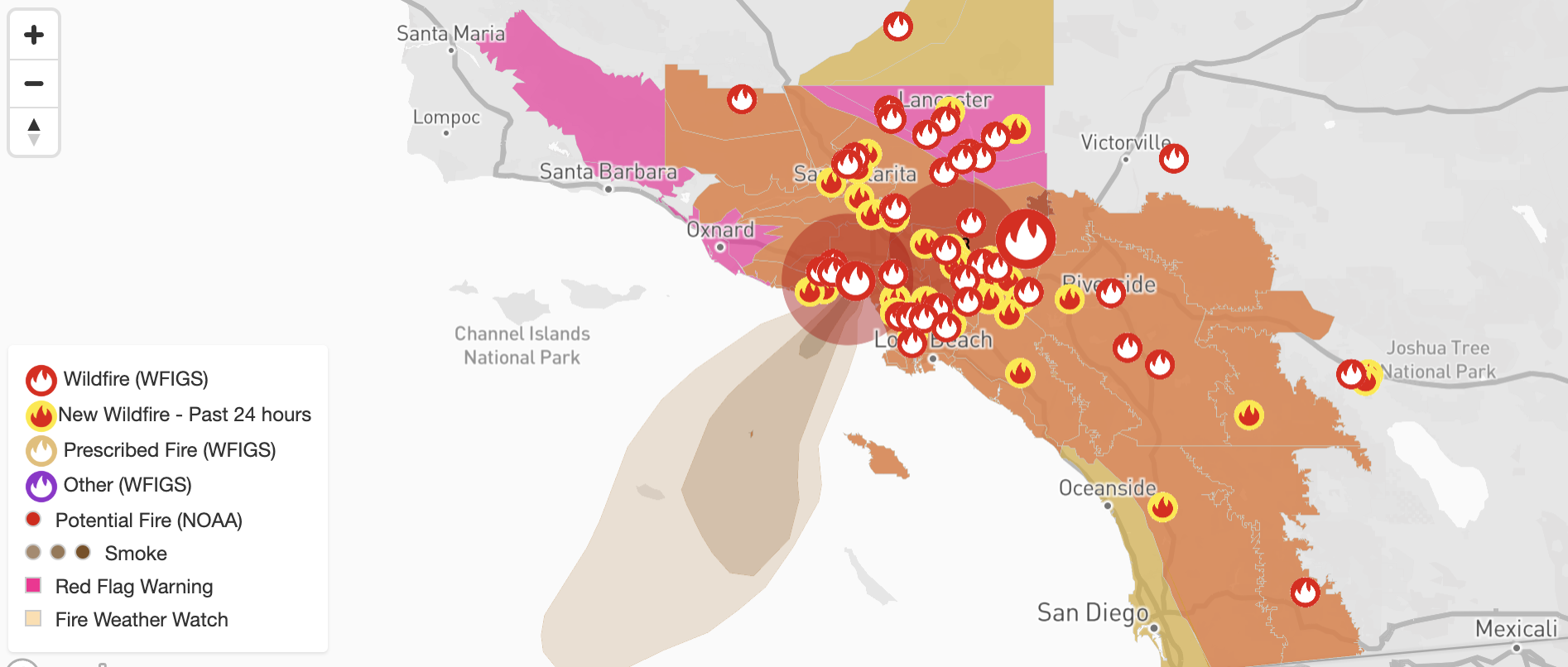
As I finish this book, I am watching scenes of the wildfires in Los Angeles county. With hotter, drier conditions, more intense wildfires will take place. Besides the boreal forests, Australia, California, Spain, Italy, and many other locales around the world experience periodic wildfires.These will be more common in the coming years.
 Bill's Blog