
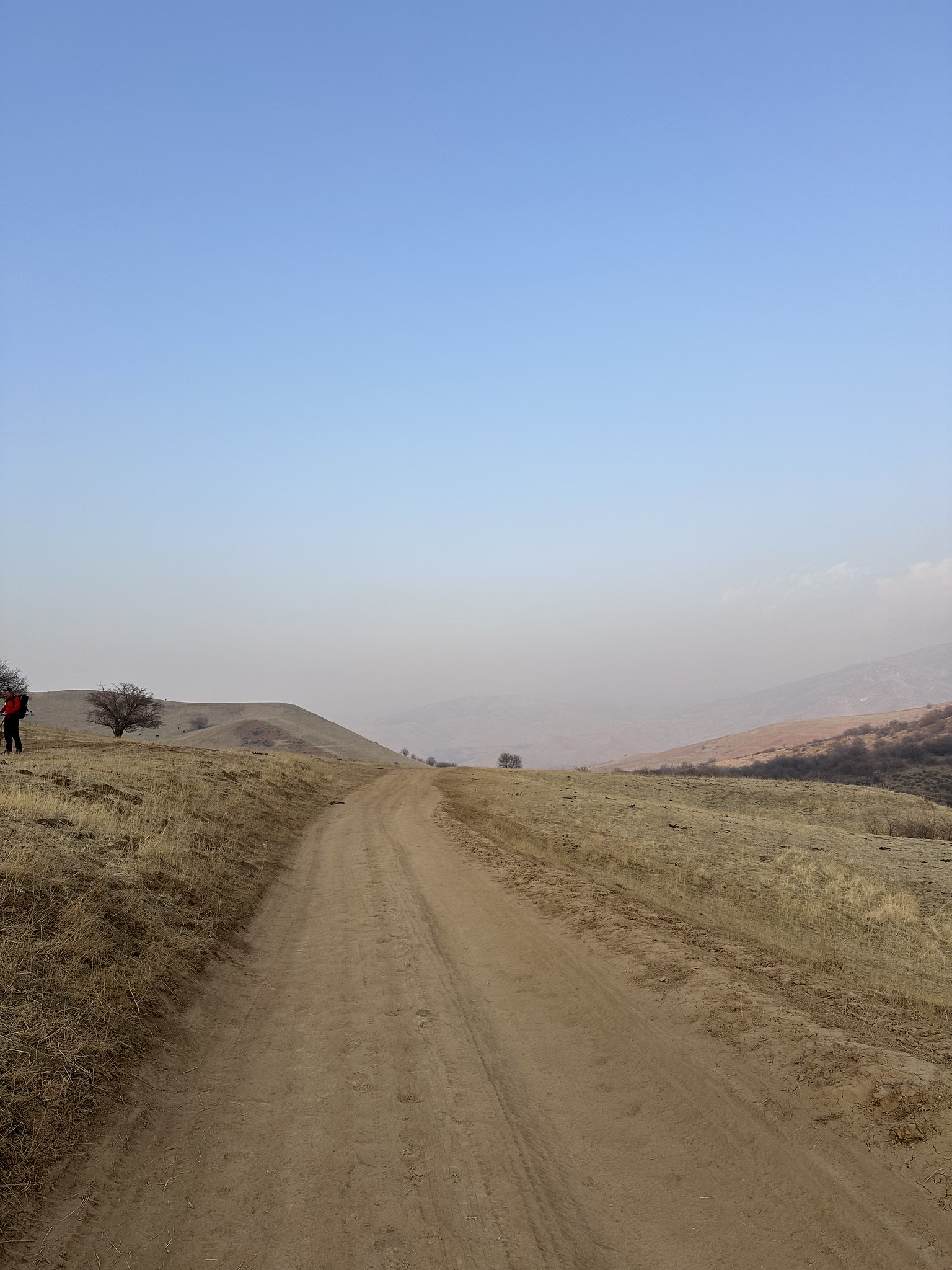
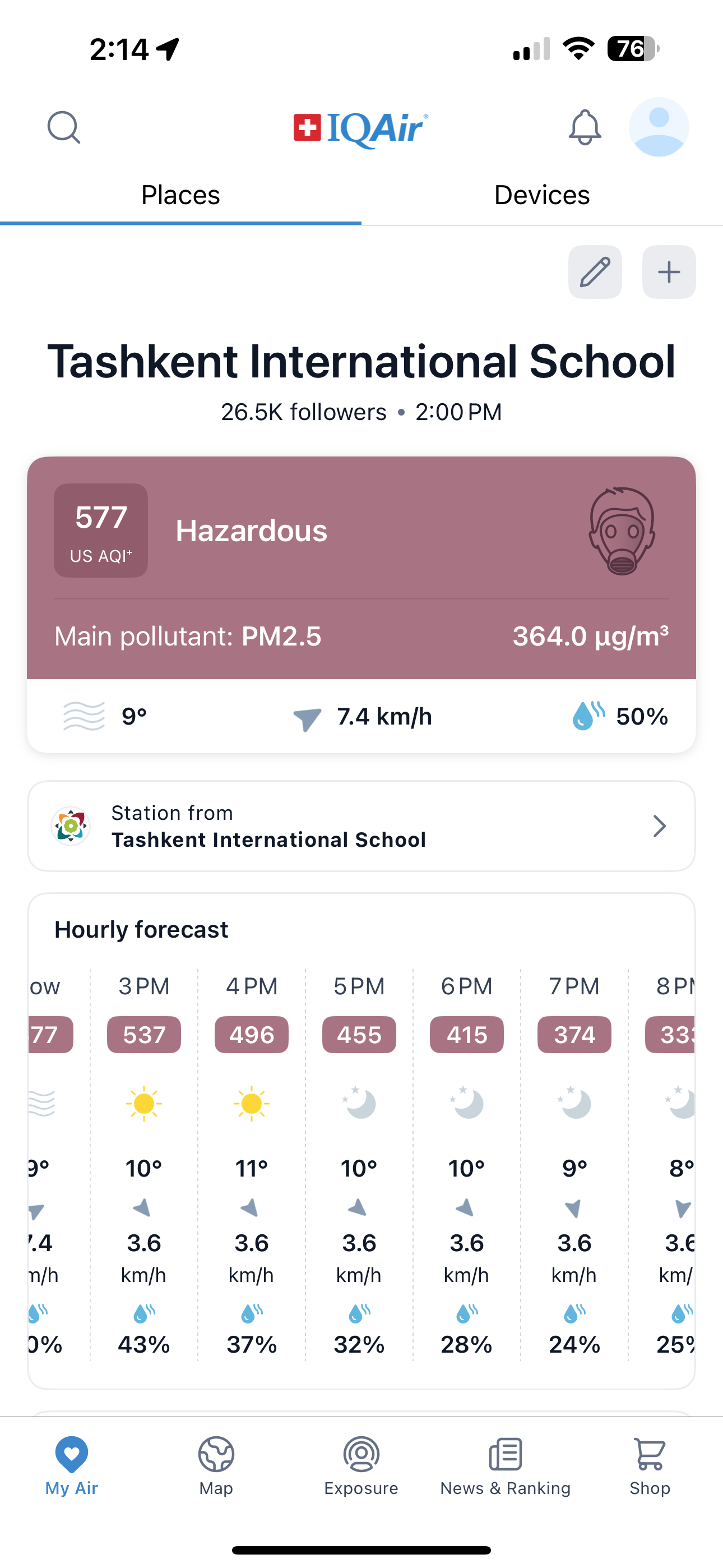
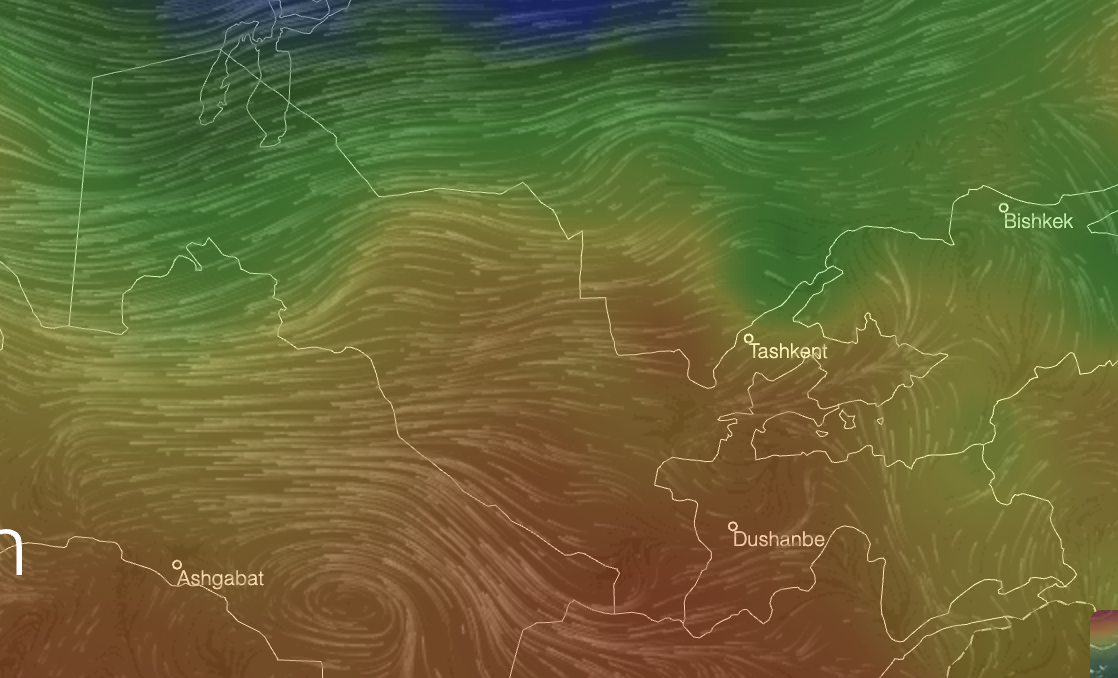
As I write this blog post this morning, Tashkent finally has an AQI PM2.5 of 112, which is considered “Unhealthy for Sensitive Groups. It is the first time in that I woke up to an AQI under 150 in the last two weeks. In fact, two days ago, the AQI reached over 600 overnight. I captured the screenshot below of the monitor at our school, which reached a 577 AQI in the afternoon (bottom left). To the bottom right is the IQAir Earth Live Air map from this morning. I went for a hike on Sunday in the mountains and even at elevation, there was a haze in the air. It was much lighter than in the city, but as you can see in the photo above, there is a distinct zone where the haze can be seen, and blue skies start to appear.
The government seems to be taking the right steps by converting greenhouses to natural gas, inspecting construction sites, mandating 20% green areas for developers, installing fountains throughout the city to increase humidity, etc. We have not historically been one of the most polluted cities in the world. Tashkent is ranked #22 today between Phnom Penh and Skopje. Between 2017 and 2024, Tashkent was ranked the 510th most polluted city in the world.
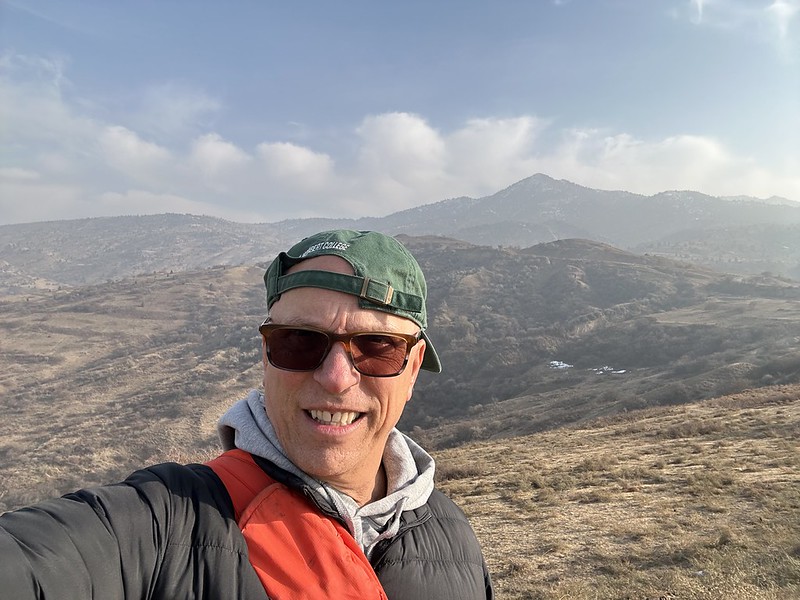
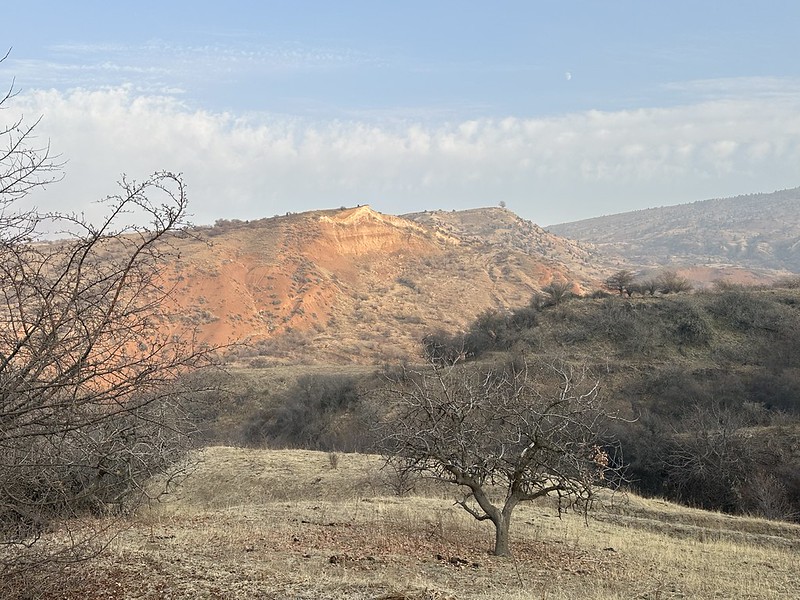
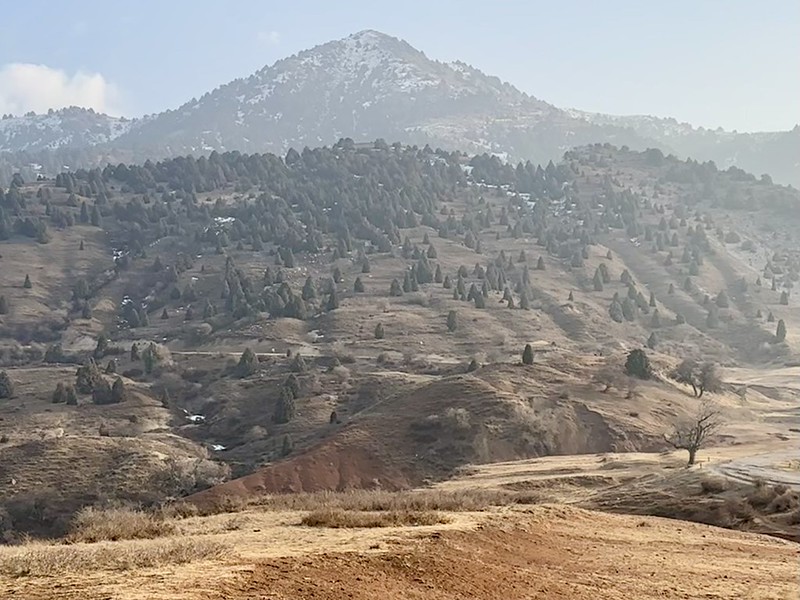
It felt great to finally walk outside after being stuck indoors most of last week. My friend Aaron and I explored a canyon near the Kumbel Weather Station, a former Soviet facility. Next time I go there, I will drive just below the station and then continue up higher into the juniper forests and get into the snowline. Beautiful views and exercise are always rejuvenating for me.
 Bill's Blog