
Nadia and visiting Pangyo, South Korea, in September was my fifth visit to South Korea. When we lived in Japan, I attended twice for head of school meetings (Busan, Pangyo) and twice as a family while we were in transit, leaving Japan.
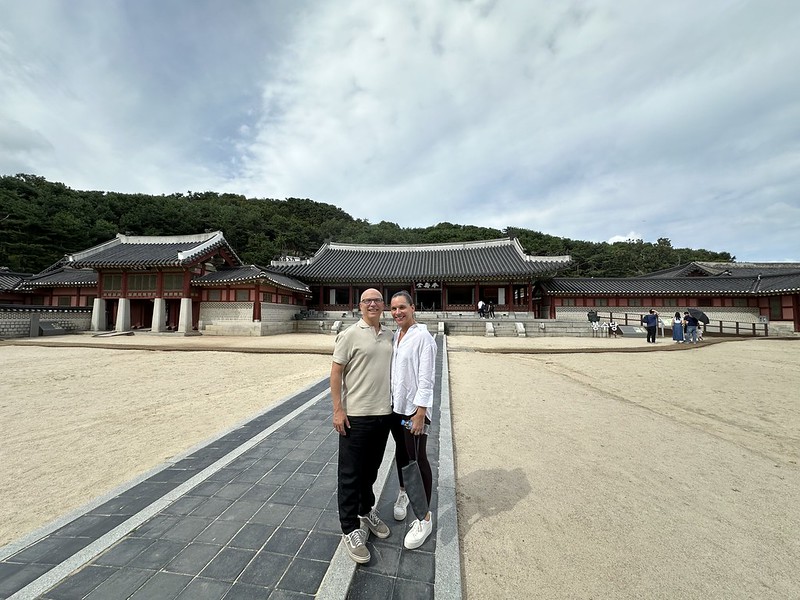
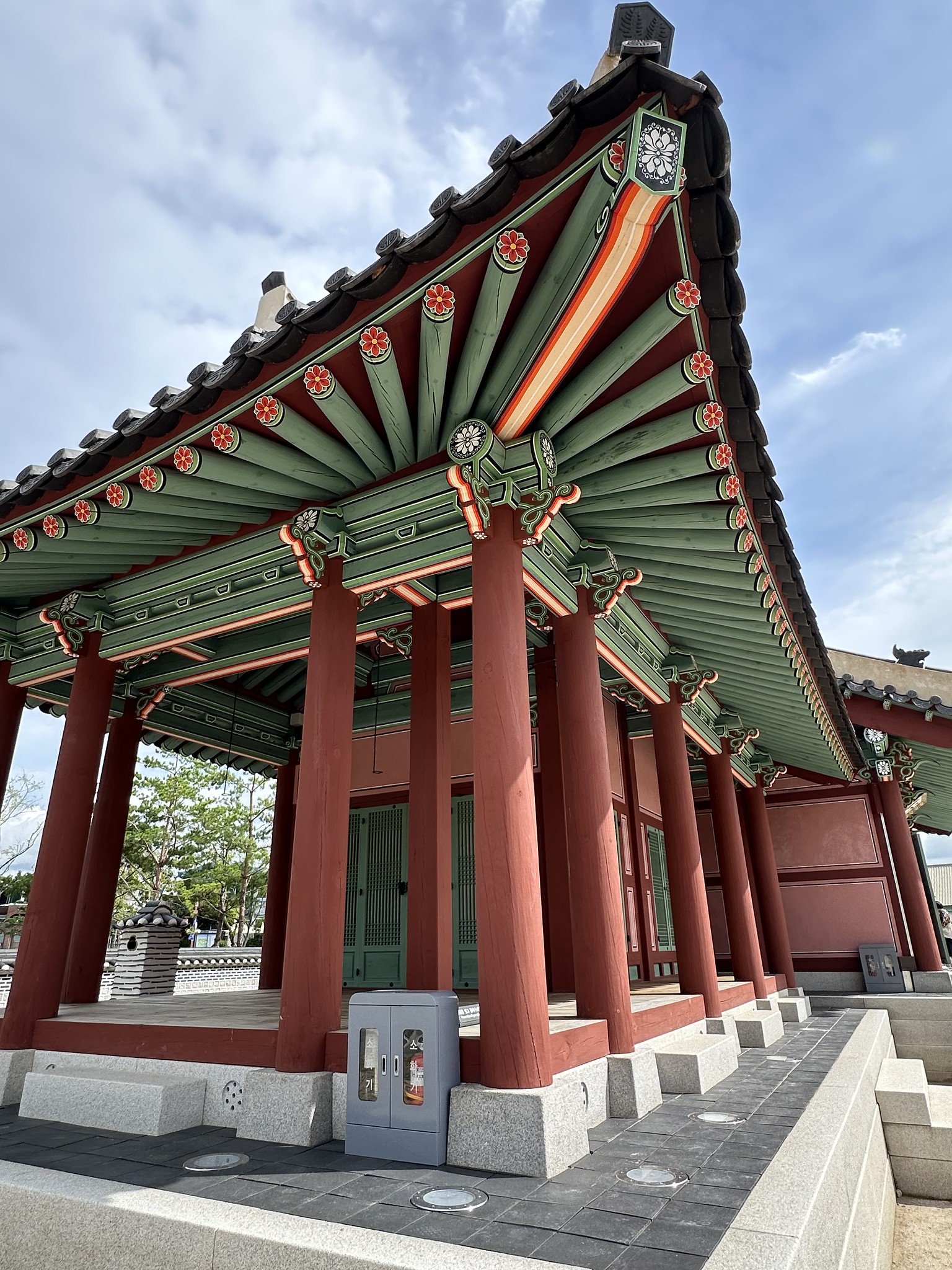
Our hosts took us to visit the city of Suwon (수원), 30 kilometers south of Seoul, to see both the modern and ancient sites of the famous city. As you can see in the photo above, the Hwaseong Haenggung Palace (화성행궁) is a UNESCO World Heritage Site built in the late 1790s by King Jeongjo of the Joseon Dynasty. It was a temporary palace used when he visited Suwon to pay respects to his father’s tomb. He planned to move the capital to Suwon, but did not accomplish it. The Japanese destroyed the site when they occupied Korea. Local officials painstakingly reconstructed the site to its original glory. It reminded us of a smaller version of the Forbidden City in Beijing. That makes sense since the Joseon Dynasty (1392-1897) governance was based on Neo-Confucion principles, including “rigourous civil service examinations”. I guess over 500 years of this shaped the exam and competitive academic environment of South Korea today.
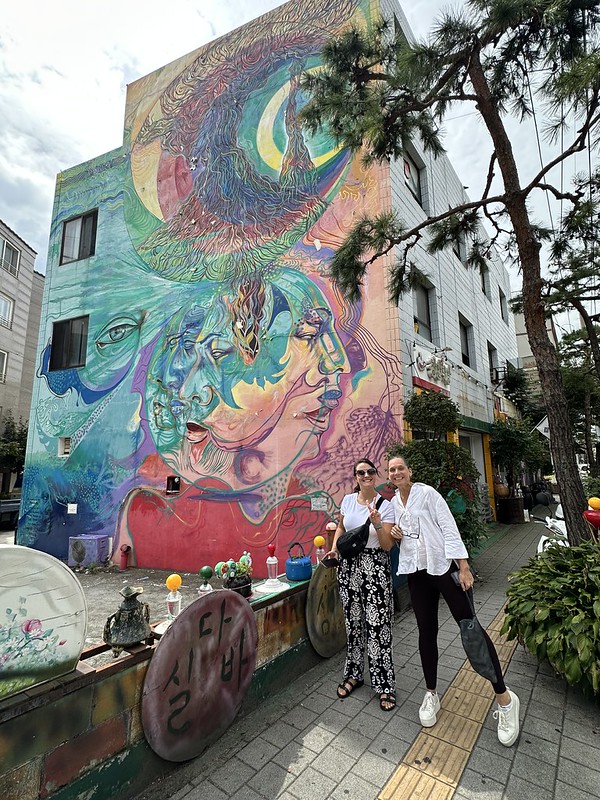
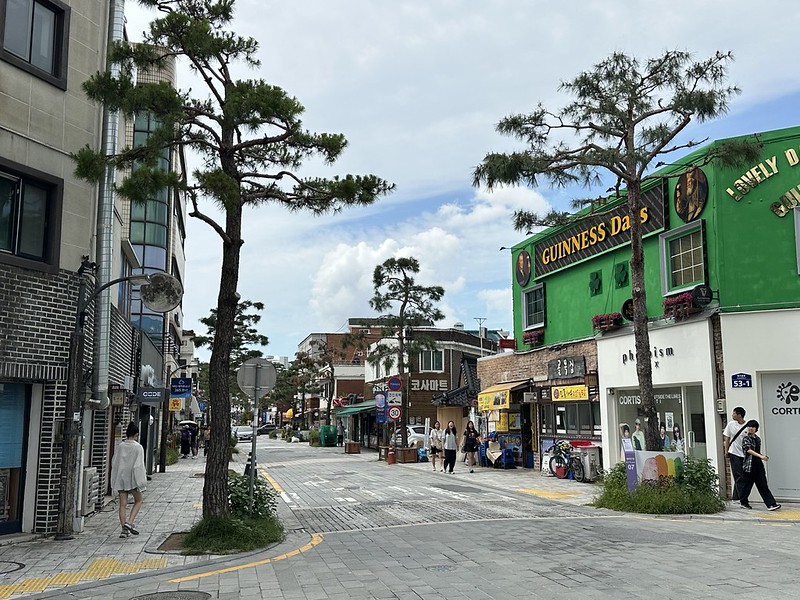
We watched actors in traditional Korean clothing perform a martial arts dance for tourists. I also played the traditional game of Yut Nori (윷놀이) as an homage to Squid Games. As you can see from the video below, I would have been eliminated. Today, the city of Suwon is home to the Samsung Headquarters and 1.2 million people. We went for lunch and a coffee in the artsy and cute city streets near the fortress. Again, it felt similar to Japan in tourist area and we didn’t see many foreign visitors. I wish we had more time to explore some of the hiking trails to the nearby mountain peaks.
I am not sure when the next time I’ll get to visit the country. With so many Koreans in Tashkent, I follow the country closely due to my friends and school community members.
 Bill's Blog