Latest Reading: The Way of Strangers: Encounters with the Islamic State

I am always amazed with digital books that they track how much time one spends reading a book. I borrowed this book from the Great Lakes Digital Library after listening to Sam Harris interview Graeme Wood about recent events in Gaza and Israel. I often read in the evenings to put my mind at ease and despite the heavy content of this particular book, it did do the trick. I didn’t realize that I spent over 8 hours reading the book over the past two weeks.

I liked Graeme Wood’s book because it focused on the theology of the Islamic State instead of the politics or violence that other journalists focus on when writing about them. The Islamic State formed a caliphate or an independent, Islamic-based government in Syria and Iraq from 2014 to 2019. They were known by several names, ISIS, ISIL, etc. but Wood calls them the Islamic State. They are basically messianic zealots. Wood, a staff writer for the Atlantic and political science professor at George Washington University, interviewed many members of IS to understand their beliefs and interpretation of the Koran and Islam.

IS is a slim minority of the religion of Islam that focuses on literal interpretations of the Koran and the life of the Prophet Mohammed. They ignore the thousands of scholars and writers who have refined the faith and go back to the Koran. They bring the values, beliefs, and cultural mores of the Arabian Peninsula of 700 AD (when Islam was founded) into today’s world. Wood interviewed IS supporters and believers from England, Australia, Egypt, etc., and studied the publications of IS and the speeches of its leaders. He gives the reader a detailed worldview from the perspective of the Islamic State.

I am more familiar with Christian fundamentalists, who talk about the apocalypse and the second coming of Jesus like it is going to happen any day now. IS believes that by establishing a caliphate with a leader from the specific Arabian tribe mentioned in the Koran, they are starting the events that will lead to the end of the world. Their goal was to conquer as much of the world as possible by expanding their caliphate through violent means. I learned a lot about the establishment of Islam and their beliefs by reading this book. I didn’t know that in an Islamic version of the apocalypse, the Christian Jesus also comes back to earth to lead a small fighting force of Muslims against the anti-Christ (Al-Masih ad-Dajjal). Another aspect of IS that I didn’t realize is that they believed that most other sects within Islam were also apostates, besides non-Muslims. They took pride in being “strange” and a minority of the faith, believing they were right and everyone else was wrong.

The Islamic State has a harsh justice system and the author shared a table of offenses and corresponding punishments in the book. The Koran mentions drinking wine but not murder and advises punishments to be public, hence the internet executions shared by IS.

drinking wine/slanderDeath
homosexualitypush off building
non-Muslim get stoning; Muslim -100 lashes, banished 1 year80 lashes
fornication non-Muslim get stoned; Muslim -100 lashes, banished for 1 year

Other things I learned from the book.

  • Islam, unlike Christianity or Hinduism, encourages its followers to seek a reflection of their faith in the authority of the state. In contrast, America was founded on the principle of the separation of church and state.
  • I wondered why having a dog for a pet is not popular with Uzbeks and Muslims in general. One of the interviewees quoted a hadith (collected sayings and actions of Muhammad) “If a dog drinks from your bowl, then you must wash it seven times.” Many Muslims interpret this to mean dogs are unclean.
  • solipsism definition – the self is the only reality
  • Like in Christianity, there are different interpretations of religious doctrine; Wood pointed out that a literalist, conservative reading of Islamic texts can yield to nonviolence as well as violence.
  • Osama Bin Laden considered the Americans to be the modern Mongols.
  • Wood’s opinion is that Islam is not Christianity on a five-hundred-year time delay. The Reformation that took place with Christianity is not necessarily the path Islam will take.
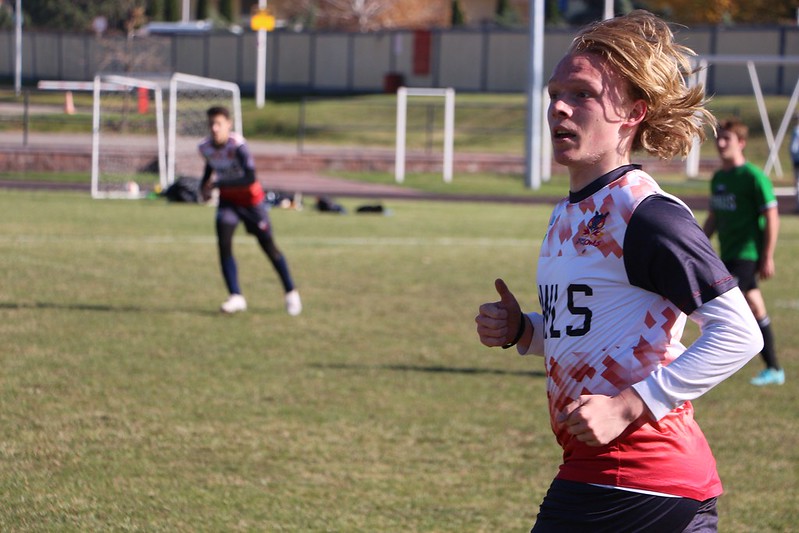
CAFA Soccer Tournament

Oliver in the semifinal game vs. Tien Shan International School

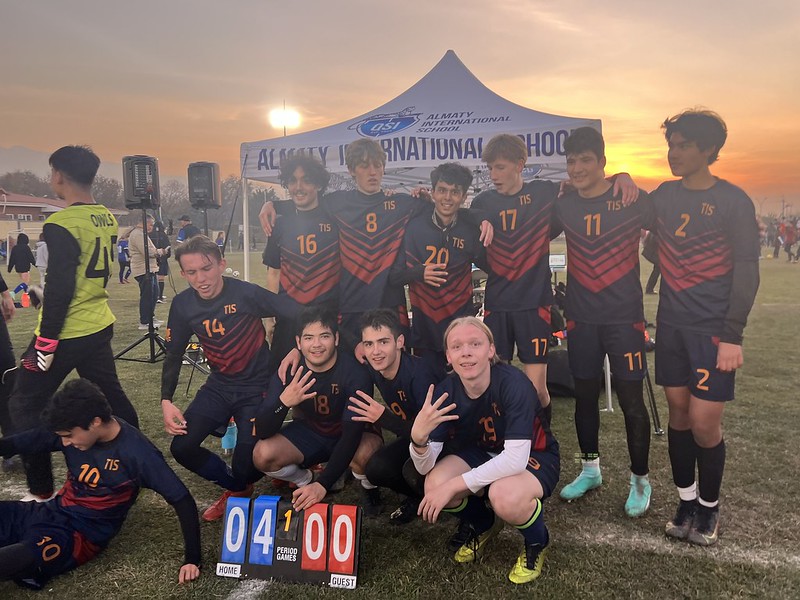
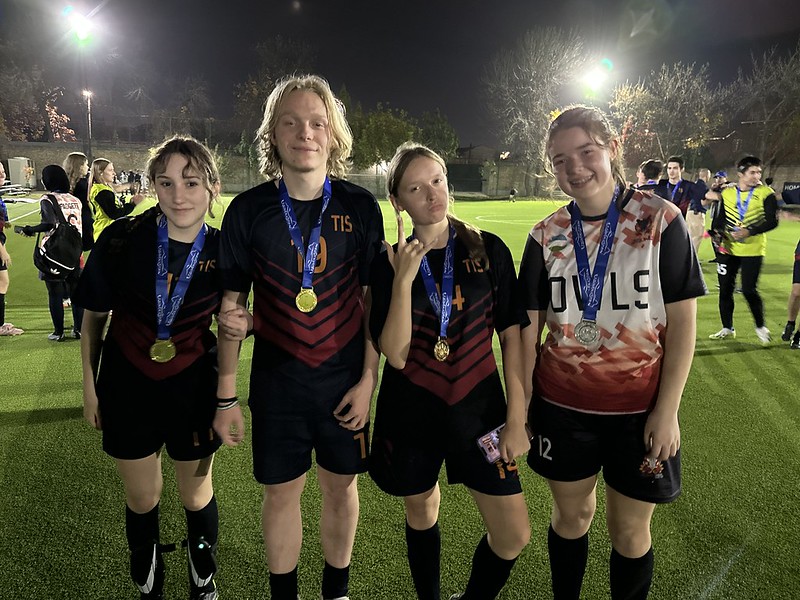
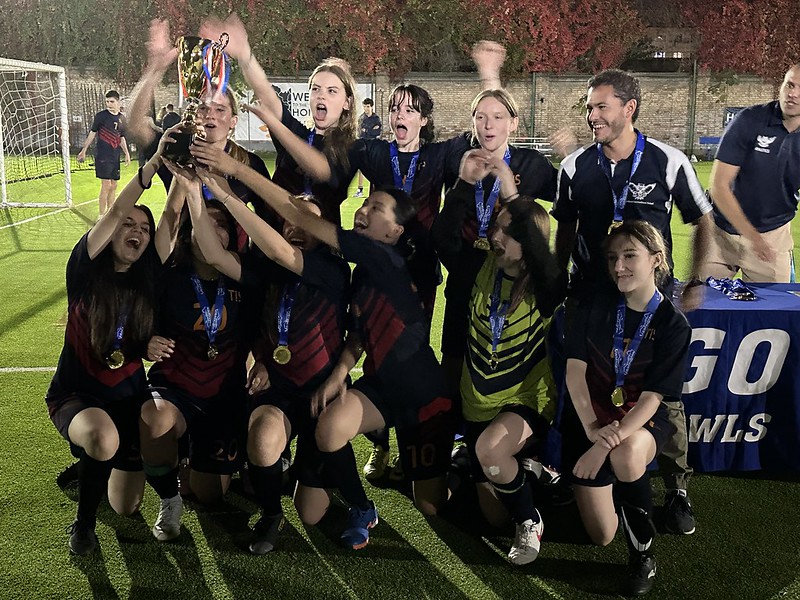
Oliver and Ocean completed their soccer seasons last week at the Central Asian Federation of Athletics (CAFA) championship in Almaty, Kazakhstan. Nadia and I flew up on Friday evening to watch the semifinals and finals on Saturday, November 4. It was quite emotional for us, especially as this was Oliver’s last high school soccer games. The varsity boys went undefeated on their way to winning the championship. Ocean’s team tied their consolation game to finish third.

Oliver’s team, the Tashkent International School Owls defeated the Tien Shan International School of Almaty, 4-1 in the semifinals. We were fortunate to see Oliver score a goal in the game. (video above)

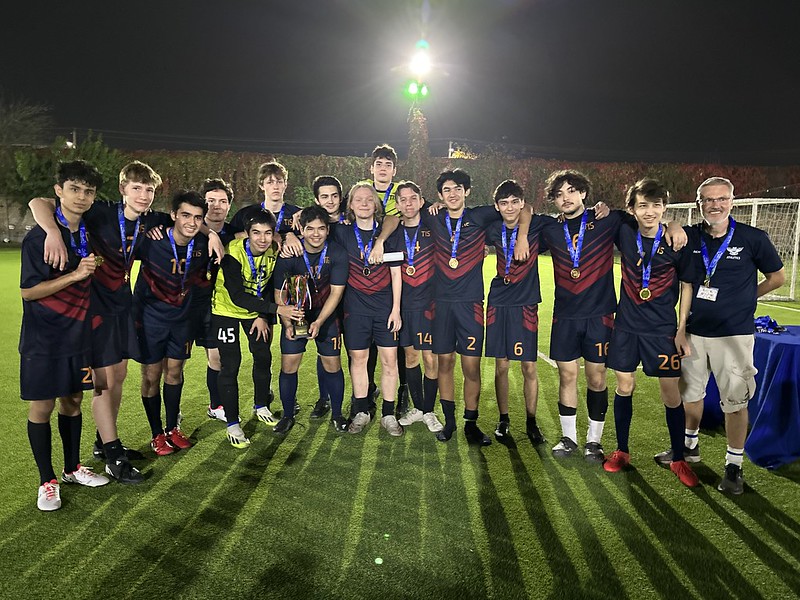
Muhamed, Tristan, Abdul Aziz, Simyon, Oliver (front row) Fayad, Thomas, Rocky, Alexis, Ibrohim, Santiago (back road)

In his final game against Haileybury Astana International School, his team won 3-2 and took home the trophy. Oliver played in the second half and it was the culmination of his scholastic sports career. Nadia was crying and I was proud of his accomplishments as a player. Oliver developed a passion for the game and it is one of the things we share.
Ocean’s team lost the semifinal game to the host school, QSI Almaty International School. This is Ocean’s first season of soccer and as a grade 10 student, surprisingly, she is one of the best players. She is learning the game but her athleticism(thanks, Nadia!) allows her to stand out. As she plays more, she will be a better player and I see her eventually playing striker and scoring a lot of goals.

Mom and Ocean

In the consolation match, the girls scored a late goal to tie the game, 1-1. Ocean made her penalty kick (above). Because of a technical error by a referee, allowing a player to kick before blowing the whistle, officials called it a tie, and the TIS Owls finished third place.

Tanzania! My first trip to Africa

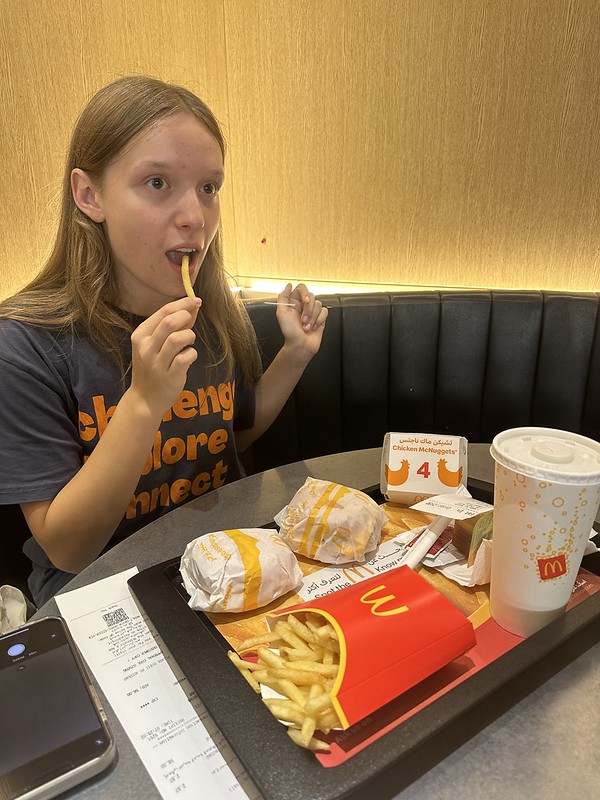
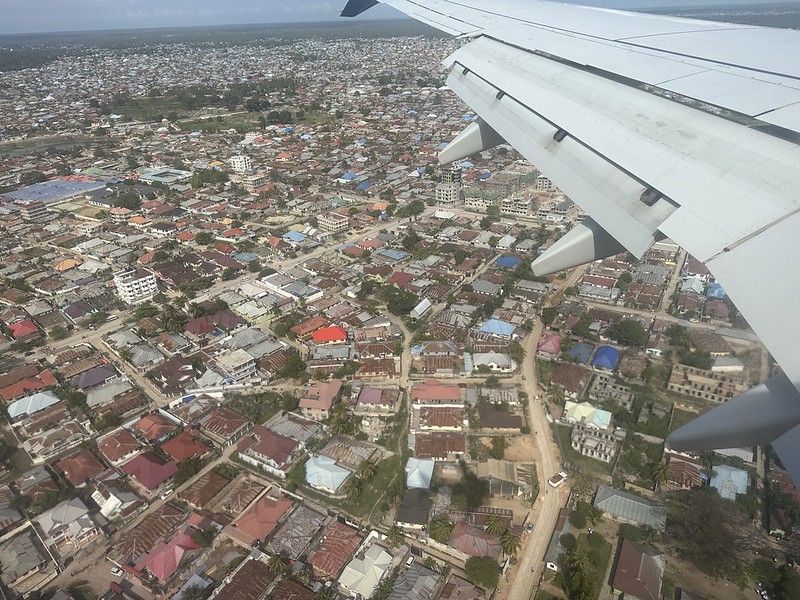
Over the Fall Break, Ocean and I visited Tanzania as part of the TIS Adventure Program. Ocean became a PADI Certified Diver at the Fish Eagle Point Resort and Nature Center. We also went on a safari in the Mkomazi National Park. It was my first time on the continent of Africa and Tanzania is country #69 on my life list of countries visited. We had a trip of a lifetime! We flew from Tashkent to Zanzibar, with a connection in Dubai. From Zanzibar we took a short flight to the mainland capital of Dar Es Salaam. From there, we drove north to the city of Tanga and out to the peninsula owned by Fish Eagle Point Resort. It was nice to stop in Dubai. Ocean and I had McDonald’s and Starbucks and I was able to buy a power cord for my camera.

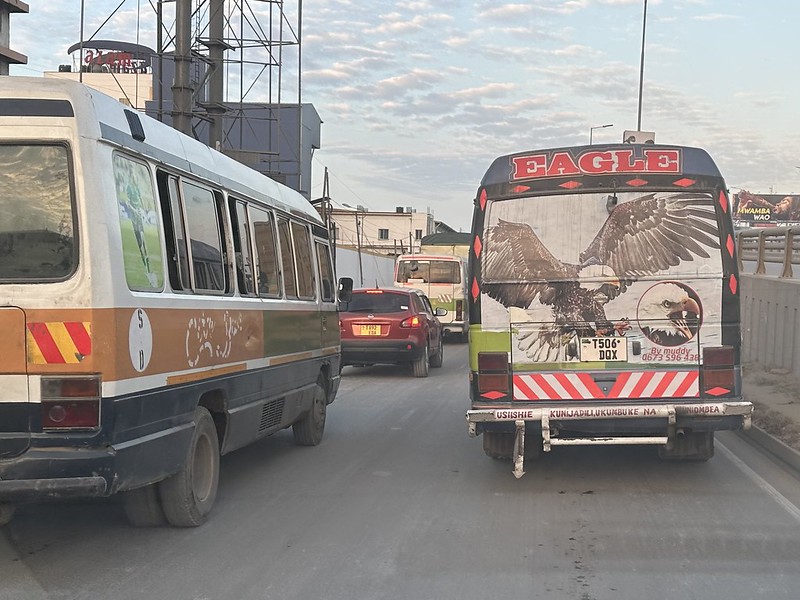
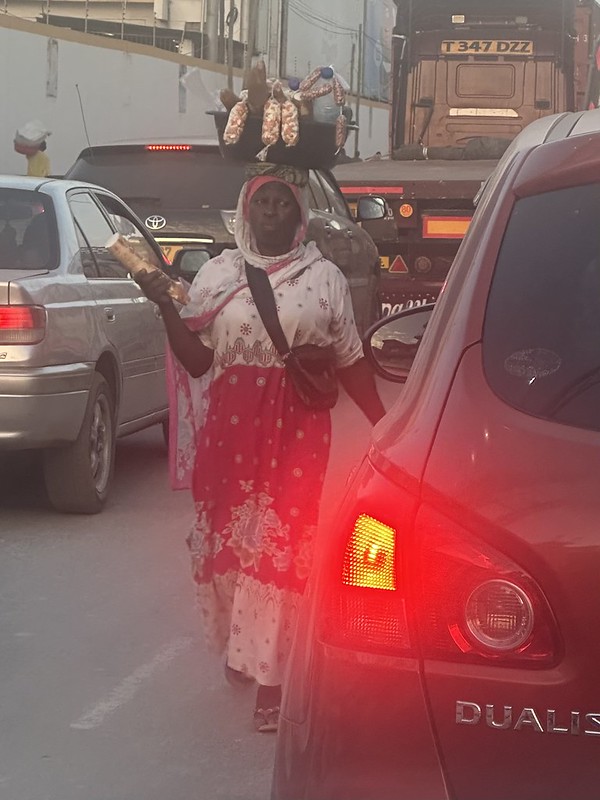
I spent 13 years in South America and I was curious how it compared to Africa. I was excited to be back in the tropics as the north of Tanzania is less than 5 degrees south of the equator. I love the tropics and it brought back memories of my time in Latin America. Africa is poorer than South America, although there are many similarities. The road leaving the airport heading out of Dar Es Salaam was under construction and traffic was chaotic and busy. The first two things I noticed were women carrying things on the top of their heads and many of the villages and towns lacked street lights. That is a lower tier of infrastructure in South America.

We are exhausted when we arrived in the middle of the night at the resort. I was so happy to fall asleep in my tent and was excited to see the beauty of the Tanzanian coast in the morning sunlight.

Typical Vendor in the streets of Dar Es Salaam

Family Journal: November 5, 2023: Oliver and Ocean CAFA Soccer Championship in Almaty, Kazakhstan

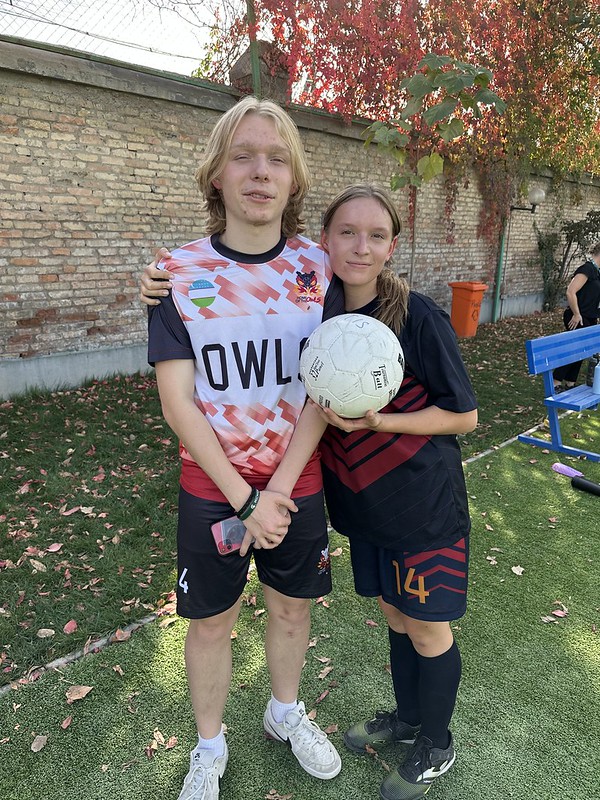
Oliver and Ocean

This is my second visit to Kazakhstan’s largest city, Almaty. Nadia and I came here to watch Oliver and Ocean participate in the Central Asian Federation of Athletics (CAFA) Soccer Tournament. International schools in the five Central Asian countries participate in the conference. This is Oliver’s last soccer tournament as he is a senior this year and will be graduating in June so we wanted to watch him. We also were excited to see Ocean play as well. This is her first time playing soccer. Oliver’s team won the varsity boys championship and Ocean’s team tied for third. Nadia and I loved coming up here and taking in watching our children play soccer. It was a beautiful, sunny day, and had a lot of fun with the kids and their classmates. Quality Schools International (QSI) Almaty International School hosted the tournament in their beautiful sports facilities.

Oliver’s Team won 3-1 in the finals against Hailbury International School of Astana

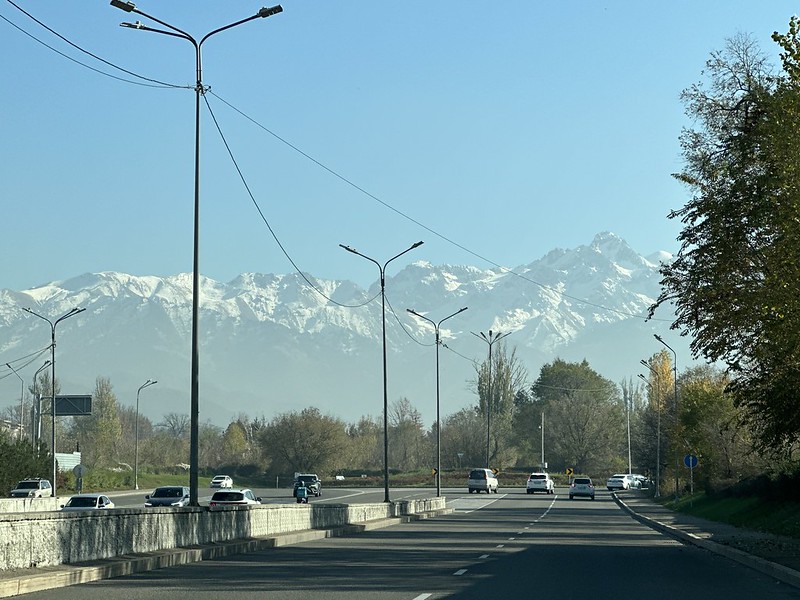
Kazakhstan is around 4-5 five times richer than Uzbekistan and you can see it in the infrastructure. Almaty was an important federal capital for the Soviets and it shows. The Russians called it “Alma Ata” and I remember reading maps in school with that name. The trans-Siberian railroad came through here which brought more industry and business. Pre-Soviet times, the Russians built a fort here to protect the empire and they named the town Verny. Later, many dissident intellectuals were exiled here from Moscow and the city developed a sophisticated culture. It feels very European and feels much more civilized and established than Uzbekistan. The metropolitan area of 2 million people makes for a refreshing, elegant break from Tashkent. Shortly after independence, the Kazakhs changed the name to Almaty, the original Kazakh name of the area. A former president moved the capital to Astana in 1998, but Almaty still is the financial and cultural center of the country.

Nadia and Bill

I enjoy the restaurants. We ate at Honey-Honey Restaurant which is located in the financial district, near the Esentai Mall. Our friend Tracey said it felt like Helsinki with the birch trees and a beautiful outdoor plaza between the restaurant and mall. It had an Asian menu, an excellent drink menu, and gourmet ingredients and taste. I highly recommend it when you come here.

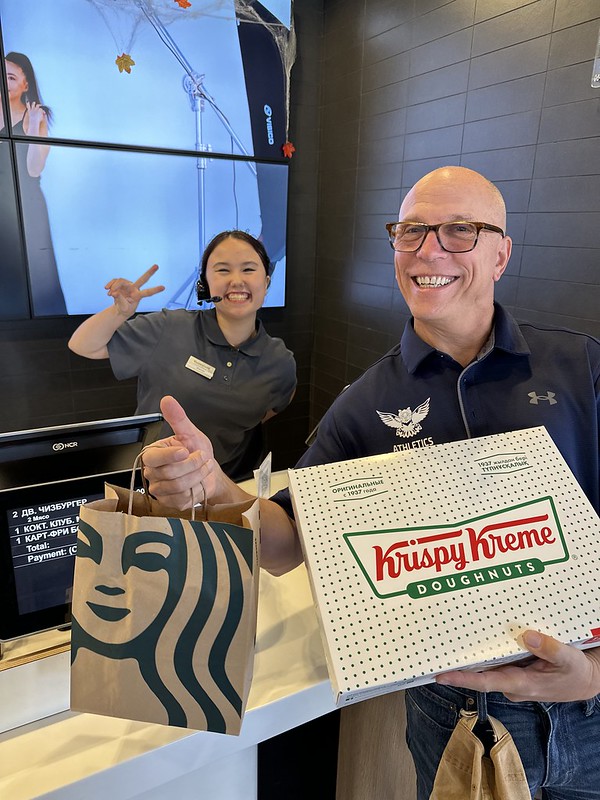
We also made the mandatory stops at American franchises that have not made it to Uzbekistan yet. Starbucks (gifts), Krispy Kreme, ate a Papa John’s pizza and a quick meal at the restaurant formerly known as McDonald’s. I say “formerly known as” because McDonald’s pulled out of Kazakhstan when they had supply chain issues due to sanctions on Russia. The restaurants are still here in Almaty, but the Golden Arches are taken down, and all references to McDonald’s are wiped from menus, drive-thrus, etc. It is now known as “Food Solutions KZ” with a new branding campaign coming soon. The double cheeseburger, fries, and strawberry shake tasted similar to the McDonald’s all Americans know. We also went to a supermarket to buy nacho chips and a few things Nadia could not get in Uzbekistan. We spent the rest of the day in the hotel room. I exercised in the gym and later went for a run along the Esentai River (весновка) in Russian as there was a running/biking trail.

American Franchise Tour

The first time we came, we didn’t go to the central business district. There is a lot of new construction and there is a modern skyline. I noticed signs for the BI Group and Halyk Bank, to huge businesses that have changed the landscape of the city.

Family Journal: October 21, 2023 “Noble Bukhara”

The “walking street” at sunset

I made my second visit to the ancient Silk Road City of Bukhara on October 20-21. We were with old friends Claudiu, Vesna, Mark, and Tudor who were visiting from Romania. Bukhara is 5,000 years old and is a designated UNESCO World Heritage Site with 140 architectural monuments. It is an absolutely magnificent and exotic citadel that gives modern people a glimpse of what it was like on the Silk Road. October is a nice time to visit as the heat of summer has abated. We had a bit more time to explore the city on this visit as I was not in charge of a large delegation. Claudiu and Vesna are history buffs like I am so it was great to listen to our guide and she answered all of my questions.

Citadel “The Ark”

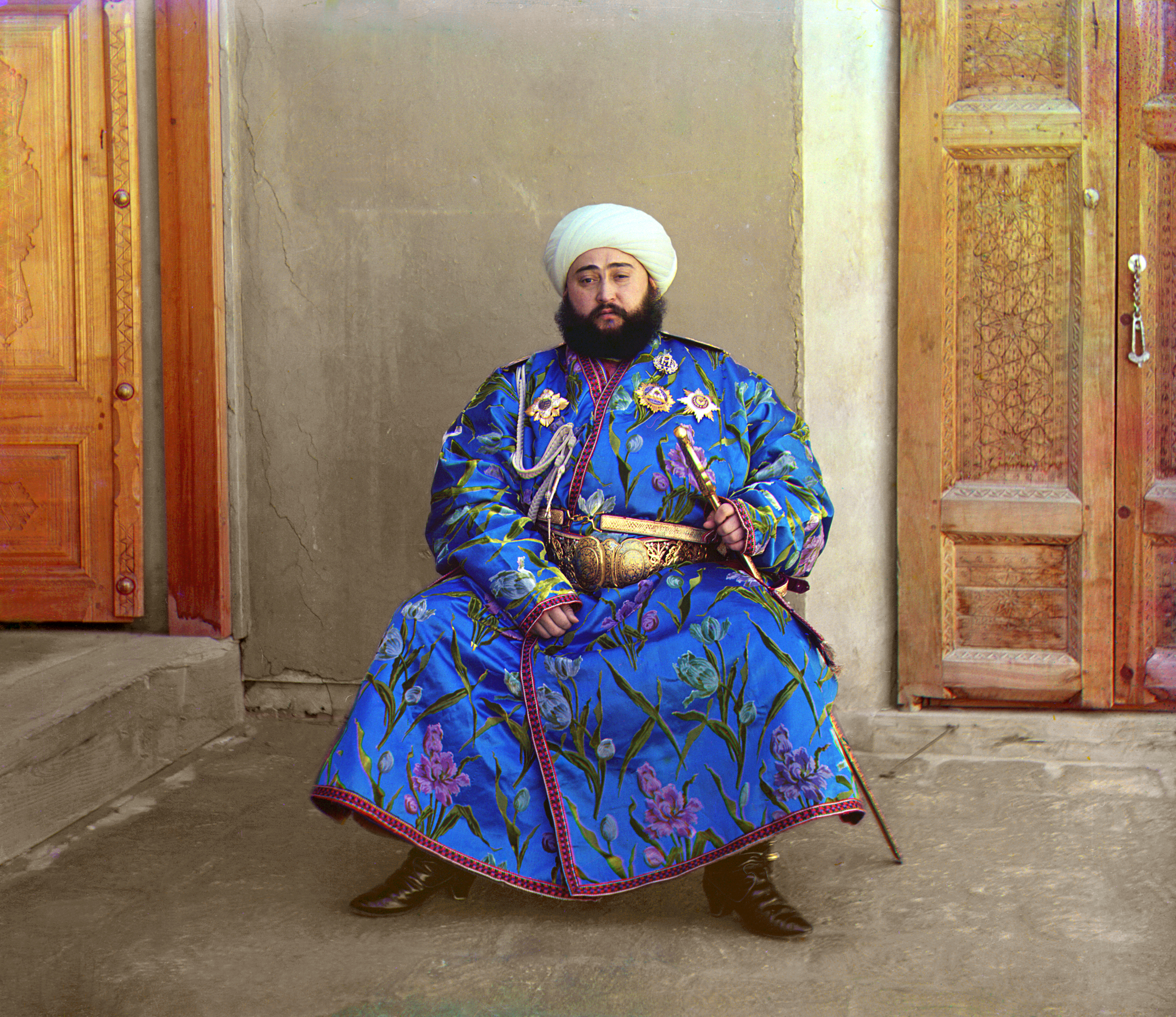
On this visit, I was particularly interested in visiting sites related to the last Emir of Bukhara, Alim Khan. I recently read a biography of Ghengis Khan, and Alim Khan was the last descendent of Ghengis to rule something, over 700 years after his death. Poor Alim had to flee Bukhara in September of 1920 as Red Army troops stormed the Ark and raised their flag on top of Kalyan Minaret. He eventually found exile in Kabul and died in 1940. I found a couple of photos of him posted at some of the sites and he has a madrassa/museum named after him. The Russian chemist/pioneer photographer Sergey Prokudin took the color photo below of the Emir in 1911. I wonder what kind of person he was and what kind of life he lived. I find it amazing that a khanate would last into the 20th century, but then we have the Sultanate of Brunei still existing today as well as Saudi Arabia and the Gulf Region monarchies. Amazing color photography for 1911! I have to look up other Uzbekistan photographs taken by Prokudin.

Alim Khan circa 1911 (Prokudin – Gorsky photo)

One of my favorite parts of the tour was visiting the old Jewish Quarter. Sadly, almost all of the Bukharan Jews are gone today. They originally came to the region in the 6th century (500s) coming out of Persia. They more or less were OK for 1000 years and spread out through Iran, Afghanistan, and Central Asia. Due to persecution from Muslims, eventually, they were isolated in the Khanate of Bukhara. In the mid-1800s, they started moving to Palestine and there is still a Bukharan Quarter in Jerusalem today named after the section where they originally settled. They also suffered under the Soviets, an atheist government. Over the years, they moved on to Israel and the United States. Today, some of their homes have been converted into hotels and are preserved like museums. We visited a couple of them and it really was awesome to get a sense of how they lived.

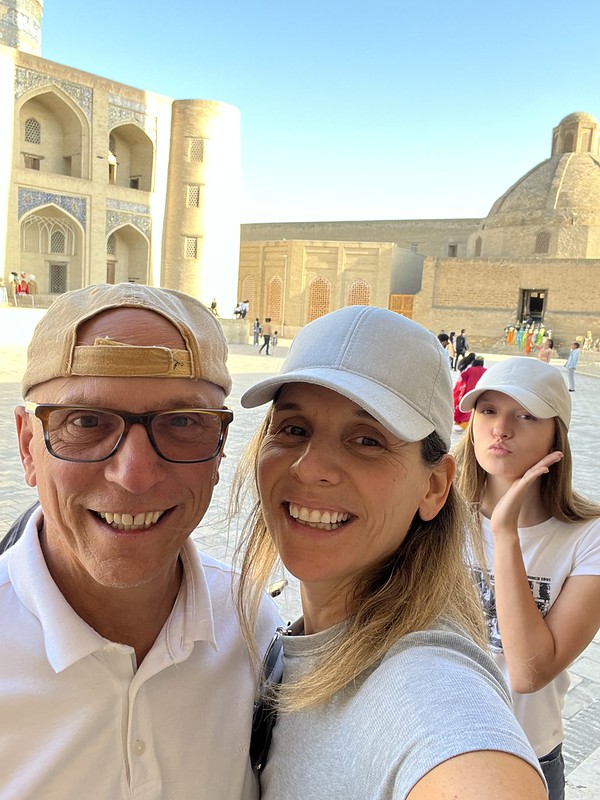
Hammoni Kunjak Masjidi – Bill, Nadia and Ocean

The walking tour of Bukhara included learning about the famous ornate, wood, carved doors. The doors had two brass knockers, one for men and one for women. If a man knocked using the male knocker and a woman was the only one home, she would go to the door and use the inside female brass knocker to tell the man that she couldn’t open the door.

Reunited in Bukhara!

We toured The Ark or Fortress. When Nadia and I were here in May, much of it was under construction. This time, it was open and it afforded us breathtaking views of the old city. We finished the day having a cup of tea overlooking the plaza inside the old city. Bukhara was truly awesome as it gives one a sense of what it was like so many years ago. I can imagine traveling through the Kyzl Kym (Red Sands) Desert for weeks to come up to the oasis of Bukhara. Seeing the Kaylan Tower in the distance must have been comforting for travelers.

Family Journal: October 29, 2023 “Oliver & Ocean”

Nadia and I are soaking up as much Oliver as we can this school year! Oliver is in grade 12 and Ocean is in grade 10 and they have many of the same activities. We loved watching them compete in the city soccer championship on Saturday. Both of their teams won the tournament. Oliver didn’t play as much as he was hoping to as he has a very good team. I hope he keeps up his spirit and continues to play hard. The boys defeated the Diplomat International School in the finals 4-3. Oliver made a key defensive play in the final minutes to save the victory. The two varsity girls teams met in the finals. Ocean scored a goal in the finals.

Ocean is getting used to soccer and is improving every day. I can’t wait to watch them play in the CAFA tourney this weekend. Nadia and I are flying up to Almaty on Friday night to watch the finals on Saturday. They look so cute together.

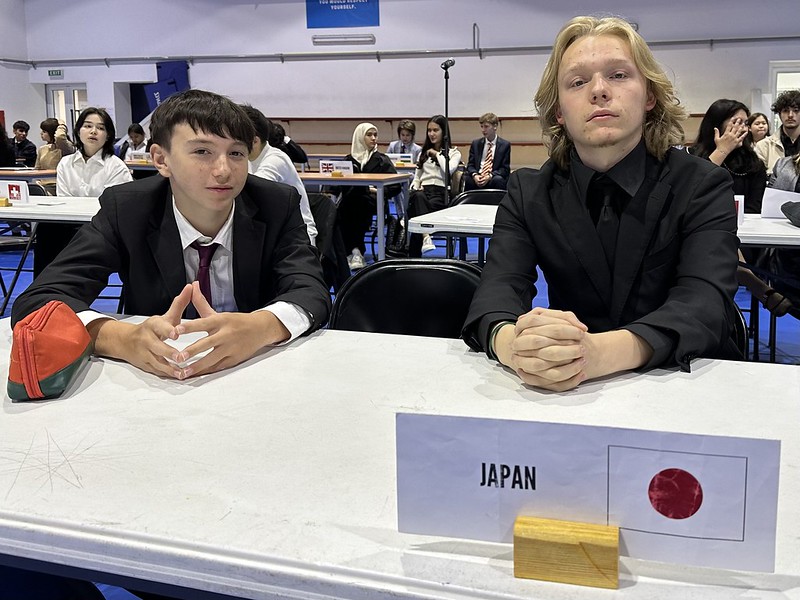
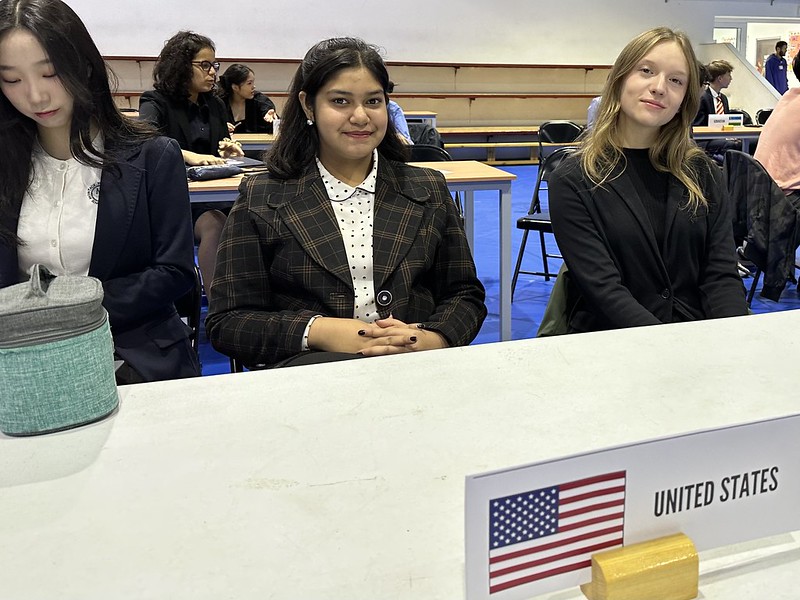
Earlier in the week both Oliver and Ocean participated in our school’s Model United Nations. The students are assigned roles and they practice diplomacy just like the real United Nations. Oliver was assigned to be the delegate of Japan and Ocean was a delegate of the United States. Oliver won a Best Delegate Award for his resolution proposals and convincing arguments on the floor of the General Assembly. I like it when the students dress formally and the kids love it too. Oliver would be a really good diplomat. He is quite charismatic and people gravitate to him.

Finally, I started basketball season early by coaching the grades 4 and 5 students. Coaching sports was one of the reasons I went into education and it is very satisfying to mentor young players to develop their fundamentals, learn the strategy of the game, and learn to be part of the team. I wish I would have kept track of how many games I’ve coached and my ultimate win-loss record. We went 3 and 1 on Saturday.

Warehouse Explosion Rocks Tashkent

Photo from Telegram

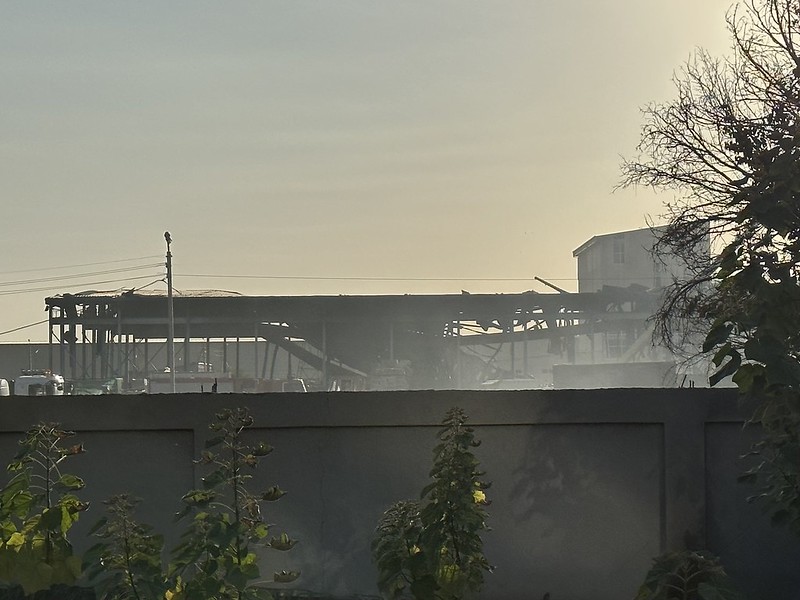
Early Thursday evening at 2:58 AM my wife Nadia shook me awake and asked if I left the door open. She heard a loud noise and assumed I left the door open and the wind blew it shut. I didn’t think much of it and went back to bed. That morning I decided not to check my email like I usually do and instead did a yoga workout and went for a swim. I was in the pool when Nadia came out and said that a warehouse near the airport exploded. That was the noise she heard.

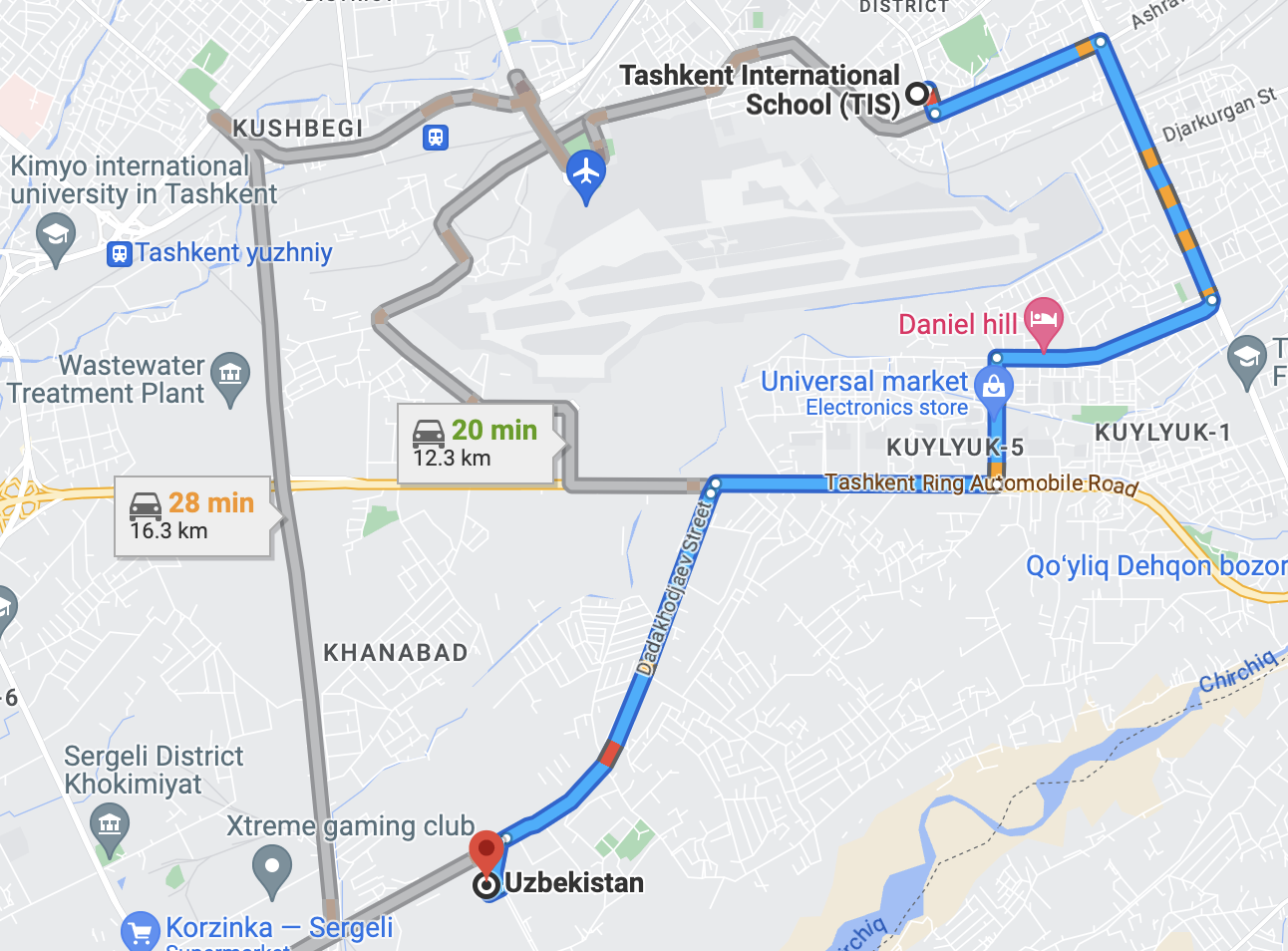
I quickly got out of the pool and changed and went to the Crisis Response Team Google Chat to call the team together. We wanted to check if anyone from the school community was injured or if it was a terrorist attack and we would be on lockdown. Through Telegram, calling the facilities manager, and news reports, we discovered that it was an accidental explosion. The manager, Rashid is the community member living closest to the blast and all employees were fine. The blast took place about 6 kilometers from the school and my home as the crow flies in an industrial district with low-income apartment blocks, so I was pretty sure none of our families lived there.

The cause of the blast is uncertain. From the best information I found, it was electric car batteries and bleach that exploded. A lot of new BYD (Build Your Dreams) Chinese electric cars were damaged as they were parked nearby. The students were finding ashes on our campus on the ground during the morning break. An odor of burnt plastic wafted into campus mid-morning, but our air quality monitors had healthy numbers so we kept everyone outside as usual. One teenager died in the blast and hundreds were injured.

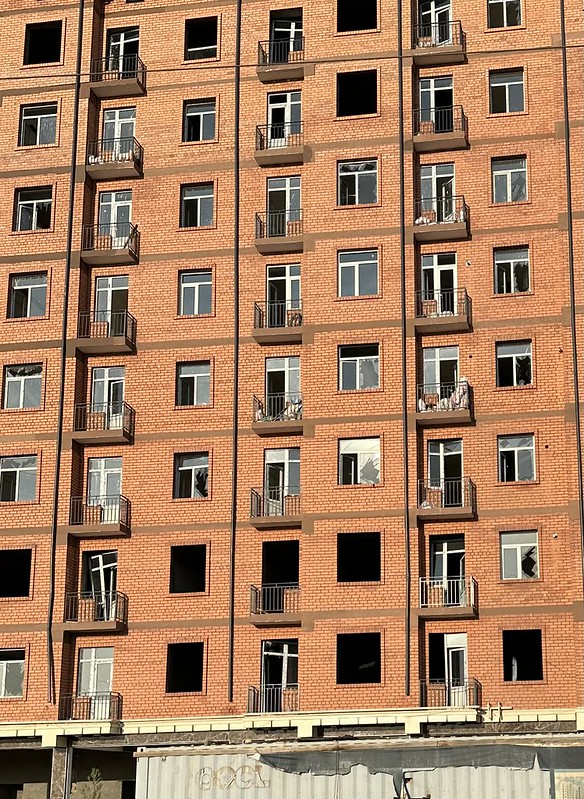
Windows of the minimarket smashed from the blast

I visited the site today, Monday, to check it out. There were police, ambulances, soldiers, and construction workers at and near the site. Smoke was still coming from the rubble as cranes and construction trucks were cleaning the site. Many workers were replacing windows in the apartment blocks across the street from the warehouse. It was probably 200 meters between the first row of apartments and the warehouse so it must have been a powerful blast.

Google Map of Route from the school to the explosion site

I hope they figure out what caused the explosion so it does not happen again. My condolences to the family of the young person who died. The government is doing a good job of caring for the injured and repairing the apartments. There were many soldiers and construction people installing windows, cleaning debris, and repairing damaged buildings.

Impressions of Bucharest, Romania

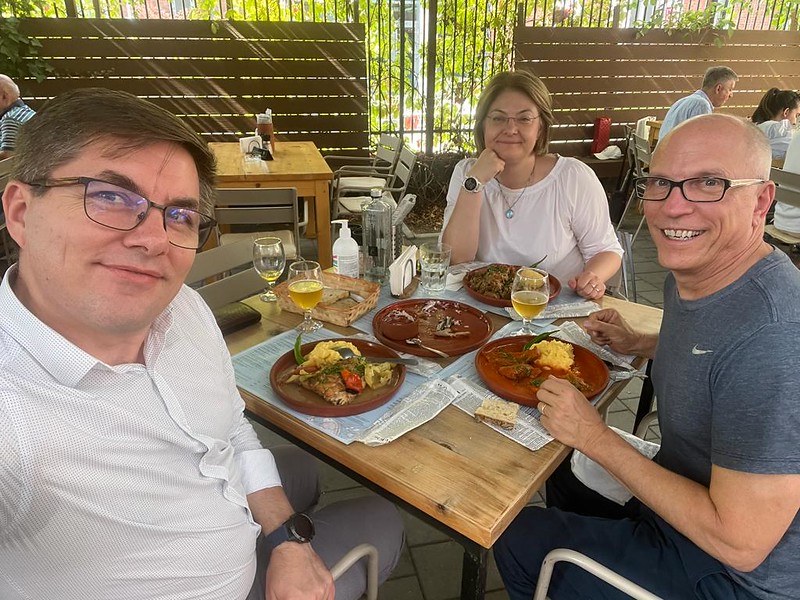
Claudiu, Vesna and I enjoy a Danube Delta Seafood Lunch

This was my third visit to Bucharest (Bucaresti in Romanian) having visited in 2009 and 2014. It was a refreshing break for me to be back in the “West” and to see again one of my favorite places on the planet, the Balkans. Romania has a special place in our hearts because of our close friends, Claudiu and Vesna. I stayed with them on this visit. It is always great to see them as they are like family to Nadia and me. We were very close when we lived in Belgrade (2008-2014). It is also a better experience to stay with locals as you get a better understanding of life through their eyes. They live in an apartment in the suburb of Titan, which is just inside Sector 3 in Bucharest.  

On Sunday, we went to lunch at Ivan Pescar, a restaurant owned by Romanian Olympic rowing champion Ivan Patzaichin. He is ethnically Russian and is from the Danube Delta region where the river empties into the Black Sea. It was a nice atmosphere on the back patio and my pike with polenta and a spicy tomato sauce was delicious. I highly recommend the restaurant!

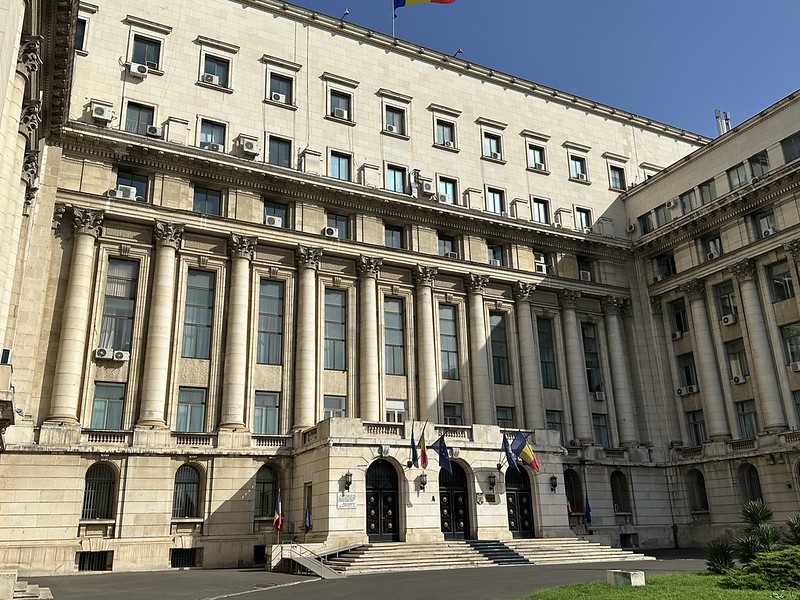
One of my highlights of the trip was to visit the balcony of the former Central Committee of the Communist Party in the center of the city. The former dictator, Nicolae Ceaușescu was booed off the stage by angry crowds in December of 1989. A few days later he and his wife were executed. This led to eventually, Romania joining the European Union and its prosperity today. We always joke that my wife Nadia shares Ceausescu’s birthday, January 26 and I share Yugoslavia’s former leader Tito’s birthday, May 25. It is coming out that it was not entirely the popular uprising from the masses that deposed of Ceausescu. Like most dictators, it was the elites around him that turned on him with probable support from the intelligence/military of the larger countries that got rid of him. The revolution was a big deal for Romanians and I saw graves and memorials all over the place, marking 1989 as a historic date. I remember 1989 well, as I was in university. In another 40 years, most people will not have lived through the events and it changes.

Bucharest is an economic powerhouse in southeastern Europe and is known for its tech industry and high GDP. I was surprised to read that the 2.2 million Bucharest metro area has overtaken other comparable cities in Europe, including Rome, Budapest, and Madrid regarding the size of its economy. My friends commented that they have seen the country move from a country of emigrant to immigrants. I noticed a lot of south Asian waiters and construction workers. As with many countries in the Balkans, Romania has a low birthrate and experienced some “brain drain” with younger professionals leaving. One of the consequences of a stronger economy is strains on the infrastructure of the city and country. Traffic is a real hassle. It took us 90 minutes to go from the airport to their apartment. Ceaușescu, like many Eastern European Socialist leaders, built huge, ugly apartment blocks. At the time, few people had cars, but now, with a high density of inhabitants and no parking available, the sidewalks and lanes of the streets are filled with parked cars. We also had traffic going to Transylvania. Typical Balkan country, great at living life to the fullest (family, friends, good times) but not so good with organization, infrastructure, and government.

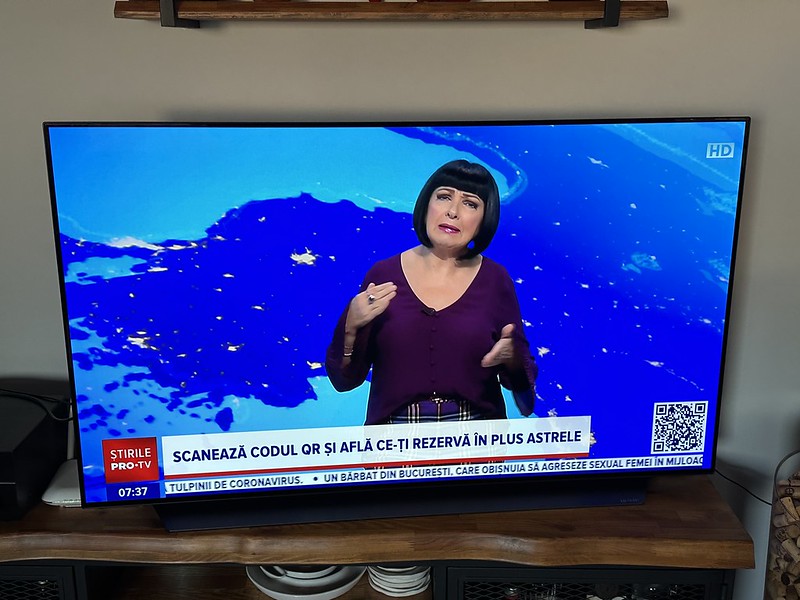
I had to laugh at the Pro-TV national news broadcast that we watched. Pro-TV is one of the big networks and leans a bit to the left politically. On the show, the beloved Netty Sandu, had her traditional astrology segment. I just don’t see CNN having an astrology commentator. We also watched the Romanian version of The Voice and I noticed quite a few Moldovans on the show. Moldova is an interesting country with a big Russian population. The Romanians gave a lot of support to Ukrainian refugees and the government is concerned about Russia’s invasion of bordering country Ukraine. The Romanian government pays 10 euros per day per refugee to anyone renting to Ukrainian families.

Overall it was a delightful trip to Bucharest and all too short. It is only a 55-minute flight from Istanbul. I hope to get back again someday.

The Carpathian Mountains of Transylvania

Romania historically was split into two major regions, partly due to geography and partly due to politics. The capital city of Bucharest is in the center of the crescent-shaped plain in the southeast of the country which takes up approximately half of modern Romania. The other northwest half of the country is mountainous. After spending two days in the capital, we took a bus to the mountains, which is famously named Transylvania. It is famous due to the Irish author Bram Stoker who wrote the Gothic novel, Dracula in 1897. Count Dracula is one of the world’s most known mythic figures. Stoker took the name Dracula (Romanian peasants mispronounced the word “dragon” referring to an ancient Transylvanian dynasty. Stoker never visited Romania and didn’t refer to Vlad the Impaler (one of the real life historical “Draculas”) in his notes, only getting the name from a Hungarian acquaintance from the region. Transylvania, the mountainous region was controlled by the Austrian-Hapsburg Empire. The Hungarian leaders supported the settlement of German farmers and tradesmen to develop the towns and cities of the region. In part to protect from the Ottoman Empire which controlled the plains. Many of the German settlers were from Luxembourg and spoke a dialect of German similar to modern Luxembourgish. Today there are only about 12,00o left in the country. Most emigrated during and after World War II and through the years of the brutal dictatorship of Nicola Ceaușescu.

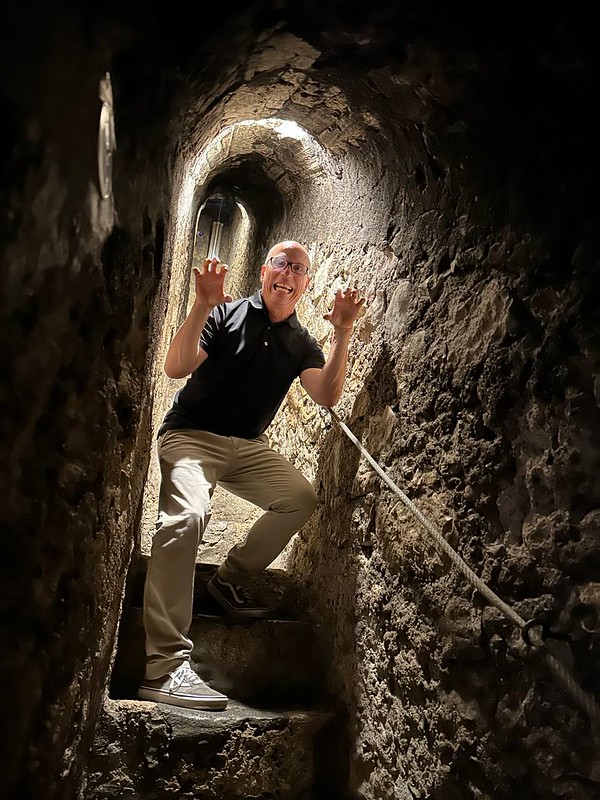
Acting Like a Vampire in Bran’s Castle

Our first stop was the ski resort village of Sinaia. The Carpathian Mountains offer breathtaking views and combined with the German-style architecture reminiscent of the Bavarian Alps, it is a beautiful town. Romania has an infrastructure problem and there were several traffic jams. The 139 kilometers took us over four hours. This is on a Saturday morning. The government should have used the European Union development funds to build wider highways to avoid this. I was surprised that the main highway out of the capital city going to another major city, Brasov, was only a single lane.

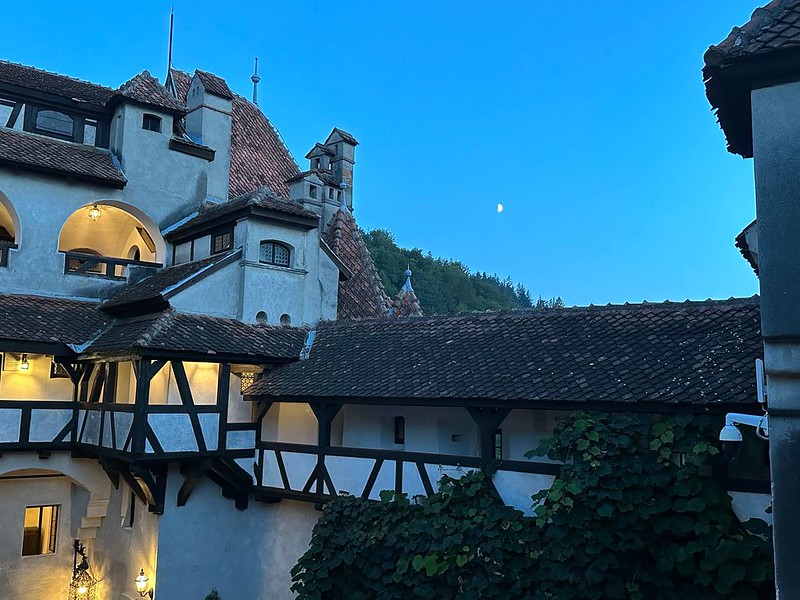
Bran’s Castle at Night

Our destination was the ornate Peles Palace, the summer residence of King Carol I (1839-1914). He was the first king of the Hohenzollern-Sigmarigen dynasty to rule Romania. He was named king in 1866 after a coup détat ousted Alexandru Ioan Cuza, one of Romania’s military heroes. Carol was a stern, German military man who led Romanian-Russian troops to defeat the Turks and help unify Romania. He ruled from 1866 to his death in 1914. His only daughter died as a child and eventually, a nephew took over, Ferdinand. The family dynasty ruled the country until they were exiled by the communists in 1947.

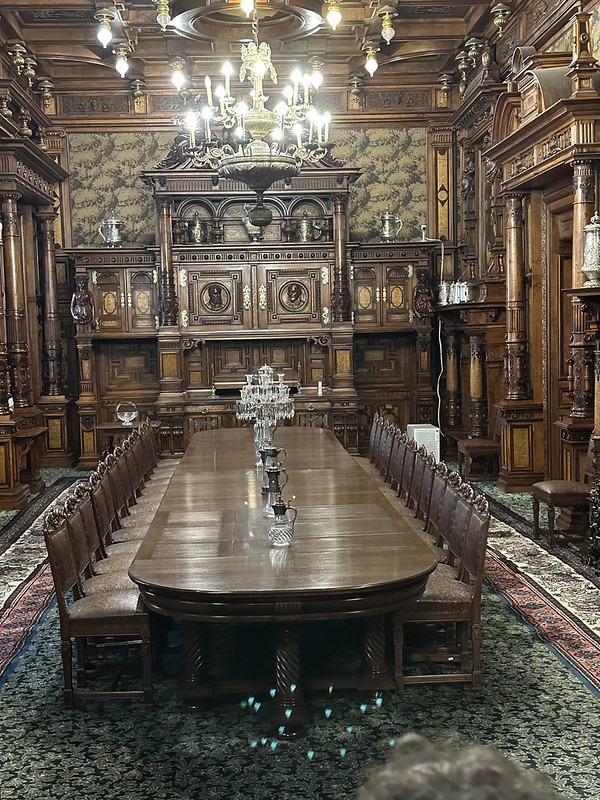
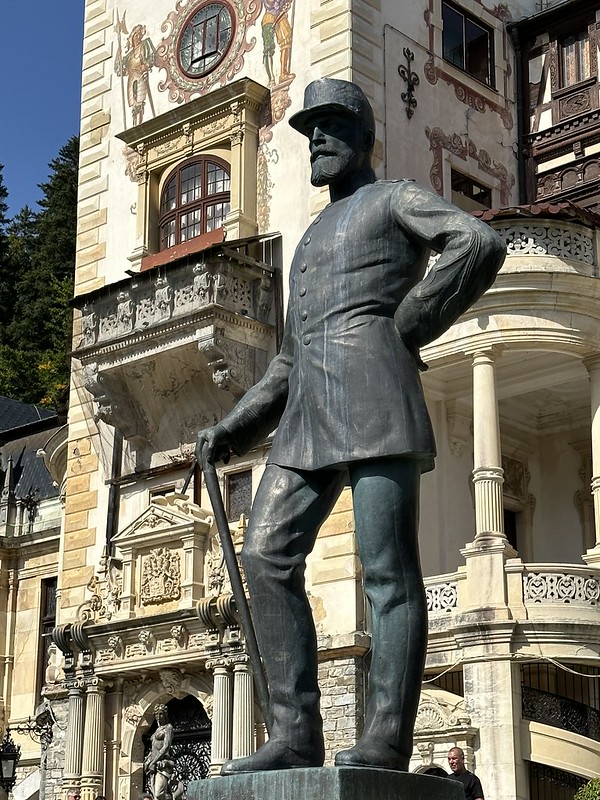
Summer Residence of King Carol I

The palace is excessively ornamented with huge murals, detailed woodwork on the doors, walls, and ceilings, stained-glass windows, etc. It looked like a movie set and would be good for Harry Potter or a murder mystery plot. Cherubs must have been quite popular when it was built in 1883. As you can see from the photos and videos, it is incredible that citizens would build something like this as a vacation home for the leader of their country. The idea of monarchs and royal families is abhorrent to me. I guess it is my American spirit, as I am a descendent of poor, European immigrants fleeing the unfair economic system of haves and have-nots in a quasi-feudal system. Andreas Kralovec left Bohemia right around this time, in 1888, to America. He was probably looking for a better life possibility in the frontiers of the Great Lakes region instead of staying under Hapsburg rule. Thank you Andreas!

The grounds are also spectacular with a wall of green pine trees to frame the scene. I noticed besides the massive statue of King Carol I, they also made statues of King’s dogs. I could definitely spend a summer holiday here. I bet the hiking is really nice. The downside to the visit was the huge crowds and we had to wait 5-10 minutes to get in. I am glad I did, however, because taking the tour of the first floor took my breath away. I would have loved to write blog posts in his study and library. It is exactly how I pictured it in my mind with a second loft for more walls of books and a gorgeous desk.

One of our friends broke his foot as he slipped on one of the steps leading into the palace. It was a freak accident and we had to take him to a local hospital, which was another fascinating, cultural experience after seeing the palace. I think this small hospital receives many skiers in the winter with broken bones. He got an x-ray and cast within an hour and we were on our way to Brasov. While we were waiting, I found a trail to the Presov River which runs through the valley. The water quality did not look good and I suspect the wastewater treatment in the region is poor. The Romanians are typical Balkan people, who love life, and live for the moment, but are not very organized.

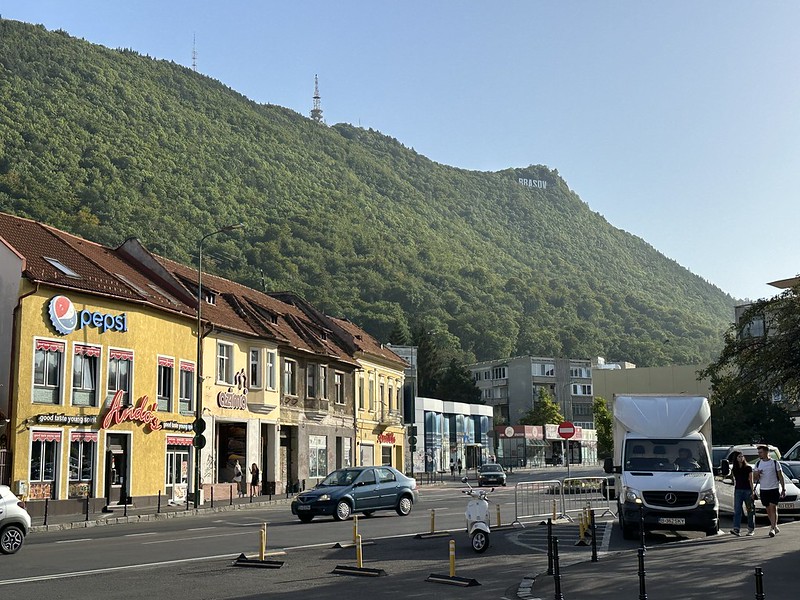
Brasov City Sign

We finished up the day touring the famous Bran’s Castle, located about 25 kilometers outside of Brasov in the town of Bran. The owners market it as Dracula’s Castle and it is surrounded by markets selling vampire kitsch. It is fun, but author Bram Stoker never heard of the castle. It was a customs house, charging taxes on goods moving through a pass in the mountains between the fertile mountain plateau fields. They have done a great job in improving the castle museum. My family visited the castle in 2009 and there were none of the displays and renovations. They have a cool elevator that goes down an old well that leads to an underground shelter.

The castle is now a museum dedicated to the wife of King Ferdinand, Queen Marie. She was quite artistic and decorated it to be used as the family home. Excerpts from her diary were on display and she was thrilled about the romance of living in a castle. The people of Brasov gave it to the royal family. It would have been a very cool place to grow up. She made it cozy, although the winds whipping through the pass must have been tough to live with. We had fun pretending to be spooked by vampires and there was a video depicting all of the Dracula movies through the years. The idea of vampires and the bloodthirsty living dead is irresistible to humans. I saw a poster advertising a Halloween party to be held there. That would be fun!

The View from Bran’s Castle

We finished the evening with a 4-course meal in a private dining room on the grounds of the castle. The perfect way to end a Transylvanian day! The trout covered with butter and garlic was delicious and the duck breast looked and tasted with beef. We had a decent Romanian wine to go with dinner and had lots of laughs as we reflected on our day. I enjoy attending the CEESA fall directors’ meetings and retreats. It is a nice respite from the hectic pace of school leadership and a chance to connect with colleagues who understand the challenges we face.

Bran’s Castle

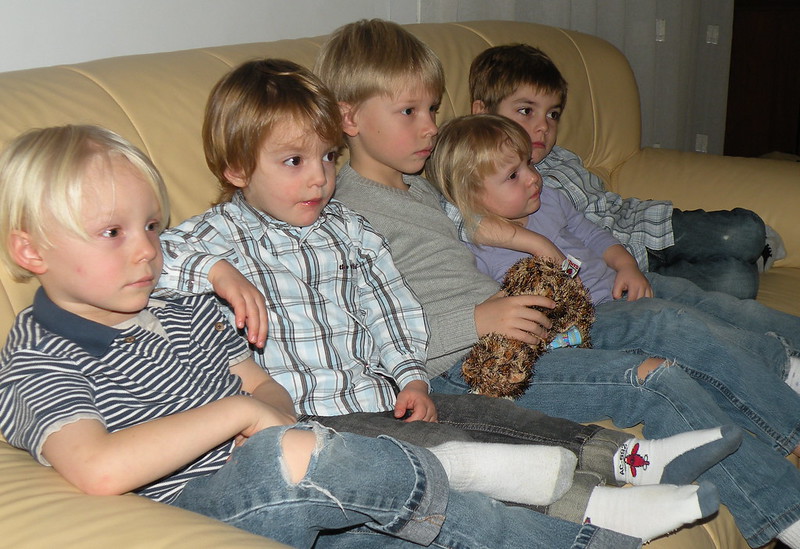
Brasov is a gorgeous city and much improved since I last was here. There were lots of people in the parks and there was a food truck festival to attract even more hungry people. My friend Vesna is from Brasov and it is a great base to explore Transylvania. We stayed here for New Year’s in 2009-2010. The kids were much younger then as you can see below.

Oliver, Mark, Owen, Ocean, and Tudor

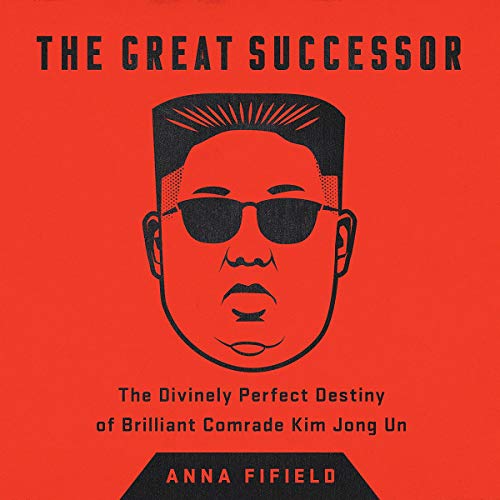
Latest Reading – The Great Successor: The Divinely Perfect Destiny of Brilliant Comrade Kim Jong Un

Journalist Anna Fifield tried to interview everyone who had interactions with the current North Korean dictator Kim Jong Un. She traveled to many of the places of significance to Kim Jong Un. Examples include traveling to Japan to interview the former chef and playmate of Kim Jong Un, a Japanese man who worked for the family for years. Or visiting the International School of Berne, where he attended for two years while Kim Jong Un lived with his aunt and uncle. Fifield is currently the Washington Post bureau chief in Beijing and previously reported on North Korea for many years with the Financial Times and the Washington Post. 

North Korea has always interested me. I can’t believe a family can repress an entire nation (get the population). How does this happen? Aren’t there enough people there that know it is all a sham and just take him out? The book reminded me of the authoritarian playbook Kim Jong Un used to keep the dynasty going and consolidate his rule.

  1. Enrich and surround yourself with a small portion of the population whose wealth and lifestyle rely on keeping you in power. This should include elites in the military, police, natural resources, media, and other important parts of any society.
  2. Get rid of any potential rivals to power so they stay as an elite or are eliminated.
  3. Order the military, police, and internal affairs (intelligence) to quash any dissent through violence, jail, firing, etc.
  4. Develop a nuclear arms program so big nations will not mess with you.

World War II helped start the dynasty. 80 years later, we are still dealing with the aftermath of that tumultuous time. The Soviets and fellow socialists China, controlled Northern Korea after Japan was defeated. The Soviets installed Jong Un’s grandfather, Kim il Sung, as the leader because they thought he was easy to control. He surprised them by developing a cult of personality, making up myths about his legendary war heroics, and suppressing a traumatized nation. I was angered reading that Kim il Sung begged the Soviets and Chinese to allow him to invade South Korea in 1950. Tens of thousands of US soldiers died in the Korean War because of this initiative. 

I could see how he bamboozled the country back then about how great he was against Japan during the war. People can be like sheep, easily led by misinformation. This was also before the internet, video, etc. where it is easier to find out the truth about con men. He was even able to pass power on to his son in 1994 and his grandson took over in 2011 on the death of his son. I laugh at his leadership trait of being filmed “dispensing pearls of wisdom on everything from agricultural methods to military tactics during publicity tours around the country during the on-the-spot guidance sessions.”

Kim Jong Un’s childhood was amazing. He was treated like a little “comrade general” and lived a life of absolute luxury, seclusion, and doted on my sycophants. I can see how this would change a person’s outlook on life. Jong Un loves basketball and that is what he did all the time. I loved basketball in my youth too, so we do have something in common. The Dennis Rodman visit was interesting and ended how it was expected, with Kim Jong Un becoming disillusioned with him.

Fifield details what a horrible person he is. He ordered the murder of his uncle and half-brother (see #2 above). Through selfishness and ineptitude, he starves the majority of the population. Dooming them to a life of depravity and boredom. He also sends a lot of people to prison for any minor infraction or questioning his rule (see #3 above). I don’t see a change in leadership anytime soon in North Korea. I would like to see a reunification of the peninsula in my lifetime like East and West Germany.