Impressions of Almaty, Kazakhstan

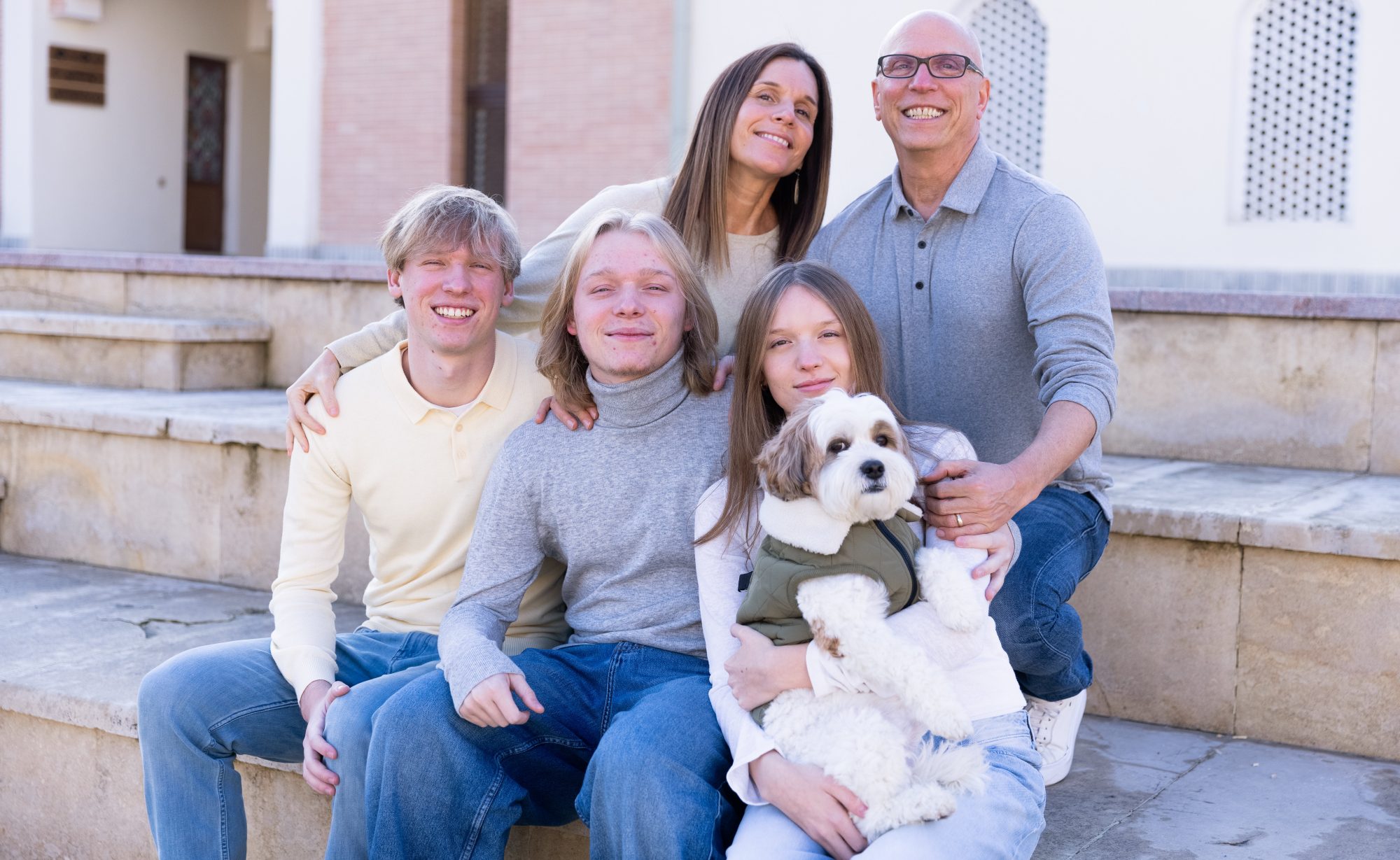
Oliver, Dad and Ocean in Panfilov Park – Almaty

I was annoyed that we couldn’t find a direct flight to Dubai when we were making travel plans for our Fall Break. We have not been traveling much during the pandemic and with family visiting us over the Winter Break, we wanted to get out of Uzbekistan. We managed to get flights to Dubai on Air Astana, however, with a night in Almaty at each end of our trip. It ended up being really nice actually because we have not visited Kazakhstan. We had a pleasant autumn afternoon here today in the cultural and economic capital the country. 

Oliver & Nadia

I can see why Kazakhstan is the “older brother” of Uzbekistan (like Argentina is to Uruguay) and something Uzbekistan is striving for. I was really curious how the lifestyle of Uzbekistan compared to that of Kazakhstan. Almaty felt like an older, more established Tashkent. The roads and sidewalks are nicer with solid bike lanes on many of the streets. The parks are well-maintained and everything seems a bit more orderly. Tashkent now feels more of a frontier city after seeing Almaty. In my opinion, Uzbeks are the “country cousins” of the Kazakhs, which is not necessarily a bad thing. Tashkent is rapidly developing and with all the new construction, the buildings are much more modern, larger, and more varied. I didn’t see many impressive buildings in Almaty and the place felt more Russian or Eastern European than Tashkent. Tashkent is flashier than Almaty. In my little time here in Almaty, I didn’t see any women wearing headscarves and didn’t see any mosques. Tashkent is much more religious, specifically, Islamic than Almaty.  

View from the Hotel

The Kazakhs also look different than the Uzbeks. They have Mongolian facial features and the Uzbeks look more Turkish. Kazakhs were a nomadic people and that is similar to the Mongols. Uzbeks were always the city-dwelling, farmers and they have more of a Persian and Turkic influence. I bought a biography of Ghengis Khan as I want to learn more about the Mongols and the Turkic Golden Hordes of Central Asia.

Hotel Kazakhstan

We are stayed at the Hotel Kazakhstan, the equivalent of the Hotel Uzbekistan. It was the premier hotel during the 1970s and 1980s during the Soviet era. It is better maintained than the Hotel Uzbekistan and we had a nice stay. I would recommend it to visitors looking for that type of experience. We had a fantastic dinner on the 26th floor “BarFly” Restaurant. Gourmet food and drinks! This is in stark contrast to the 17th floor restaurant in the Hotel Uzbekistan. 

The main goal for my family was visiting franchises that have not come to Tashkent yet. Our first stop was Mc Donald’s, followed by Starbucks, and ending with a mall trip to H&M and Stradivarius. We hit all of these places and were surprised at the European city-like feel of Almaty. It is prime autumn color time and with so many trees, it didn’t feel like we were in the desert of Uzbekistan. 

My highlight was seeing Zenkov Cathedral, a colorful Russian Orthodox that is made of wood and does not have any nails. It was constructed in 1907 and was recently restored. The cathedral is in a large park with mature trees. It was a prime autumn day and with the yellow leaves and setting sun, it was a peaceful atmosphere. 

We were fortunate to get good weather yesterday. We awoke to rain and it was a gloomy taxi ride out to the airport. We’ll be back in Almaty this upcoming Saturday. I was impressed with the city and want to come back and explore the country more. 

Family Journal: Hotel Uzbekistan October 16, 2022

Nadia, Oliver and Ocean Pose on the front steps of the Hotel Uzbekistan

My favorite building in Tashkent is the iconic Hotel Uzbekistan. Completed in 1974, it is an iconic Soviet-era grand building framing what used to be Lenin Square. Modern buildings are rectangular and mostly steel and glass. The hotel has a curved shape like an open book and an intricate concrete lattice. It would never be built today. It is a long way away from its heyday when it was THE hotel to stay in. People tell me that it was one of the most bugged buildings in the world.

View from the 17th floor of the Hotel Uzbekistan

If I was a billionaire, I would purchase and restore what is left of these hotels in the former Soviet Union and the capitals of the former Iron Curtain. They would need to be modern, comfortable, and with all of the amenities of a Hilton, Intercontinental, or Hiatt to convince people to stay there. I think the nostalgia of a bygone era mixed with luxury would be successful. I would really play up the Socialist characteristics of the building. Not a Disney-like experience, but tastefully done.

The Hotel Uzbekistan reminds me of the Hotel Jugoslavia in Belgrade, Serbia. I always thought the same thing about that hotel. My fear with the Hotel Uzbekistan is that it will be torn down because of its prime location.

Hotel Jugoslavia on the Zemun Quay – March 2013 Belgrade, Serbia

Last night we took the kids to a new Asian/Japanese restaurant called Tanuki. Five years of living in Osaka, the food capital of Japan spoiled us regarding our food standards and we all judged it well below Osaka-level. We will not be returning as it was not worth the expense. It does have a good atmosphere and I hope they can improve with time.

After dinner, we went to the Hotel Uzbekistan to see the view from the 17th floor. The view is really nice as you can see, but it was a sad bar and restaurant that was about the level of a truck stop between Tashkent and Jizzakh. It definitely needs an upgrade.

Damas Deluxe – Yangi Zamon mahalla

I end this post with a photo of a Damas Deluxe. It is one of my least favorite vehicles common in Tashkent, mostly because of the reckless drivers that own them. It is made by the South Korean Daewoo Company. It is a cheaply made, pragmatic vehicle that is popular as a taxi or cargo transport. I was a passenger in a Damas in a drive up to the Chimgan Mountains and I felt like I was in a glorified go-cart. It struggled to go up the steep inclines. I find it funny that they have a “Deluxe” model of this car. One of the neighbors purchased on in our mahalla.

Central Asia Cross Country 2022

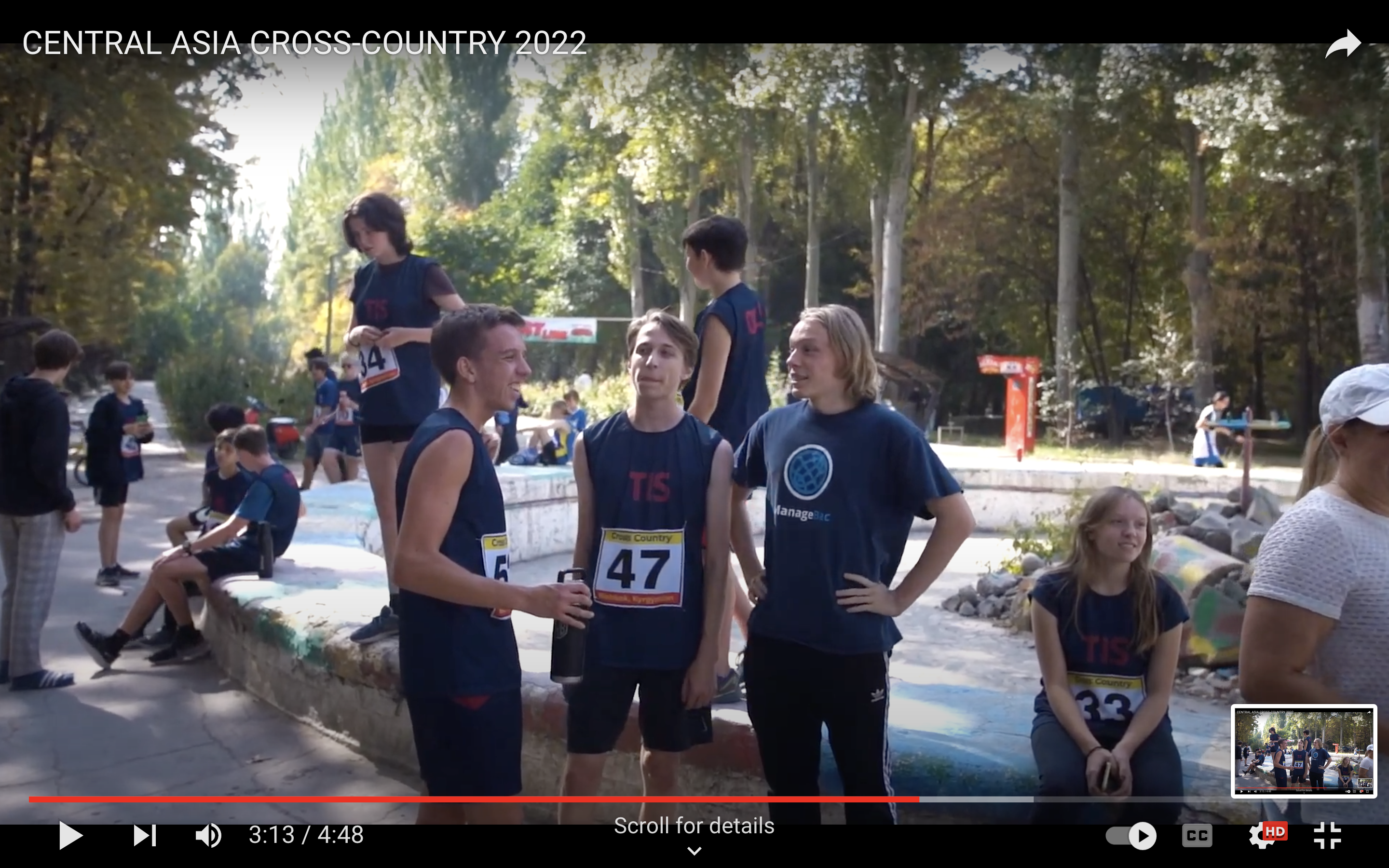
Screen Shot from the CAFA Cross Country Championship Video

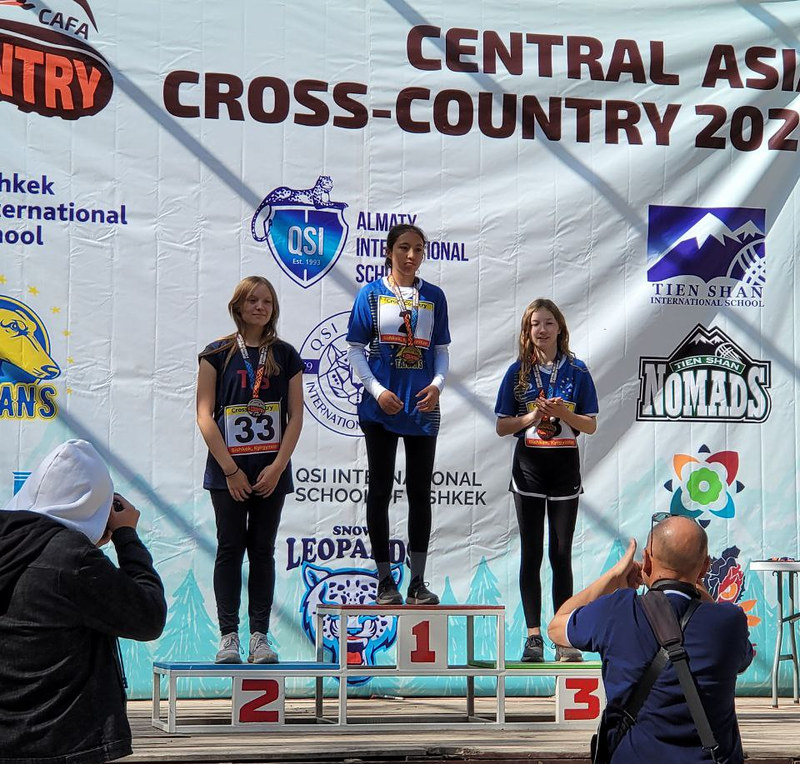
The host school, the Bishkek International School made a really nice video of the Central Asia Federation of Athletics, Arts and Activities (CAFA) Cross Country Running Championship last weekend. I captured this screenshot from the video which features both Oliver and Ocean. The four teams (U15 and U19) won 12 individual medals and 7 team medals. Below is the screen shot of Ocean’s medal ceremony.

I would like to thank BIS for hosting the event and providing such a good experience for our students! Below is the entire video which can be found on YouTube.

A Visit to the Chorsu Bazaar

The famous Chorsu Dome

Last Sunday Nadia and I went shopping in the Tashkent landmark, the Chorsu Bazaar. She needed some clothing material for a skirt her seamstress is making for her. I went along to help with the weekly grocery shopping. The Chorsu Bazaar is one of the largest markets in the city and the most famous. It is the heart of the old side of Tashkent. When the Russians captured Tashkent in 1865, they built a new section on the south side of the main canal and the north side was the old Tashkent. Chorsu is like the center of the old city. Next to the bazaar is the Kukeldash madrasa which dates back to around 1570. The next time I go I’ll check it out.

Nadia buys vegetables

Uzbek Travel has an informative historical piece on the Chorsu Bazaar. “Chorsu” means “4 waters” or confluence and it refers to the time when the city was divided into 4 dahas. Chorus was the meeting place of the leaders of the dahas. It is an appropriate name as people still gather here today to buy and sell an overwhelmingly vast array of goods, ranging from fruits and vegetables to carpets, kitchen appliances, clothes, etc.

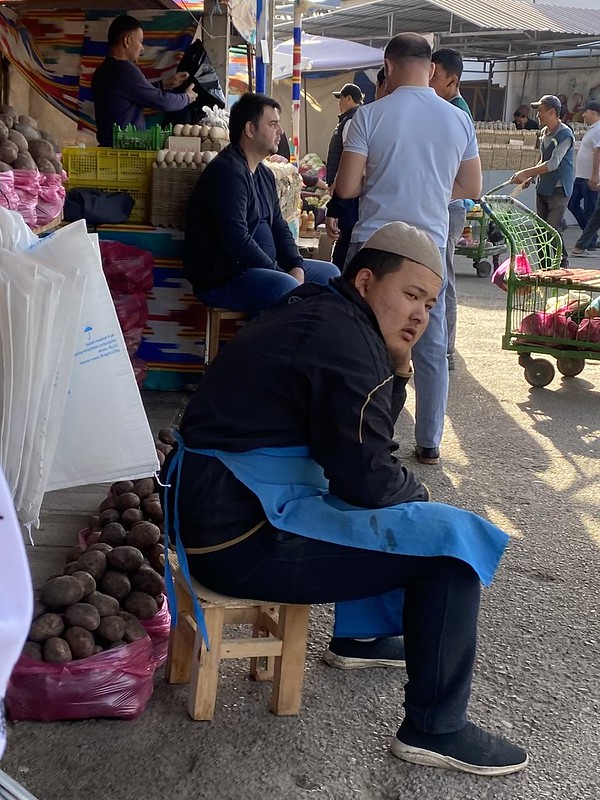
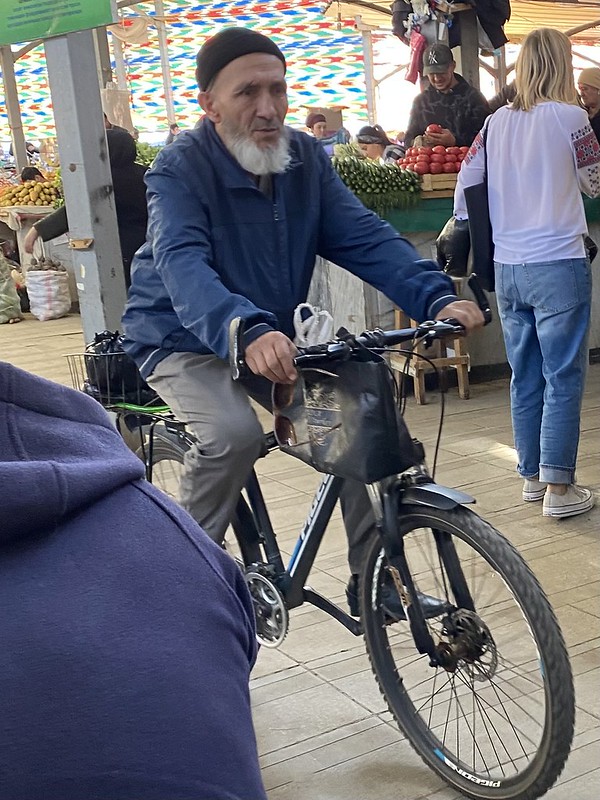
The market is vast and easy to get lost with many buildings and outdoor areas. It is part of the fun and one of the best places in the city for people-watching. There are always interesting characters and photo opportunities abound. We found the prices cheaper than in our neighborhood Mirabad Bazaar. The iconic blue dome was built in 1980 during the Soviet era and is an homage to the great domes of the Silk Road trading markets.

Chorus Bazaar

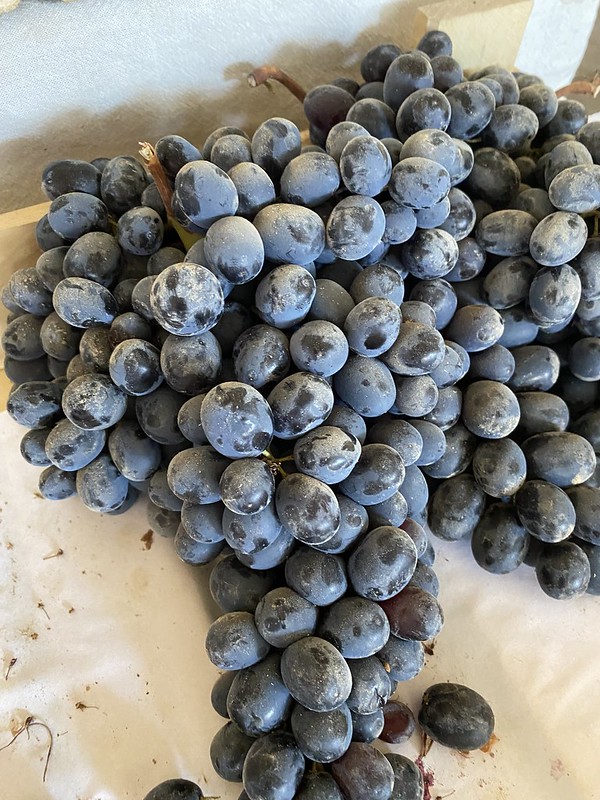
Uzbekistan has delicious table grapes. On sale, last weekend were two popular varieties, the Kish-Mish Kora (Black Kishmish) and the Rizamat. It is funny that a country with such outstanding table grapes does not produce excellent wines. There are many varieties and they are some of the juiciest and most tasty grapes I have ever tried. The dry climate and strong sun produces tasty fruits and vegatables.

It was a delightful afternoon of soaking up the sights and sounds of the Chorsu Bazaar. I think Nadia and I will try to make a point of going more often. It makes the mundane task of weekly grocery shopping “exotic”. This is one of the benefits of living internationally is experiences like purchasing goods in a market that dates back centuries. It also struck me the differences between the Russian and Uzbek sides of the city. One feels like Eastern Europe and the other feels like Asia. If you want to get the pulse of Tashkent, this is the place.

Family Journal: October 1-2, 2022

One of my favorite aspects of Uzbek culture is the choyxona or Tea House. These are restaurants that serve more than just tea but are designed in the traditional Central Asian manner. It is tradition for men to gather to talk and eat without interference from family or other concerns in trestle beds under trees and usually near a river or lake. Today’s modern choyxona are more like restaurants but they maintain private rooms with small tables and pillows for men to dine together. Some of the local guys at school organize occasional choyxona dinners and invite foreign employees to join them. We have a lot of laughs and eat a lot of food! On Friday, we went to Choyhona 25 in the north part of Tashkent. On the menu was lamb neck which I never had. It is a slow-cooked meal that is quite hardy. Of course, it is accompanied by vodka, and the evening’s choice was Anor (pomegranate in Uzbek) Vodka, which was 10 times distilled. A higher number of distillations means a higher quality of vodka. This is what Anthony Bourdain calls in this region, East meeting West. The Russian tradition of vodka with the Central Asian Tea House.

Oliver Taking His SAT

One of the advantages of being an educator is seeing more of your children at school. On Saturday I was checking the Multi-Purpose Room for sound at the start of the SAT exam. I snapped a photo of Oliver while walking through the space. He was in deep concentration and didn’t even notice me. The school is a College Board Testing Center and we were hosting a Terry Fox Run and I was concerned about noise from the run interfering with the test. It was quiet in the room and we were able to have both events run simultaneously. Nadia and I ran 5 kilometers in the Terry Fox Run, a Canadian charity event to raise funds for cancer research. Both of our families have been touched by cancer so it felt good that the school raised $800.

Nadia and I finish the TIS Terry Fox Run

It was Ocean’s birthday on September 26 and so after I got back from Finland, we took her out to Roni Pizza with her best friend Eleanor. It was funny that when the waiter learned it was Ocean’s birthday (he checked her ID) that he brought over 3 alcoholic drink shots for Ocean, Eleanor and Oliver to consume. Never mind they are 15, 15, and 17 years old respectively. These are the moments that remind me we live in a foreign country. Ocean is such a lovely young woman and we are so proud of how she is maturing and growing.

Ocean’s Birthday Dinner

Family Journal: October 8, 2022

Ocean Running in the Cross Country U15 Finals

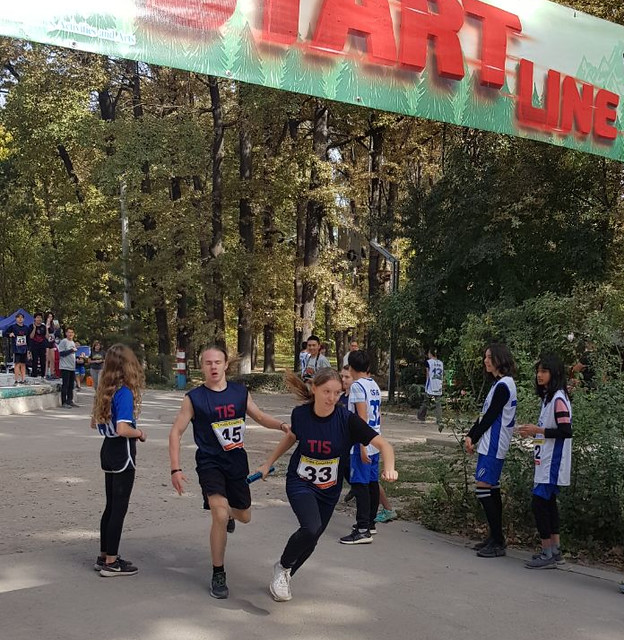
Ocean and Oliver left on Wednesday to run in the Central Asia Cross Country Championship 2022 in Bishkek, Kyrgyzstan. Ocean finished second in the Under-15 Girls competition and her coed relay team won the relay. Oliver, unfortunately, had an injured foot and was not able to run. I hope it will be healed in time for his soccer tournament next month. He went along with the team to support his teammates and with the possibility that he could run. I am so proud of Oliver and Ocean that they are cross-country runners. It is a good lifelong habit to have!

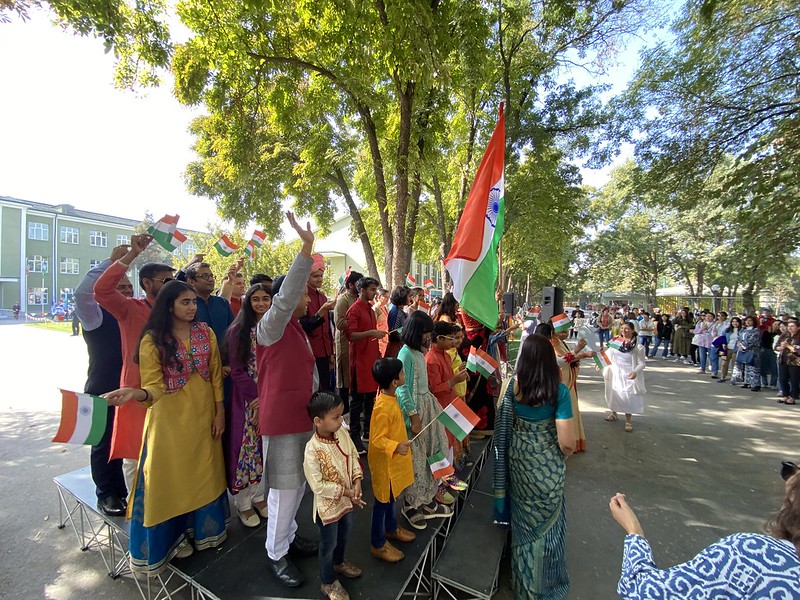
Nadia and I were not able to go because the school hosted our United Nations Day on Saturday. It is a huge event for the school and it went really well. I am amazed at the incredible number of different cultures we have at our school. There were over 40 nations represented in the parade on campus and the booths were amazing. I am fortunate to be working in such a rich, diverse community.

It was also special to watch international and Uzbek music legend Sevara Nazarkhan perform. We had many community groups perform and it made the atmosphere even more delightful.

Family Journal: September 10-11, 2022

Tashkent Humo vs. Astana Nomad

Nadia and I attended our first professional ice hockey game in Tashkent together. The Humo Hockey Club resumed play for the first time since the pandemic canceled the end of the 2019-2020 season. They play at the Humo Arena and it is an NHL-like experience with cheerleaders, music during breaks, Zamboni-machine, fan cam, etc. It is an excellent night out!

Humo is playing in the Kazakhstan Hockey League this year. In 2019-2020, they played in the VHL, the Superior Hockey League of Russia. The VHL is just below the top league in Russia. I guess with the war in Ukraine and the international sanctions against Russia, perhaps they chose to restart their club at a lower level. 

Humo played host to the Astana Nomads. It was an exciting game going into the third period with the Nomads leading 3-2. Humo put on a lot of pressure to find the equalizer but the Nomad goalie was stellar. Nomads scored an open net goal in the waining moments to give them the 4-2 win. It was the first homestead of the season and we hope to go to another game when they return next month. I’ll be posting updates of the league and we’ll see how the Humo do. 

We were looking to buy season tickets but they do not have that option. Single-game seats range from $5-$10 and a luxury box is about $50/person. I might rent out a luxury box for the Christmas Eve or Christmas game when my brother and his wife are visiting us. It would be a nice gift to give him! He is an avid Detroit Redwings fan. 

Nadia, Ocean, Oliver, Nicole, Tracey

We invited Oliver’s new girlfriend and her mother over for dinner on Friday night. She is a nice girl and a good influence on Oliver. 

Mosque Construction in our neighborhood

The mosque in the neighborhood behind the school is almost finished. I remember them starting it maybe a year ago and it is much larger and in the Uzbek style of mosque, white with blue tiles. 

Family Journal: Uzbek Independence Day Holiday (September 1-4, 2022)

I am catching up on posting journal entries on my blog from September.

Plenty of Flags Were Flying over the long weekend

Uzbekistan celebrated 31 years of independence on September 1 and we had a 4-day weekend to mark the occasion. We stayed in Tashkent for the break and I did a lot of exercise. I wanted to go see the fireworks on Thursday evening but there was too much traffic. My friend Mukhtor shared this video of the LED drone light show that took place downtown. Congratulations to Uzbekistan as it finds its identity after so many years as part of the Russian empire. 

Morning Cycle

On Saturday I rode with the “Geriatric Cycling Club” on a 73-kilometer loop from the Grand Mir Hotel to the outskirts of the city. We rode to the village of Chirchik and came back around to Tashkent via the new airport road. It is almost cotton harvest season in Uzbekistan and the cotton fields were white with cotton fibers. I went into the field and picked some cotton. Cotton is a big industry here in Uzbekistan and now that they are certified child-labor free, they can sell cotton and textiles to a wider market. Unfortunately, when the Soviets decided that Uzbekistan would be the cotton-producing region for the USSR, they did not take into account the dry climate. A lot of environmental damage from inefficient and overuse of water reserves in this desert climate. 

Cotton Ready to be Picked

One of our favorite stores in Tashkent is the leather and clothing store, Kanishka. Every time I go there I usually purchase something. This time I picked up a leather-covered journal I am using for my study of Russian. I like the fact that their clothes and accessories are Uzbek designed. They are also high quality and make perfect gifts for foreign family and friends. Malika Baratova describes the store perfectly, “Kanishka is one of Tashkent’s popular pioneering clothing brands. Since 2001, these locally-sourced and made accessories and garments have been catering to the self-expressions needs of fashionable youth, creatives, and those who want to support local production. Dedicated to natural and local materials such as cotton fabrics, leather, and pelts (typically sheep), their entire production cycle from raw material to finished item is completely in-house. The company employs more than 100 people in the production process, and no two items are identical. The cuts are updated once in a while, but the materials and prints change constantly – meaning you can often see the same item with two or three different looks!…One of the features that made Kanishka successful is the marriage of Uzbek and Central Asian ethnic motifs with utilitarian product forms. They also dip into rock’n’roll, popular culture, aesthetic movements like steampunk, art, and history. The nostalgia evoked by these designs is favored by both local Tashkenters and foreign guests. I always enjoy the tongue-in-cheek t-shirts sold by this brand, and the soft, light cotton is a big bonus for the local weather.Kanishka has two large stores, inspired by Socialist Modernist architecture.”

Bukhara Doors As Art Piece in Kanishka

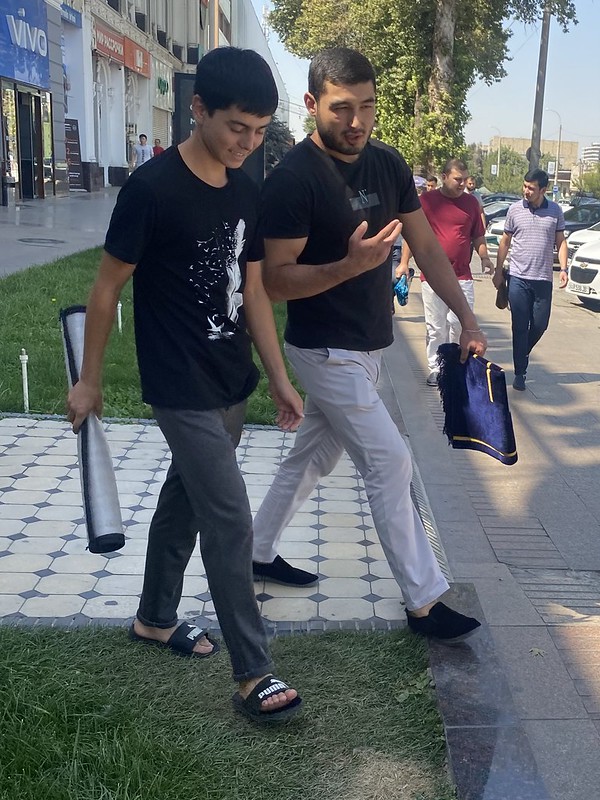
I took some photos of men heading to Friday prayer service at the Minor Mosque. Nadia and I took Obi for a walk/run along the canal. It was close to the 13:00 prayer time and so we encountered the crowds of men coming and going into the mosque. I didn’t realize that women are not allowed to attend the mosque prayer sessions. There are always police directing traffic and controlling parking during these times. There are lots of mosques under construction in the city and from what I notice, it is necessary. The crowds of the faithful spill over to outside the mosque. 

On Sunday, we had our last game of tennis with the outgoing US Ambassador to Uzbekistan, Daniel Rosenblum. For the past three years, we’ve played many times at the Olympic Tennis School. A group of us regularly plays on weekend mornings and it is such a delightful way to start a Saturday or Sunday. All of us are pretty much at the same level (intermediate) so the games are competitive whether we play singles or doubles. Lots of laughs and exercise on the grounds of the Olympic Tennis School. Ambassador Rosenblum is a great guy and down-to-earth and our group will miss him. He will be taking up the ambassadorship in neighboring Kazakhstan later this autumn. 

Bill, Nadia, Steve, Ambassador Rosenblum

Impressions of Helsinki

Gulf of Finland – Särkinienem Puisto

I recently travelled ot Helsinki, Finland to attend the Central and Eastern European Schools Association directors meetings. It was my second time in the city, the last being 13 years ago. I have also been to Copenhagen, Denmark and Helsingborg, Sweden. Scandanavia is one of my favorite places to visit.

Finland has a special significance for me because my adopted mother was a 100% Finnish-American. Her maiden name was Heikkila which means coming from the household of “Heikki” or “Henry” the patron saint of Finland. Her mother’s maiden name was Laitinen, a common surname from eastern and central Finland. The Upper Peninsula of Michigan where her grandfather immigrated has many people of Finnish ancestry. I think the Finns came to the Upper Midwest and the Great Lakes region of America because of the similar climate and topography. If it was today, I wonder if they would choose a warmer climate like Florida or Arizona. 🙂

My first impression of the city is how active and outdoors-oriented are the Finns. It puts American cities to shame. There were bike lanes all throughout the city and people were walking everywhere. There are lots of parks and well-developed public spaces. It reminded me of an advanced, better-funded, city version of Marquette. I rented a bike from Stadi Bicycle after our meetings on Friday and had time to complete the entire Helsinki Inner City Water Front loop. The ride is a beautiful mix of scenery with historic buildings, coastline, parks, apartment blocks and forests. Most American cities by contrast are designed for cars with no sidewalks or bike trails.

Clarion Hotel in Jätkäsaari

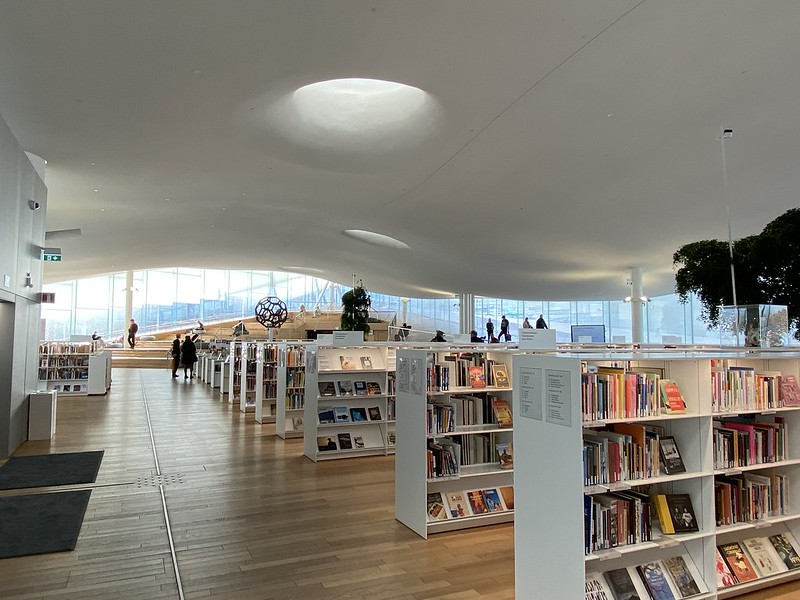
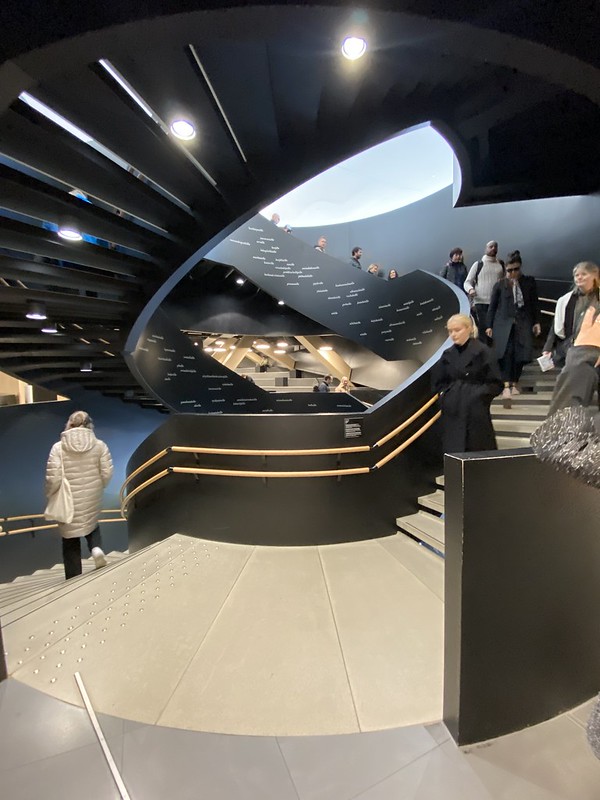
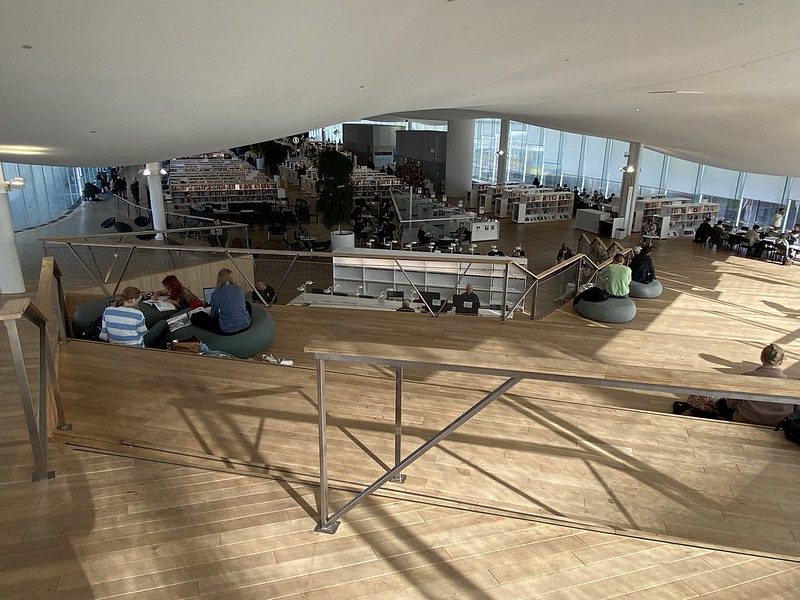
The city also excels in the “third places”. This is a concept of places for people to spend time that are not home or work. People in America spend too much time at home or work because the third places (public parks, libraries, etc.) are not developed. Taxes are extremely high in Finland but you can see your taxes at work. There were many well-maintained parks with soccer fields, beaches, and playgrounds. We toured the award winning designed Oodi (Ode in English, as is Ode to Joy) Central Library. It is an amazing 3-story building in the shape of a ship. It is modern library with recording studios, 3-D printing labs, sewing machines and poster-making machines, besides book. The central swirling staircase is an architectural gem with words suggested by the public. I chose the word höpöttäjille for our guide to translate because it had a lot of dots over the vowels. It means “people who babble”. The Finnish language, like its relative the Hungarian, is a complicated language with lots of long words. I love libraries and the amount of planning that went into this one is impressive. It was quite busy on a Saturday morning.

The Finns spoke to me in Finnish first, I guess assuming I was Finnish. Everyone spoke fluent English so no problems getting around. I noticed the women wore too much makeup, which was unexpected. I thought living in a country with not much sun, that they would have smooth skin and not need makeup. Scandanavians excel at architecture and design. We toured the International School of Helsinki and I saw the elements of light, nature, and space that makes places feel calm.

Selfie during a walk in Helsinki

I would definitely like to live in Finland and would like to travel to the far north of the country. Lapland is on my bucket list. I love nordic skiing and I think this would get me through the long, dark winters. It would also remind me of my childhood growing up in Michigan’s Upper Peninsula.

Suburban Helsinki

Latest Reading: Philip Kerr’s “Prussian Blue”

I enjoy reading historical fiction and detective novels, and Philip Kerr’s Prussian Blue hits both genres. Philip Kerr was a British author who died in 2018 from bladder cancer. He wrote 14 historical thrillers in the detective Bernie Gunther series. Prussian Blue was longlisted for the Walter Scott Prize, a British Literary Award for historical fiction in 2018. The novel soothed my racing mind in the evenings and allowed me to focus on the plot and characters, putting me to sleep.

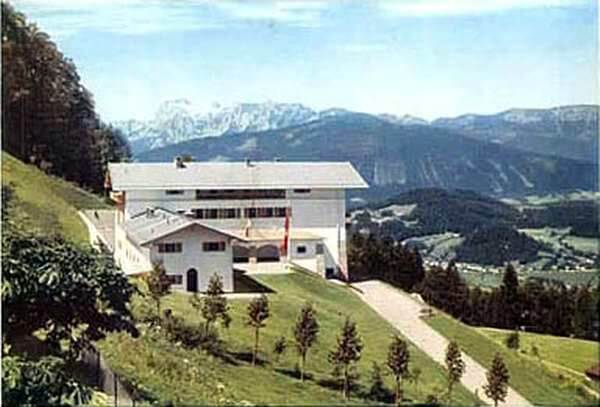
The Berghof, circa 1936

The book is set in Hitler’s Bavarian Alps retreat, Berghof. It is 1939, months before Germany invades Poland and a murder occurs on the veranda of the Berghof. Bernie Gunther is a Berlin detective that is sent there to solve the crime before Hitler’s 50th birthday party, which is scheduled to take place at the Berghof in a couple of weeks. There are a lot of villainous, greedy Nazis leaders doing unsavory things in and around the retreat. Gunther is an outsider, but a respected detective. Kerr either did a lot of research and/or lived in Germany because as a reader, I felt I was following the story from German eyes. Kerr has attention to detail and one of the highlights for me was learning the mistrust Hitler and his party had for Germans from Berlin. Hitler’s henchman and his base of operations were mostly in Bavaria. It would have been fascinating if the place was kept as a museum, but in some ways, it is good that it was destroyed. I love this photo of American troops celebrating in the ruins of the Berghof. So many lost lives, both German and American were planned in Berghof.

The 7th Infantry Regiment attached to the 3rd Infantry Division drink Hitler’s wine on the patio of the Berghof, below the Eagle’s Nest. 
Public Domain

The book jumps between the murder investigation in 1939, the height of the National Socialist Party’s power in Germany, and 1956 when Bernie Gunther is being harassed by the East German Secret Police, the Stasi. The stories in both times have much action, murder, chase scenes, etc. I thoroughly enjoyed reading Prussian Blue.