We completed our summer holidays helping Oliver prepare to be on his own. It is heartbreaking to leave behind another of our children! The house is so quiet now with only one child left. 😦 We had a great final day in Caspian with our son Oliver. He is not coming back with us and it was strange to only have Ocean, Nadia, and I traveling. It was a busy final day.
Drinks with Vicky and Rocko
In the morning Oliver and I dropped off a truckload of junk at Waste Management. We continue renovating and cleaning the house. We still have a long way to go, but clearing a couple of rooms felt good. Ocean and I did errands in town, including closing one of our bank accounts and donating clothes to Saint Vincent DePaul, the local Catholic Goodwill store. It is depressing to see all of the second-hand stores, closed businesses, and dilapidated homes that are signs of depopulation and economic decline. Iron River and Caspian are much different towns from the one I grew up in, in the 1970s and 1980s. I wonder if the area will ever return to its economic zenith when the iron ore mines were working and small manufacturing businesses were able to be profitable.
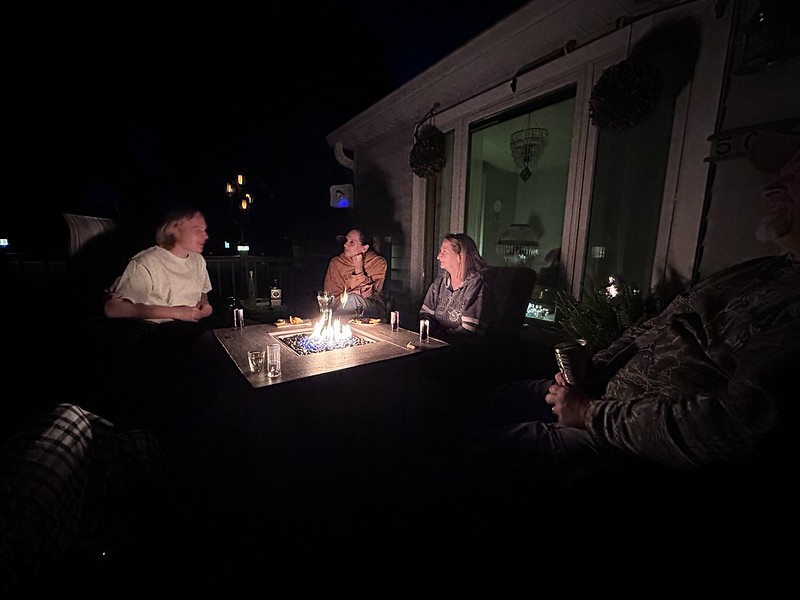
Nadia and I went grocery shopping with Oliver. His aunt and uncle are coming tomorrow and his brother will be back in the UP on Saturday. We had a nice final night having drinks with our neighbors, Vicky and Rocko. It brought back memories of my neighborhood when I was a child. The neighbors were like family and without internet and modern digital entertainment, we spent a lot of time together.
Thanks to my brother Jim for taking bags to KI Sawyer Airport
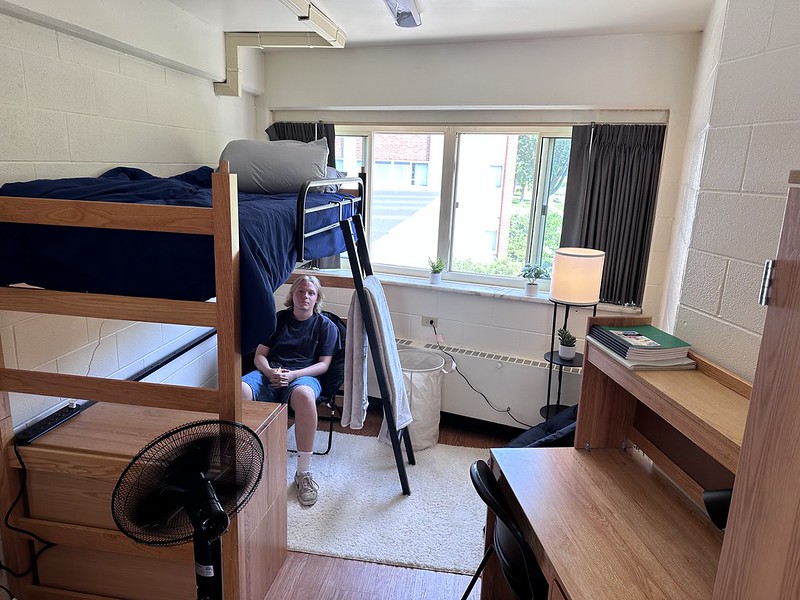
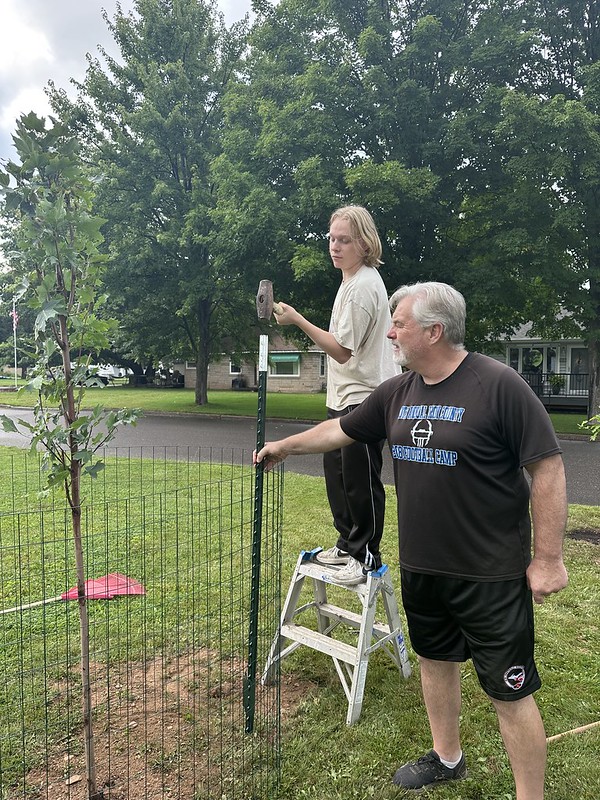
We also improved the protection around the trees in the front yard. Oliver and Andy will plant the fourth tree when it arrives. Earlier in the week we set up Oliver’s room at St. Norbert College in DePere, Wisconsin. They were kind to allow us in there before moving day because we will not be there on the official moving day.
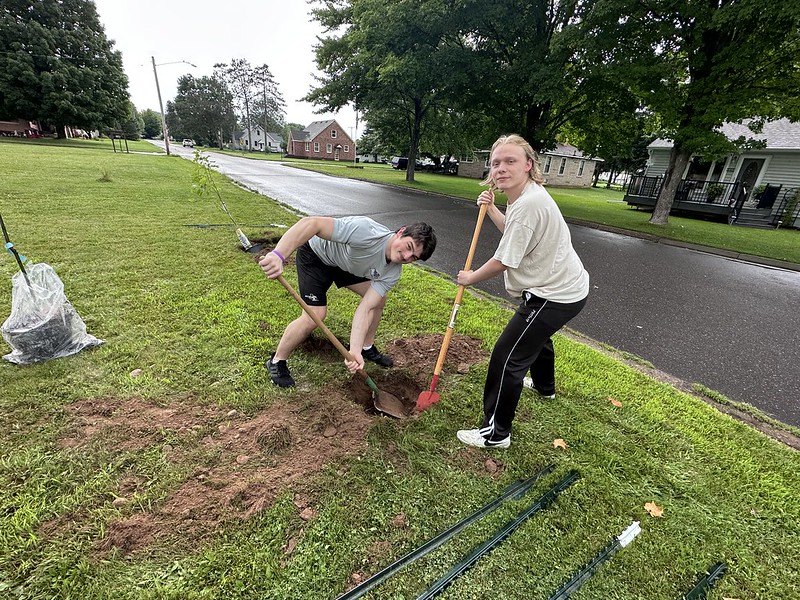
We planted three trees yesterday in our front yard. Two Northern Red Oaks (Quercas rubra), a type of Oak that can withstand the colder temperatures of Michigan’s Upper Peninsula. My village of Caspian is located at 46 degrees north latitude. I also planted one Sugar Maple (Acer saccharum). This was the first time doing this and I would probably give us a grade of “C”. The western Upper Peninsula ground is quite rocky and it was difficult to pound the poles into the soil. We need to protect the trees with fencing because deer will eat the young leaves. I am curious to see if they will survive and for how long. Hopefully, my children and grandchildren will enjoy the shade and autumn color they will provide and wildlife will be sustained by the trees fruits and seeds.
Oliver and Uncle Jimmer
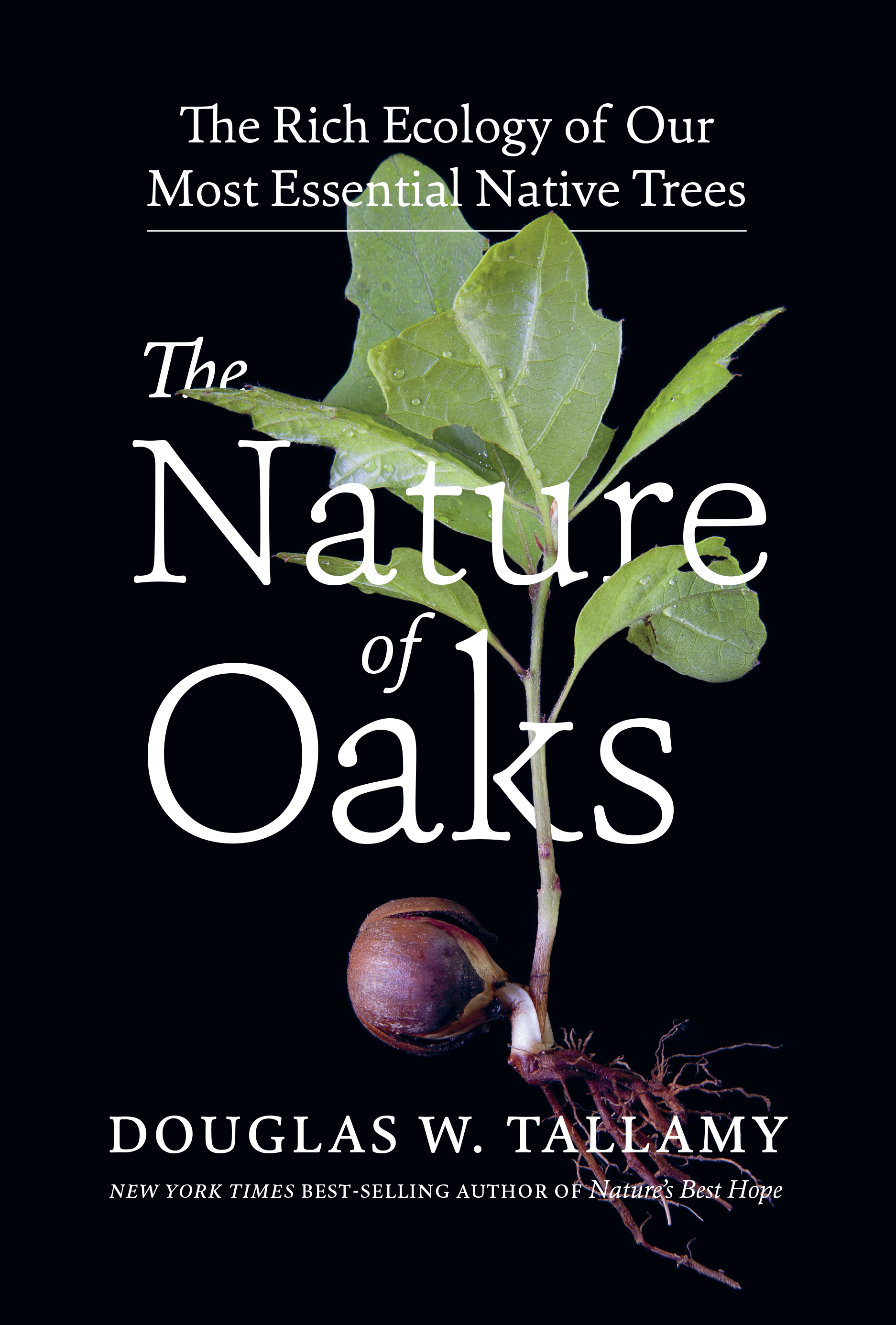
Douglas Tallamy, a professor of Entomology and Wildlife Ecology at the University of Delaware’s book “The Nature of Oaks: The Rich Ecology of our Most Essential Native Trees” really opened my eyes to how homeowners can improve habitat in their gardens and yards to support wildlife. Humans have greatly damaged the ecology of North America, especially after European settlement. The cutting down of forests, extinction of large animals (mastodons, ground sloths), and importing non-native species have devastated nature.
The tree genus of Oaks, Quercus, is one of the most woody genera in the Northern Hemisphere. They are famous for being huge, long-lived, and having the distinctive cup fruit, the acorn. There are around 300 species worldwide, with 90 oak species in North America and 14 oaks native to Michigan.
Professor Tallamy concentrates on promoting property owners to plant native plant species to help the web of life. His research counts caterpillars and other insects on native vs. invasive species and found that today’s North America provides only 4% of the food for insects than it did at the time of the European arrival. Tallamy advised planting more than one oak tree so the roots can support each other and not get knocked down in the high winds of the summer storms. He also advises not to plant older trees because they don’t establish roots well. I am planting a young and an older tree and hope that both make it. Finally, he asked owners to plant native plants and shrubs under oaks and keep the leaf litter on the ground. Homeowners usually sweep or burn the leaves to preserve their lawns (Americans love lawns), but actually, this is a sterile environment for insects. Insects provide food for birds and other animals, so fewer plants means fewer insects and fewer insects means fewer birds. Below are other things I learned from the book.
Periodically, all oak trees in a region will produce an incredibly huge number of acorns in the same year. This is called “masting” and ecologists speculate that every so often, oaks put their energy towards acorn production instead of growth. The idea is wildlife cannot possibly eat all the acorns and so more young oaks will develop roots and start growing.
Cicadas have 13-year and 17-year life cycles partly because as larvae, they eat xylem in tree roots which has a low nutritional content. If they ate phloem, they would not have this problem. Trees transport nutrients through the phloem and only a bit of nitrogen and water through the xylem. The long periods between adult cicadas being abundant prevents predators to specialize on cicadas.
Oaks mostly maintain their dead leaves on trees in the winter. This phenomenon is called marcescence and is thought to be beneficial by protecting young buds in the spring.
The percentage of oaks in eastern North American forests has dropped from 55% pre-European settlement to 25% today.
Eastern forests were less dense before Pleistocene mammals were hunted to extinction by indigenous people. Today’s suburban landscapes mimic this savannah and mixed forest landscape.
I never thought that when the glaciers retreated and the temperate zone offered a huge amount of insects, this drove birds to develop the habit of migrating north to take advantage of this food source. Human development has lessened this.
“Healthy oaks will grow for 300 years, maintain a stasis between new growth and canopy loss for the next 300 years, and then decline for 300 years or more. During each one of those 900 years, these magnificent plans are making outsized ecological contributions to the life around them.”
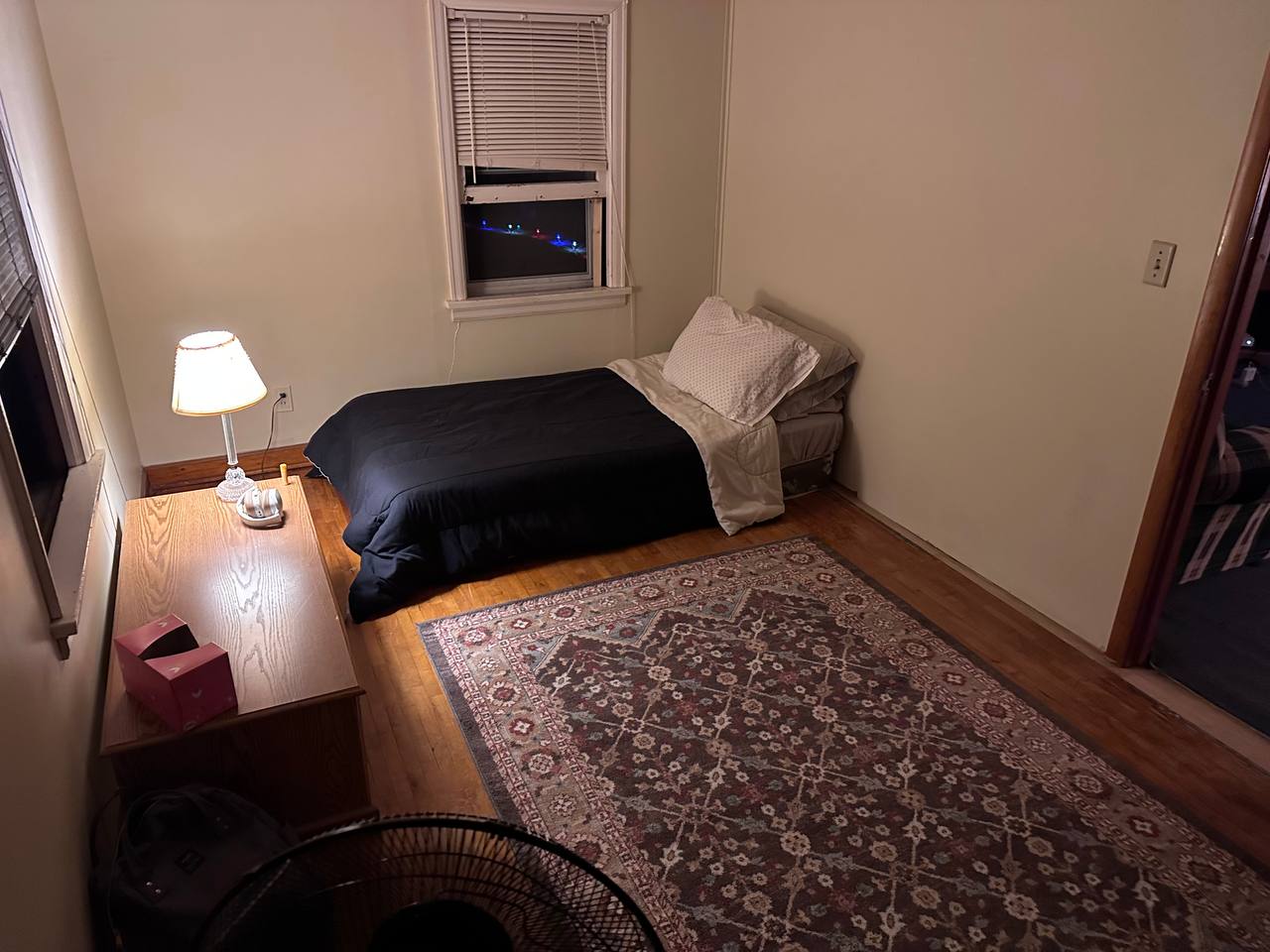
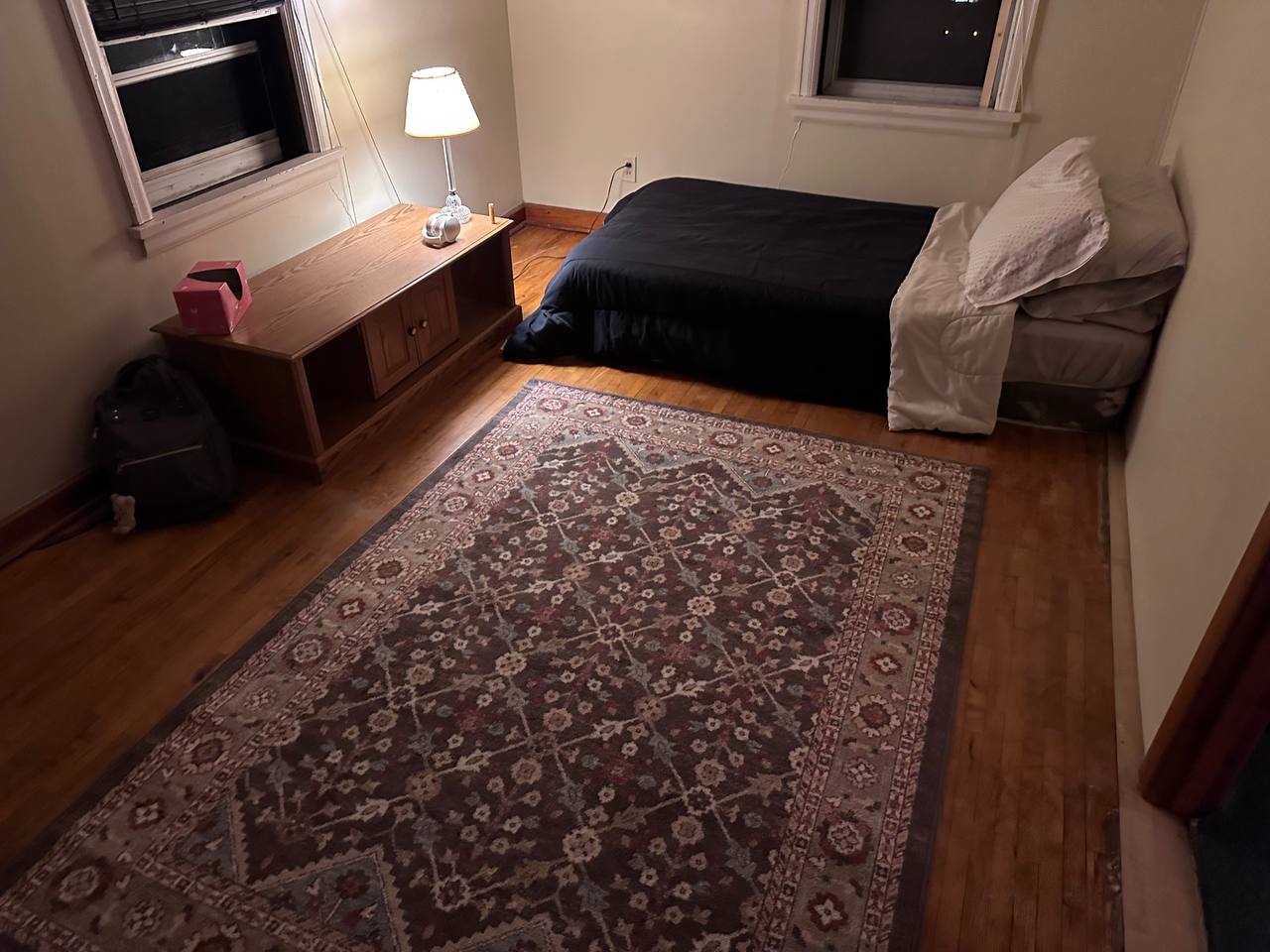
We spent most of the day improving my childhood home in Caspian, Michigan. Our big goal for the day was refurbishing my brother Jimmer’s former bedroom. I remember when my dad created that bedroom for him on the second floor, probably around 1978 or 1979. Jimmer and I slept in bunk beds (me on the top bunk) on the ground floor when we were little. I moved upstairs I think in grade 6 or so. The second floor originally was a separate apartment when my parents first bought the house with a kitchen, bedroom, bathroom, and living room. My dad converted the kitchen into a larger living room and added a wall to create a bedroom for him to join his big brother on the second floor. This also created space for my youngest brother, Andy, to occupy our former bedroom on the ground floor.
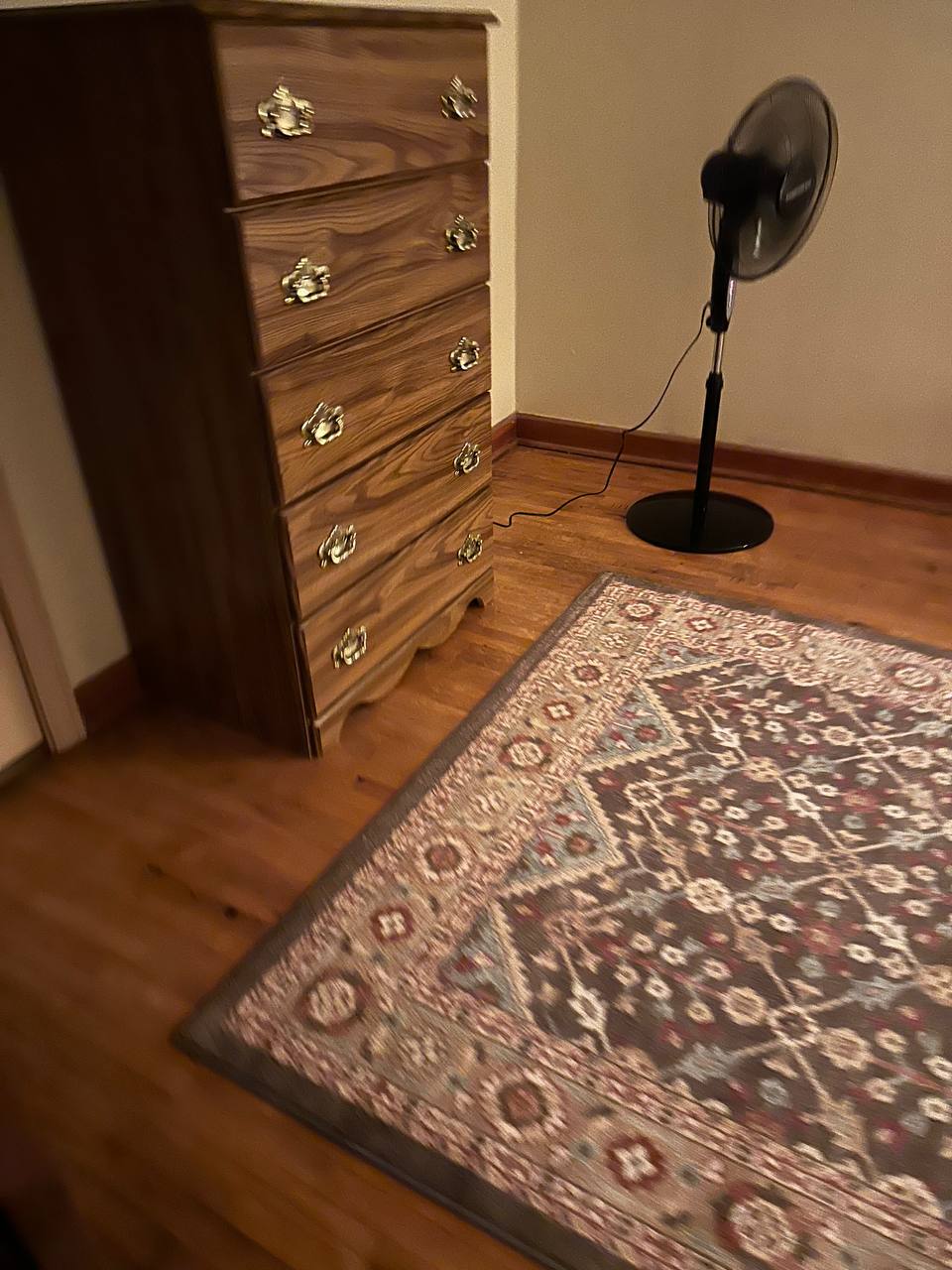
Jimmer’s former bedroom was basically used for storage. We hauled out an old television and furniture stand, an old futon couch, lots of clothes, a filing cabinet, etc. Some of the items will be dumped at Waste Management on Wednesday, the clothes donated to Goodwill Store, and the rest was stored in our basement. I found my vintage 1973 Scooby Doo Lunch Box which I’ll give to a friend to sell on E Bay. We took out the old carpeting, removed old glue and carpeting, mopped the floor, and painted the room. Nadia and I went to Home Depot for supplies and Walmart for an area rug. We should have taken a before photo, but in the cleaning frenzy, we didn’t do it. Ocean now has a bit of privacy and we have an extra room where someone can stay. Prior to this, we put mattresses in the living room. Much better!
For another project, Oliver and I removed a portion of the old basketball court concrete between our house and the garage. We found a place to dispose of the large concrete chunks. We also replaced it with top soil and turf and bought a Northern Red Oak tree to plant nearby. I ordered another Northern Red Oak , a Sugar Maple, and an Eastern White Pine, the state tree of Michigan, to plant. They should arrive this week.
We are slowly improving the house over time. I would like to use it as one of my retirement homes. It holds so many fond memories of my youth and my family. Caspian is so quiet and peaceful as well. The UP is boring for teenagers and young adults, but for families with young children and old people, it is great. I want to put the planned projects we are thinking about before I forget. I don’t think we’ll be back here next summer.
porch ideasporch ideasporch ideas
Renovate the second-floor bathroom. Buy a new toilet and sink, install vinyl flooring, and figure out what to do with the old bathtub, a second shower would be great. The plumbing probably needs to be replaced and this could be an expensive renovation.
Remove the carpeting on the second-floor living room to expose the wood floors underneath. Replace the couch, too and install 4 new windows.
Build indoor/outdoor back and front porches to create two more quiet spaces on the ground floor.
Install vinyl flooring in the kitchen and dining room on the ground floor.
Remove the rest of the old basketball court, plant trees, and put in a picnic table and fire pit.
There is so much more that needs to be done. We still have about 4 or-5 large dumpsters worth of old stuff that needs to be removed. My goal is to create a comfortable place that we can use for family gatherings with the grandchildren. Right now it has four bedrooms and with the two porches, it could have 6 bedrooms.
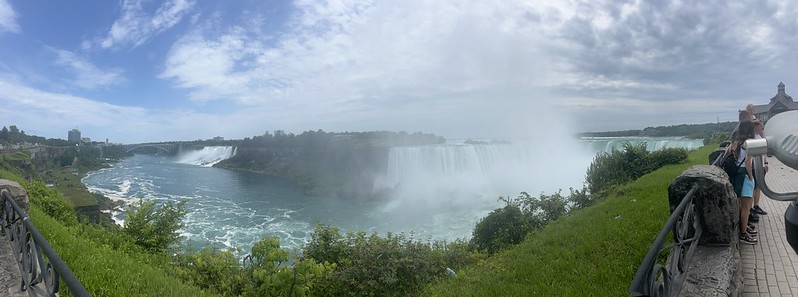
We drove from Ellicottville, New York, a small town 45 minutes south of Buffalo, New York, to Caspian, Michigan on the final day of our road trip. We decided to take the northern route from DC and drive through southern Ontario, Canada. It was cool to cross Rainbow Bridge between Buffalo and Niagra Falls. I was disappointed with Niagra Falls. Not that they were not beautiful and powerful, but the tourism development around the falls was sickening to me. The street right next to the falls is filled with hotels and casinos with rooms overlooking the river. There were also hundreds of classic tourist attractions (Ripley’s Believe or Not Museum, Wax Museum, Amusement Rides, etc.) Tourists look like hundreds ants going down the side of the falls and going under the falls in packed boats. I think officials could have done it better by making it more of a natural experience with preserving the wilderness on the banks with hiking trails. Instead, they went with making as much money as they could and turning it into a Disney like experience.
We stopped by to use the internet, our phone plan did not work in Canada, and see the falls. We didn’t want to fight the crowds and pay for parking so we just drove along the falls and stopped for some quick photos. I really enjoyed watching Oliver learn how to use an actual paper map. We picked it up at the tourist information center because we didn’t have a GPS. Something is lost with GPS and it was comforting to use a map again.
I hadn’t been through downstate Michigan in about 25 years. We drove from Port Huron to the Mackinaw Bridge. It felt good to come back to the UP. The severe high temperatures and humidity of Virginia was replaced by the cool breezes and cold air of northern Michigan! I loved having a second driver in my son Oliver who is learning to drive. We made it back safely, arriving at 2:00 AM on Thursday morning.
My nation’s capital is a center of wealth and power in this country. There are a lot of excellent people and brain power in the 6.6 million metropolitan area. It was designed to impress and it makes me think what Rome would have looked like at the height of its empire. I would like to thank our Michigan Representative from District #1, Jack Bergman, for giving my son the opportunity to be an intern this summer. DC is also one of the few cities in the USA that has a train system that the majority of people use. Because parking is limited and expensive and there is a lot of traffic, upper middle-class people take buses and trains into the district for work. Most people live in Maryland or Virginia because of limited homes and the cost of real estate.
US Capitol South StationOliver and Nadia on the ‘blue line’
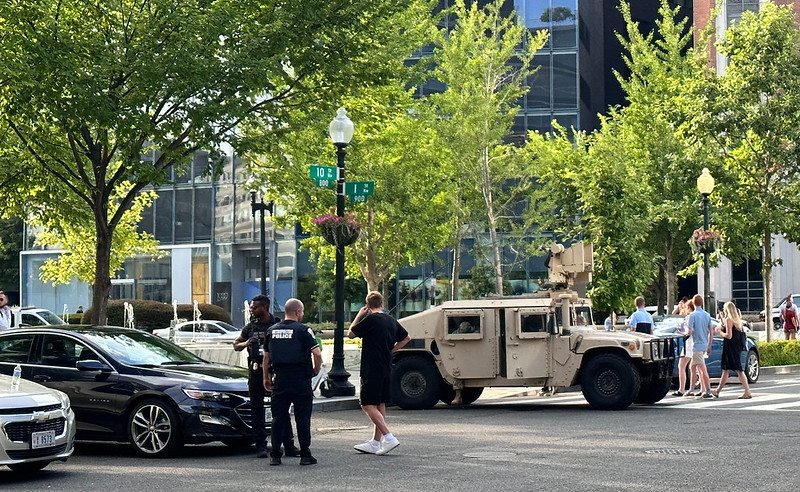
While we were there everyone was talking about the NATO Summit that was taking place in the city. It is the 75th anniversary of NATO and with the ongoing war in Ukraine, it was an important meeting. Security was tight with many blocked streets and a security presence, including military helicopters. As you can see in the photos below, they were still screening people and had lots of barriers up around where delegates were meeting.
We stayed at the Grand Hyatt located in downtown Washington DC. We were very close to the White House and Capitol so Owen stayed with us in the hotel room. It was so nice to have all five of us sleeping in the same room again, like old times! I felt so proud to meet Owen in the lobby of the magnificent hotel and see him with his tie and briefcase. I am happy that our family got to experience Washington DC and we hope to go back again sometime.
It is always sad to say goodbye to family, especially our children. Our oldest son Owen is completing an internship this summer for our Michigan Representative in the House. We only had a week to see him and tried to spend as much time as possible with him and making his last couple of weeks there comfortable. Nadia and I are proud of the progress he is making in his maturity and this has been a valuable experience for him.
We spent our final day together playing tennis at Kings Park Park on an extremely hot day. We then went back to his accomodations and prepped the car for the long drive back. It was special to have my Uncle Jack with us who came down from Pennsylvania to see us. He is super organized and helped us with Owen’s flights and accomodations. The night before we went to the movie A Quiet Place: Day One at the Regent Cinemas in Springfield. The movie was entertaining but not special. We all wish they would have given us more details on the alien invaders and how humans survive them instead of just focusing on a small group of individuals.
Nadia wanted to do a classic Americana summer road trip. The USA is a huge country, tied with China for the third largest in the world by area. My current resident country is Uzbekistan ranked #56 in the world. 21 Uzbekistans could fit into the USA. Mylifelsewhere.com has a nice feature to compare the sizes of places. Below is a map of Uzbekistan superimposed on Michigan, my home state. We drove from my hometown in the western part of the Upper Peninsula of Michigan (the “rabbit” shape above Wisconsin) to Washington DC and back. The light blue line was our route from Caspian, Michigan to Washington DC and the orange route was our way back. As I write this blog post, I sit in the Wyndham Hotel in Ellicottville, New York, 45 miles south of Buffalo, New York.
Kralovec Family Road Trip – Summer 2024
We first stopped in Green Bay, Wisconsin for two nights to see Saint Norbert College in DePere, Wisconsin. Oliver will be attending SNC next month and we wanted to visit the campus. I’ll blog more about that later. We then drove to Huron, Ohio to rest before completing the drive to DC. We ran into a lot of traffic going around Chicago and tropical depression Beryl caused a steady rain most of the day. We planned on taking a break at the Indiana Dunes National Park. The 15 miles of “protected” Lake Michigan coastline was pleasant, but not as spectacular as the Pictured Rocks National Lakeshore or Sleeping Bear Sand Dunes, two other protected areas on the Great Lakes. The city of Gary and the rest of northern Indiana is industrial and poor so I guess having a national park there gives locals a cheap summer holiday. I wouldn’t recommend going, however. It looked like the beaches of Singapore, with refineries, ports, and steel mills seen prominently in the distance on both sides of the park.
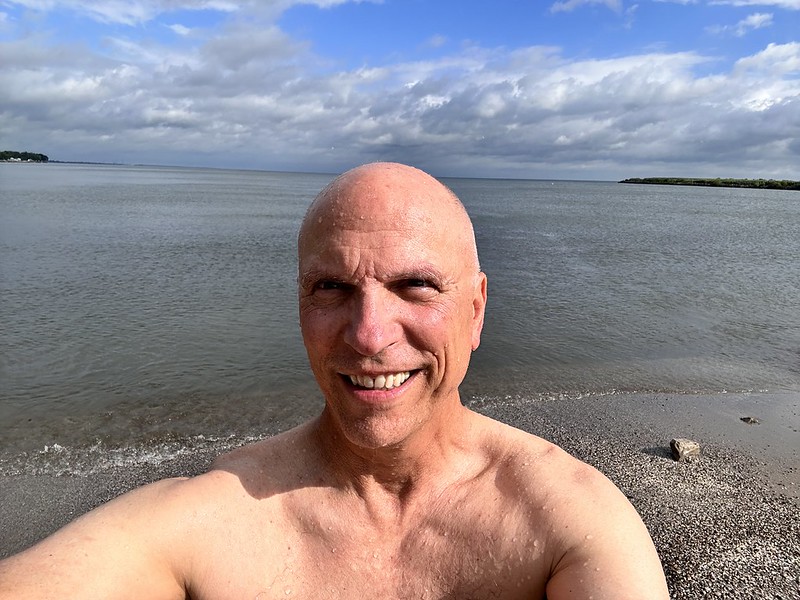
Lake Erie SwimHuron River LighthouseHuron, Ohio at Night
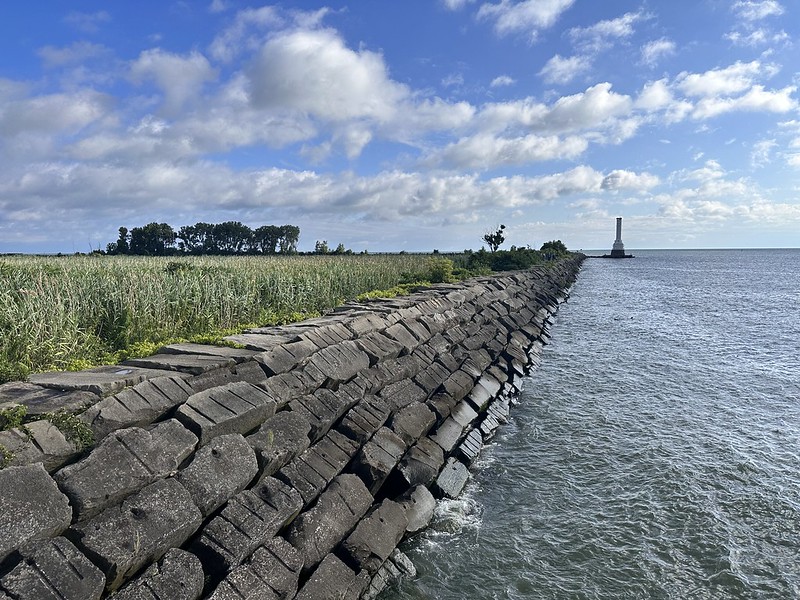
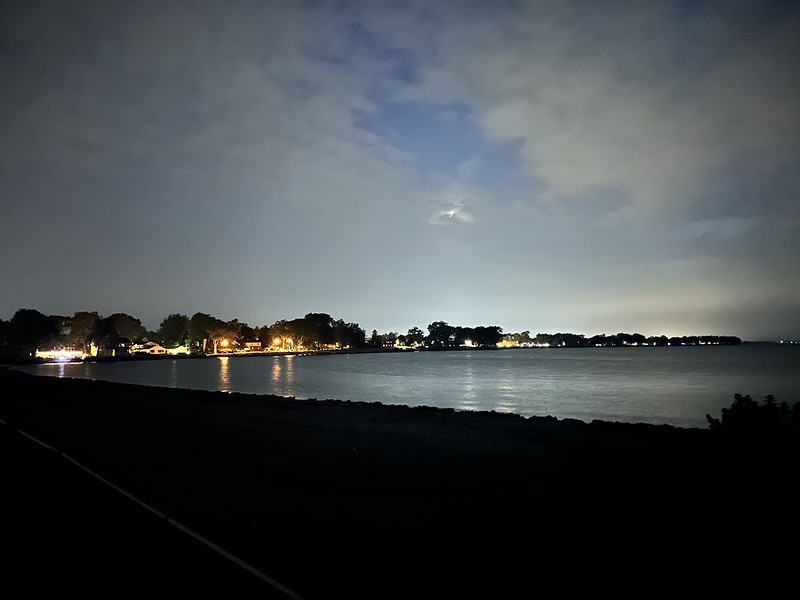
I had a delightful evening walk and morning swim in the small town of Huron, Ohio. I love the Great Lakes and I don’t think I ever swam in Lake Erie. Huron gets its name from the 15-mile river that empties into Lake Erie. Like many small towns in America, it has seen better days economically. The interstate system eliminated tourists driving through the town. City officials developed a marina and have plans to do more with the waterfront. The city has lost 14% of its population since the turn of the century. It is a pleasant place to hang out for the day, however, and much quieter than nearby Sandusky, Ohio, home to a Jersey Shore-style amusement park. The rest of the drive was uneventful, with the one observation that Pennsylvania is much more beautiful than neighboring Ohio and Indiana. The Appalachian Mountains create pretty views of the valleys and forested hills which are lacking in Ohio.
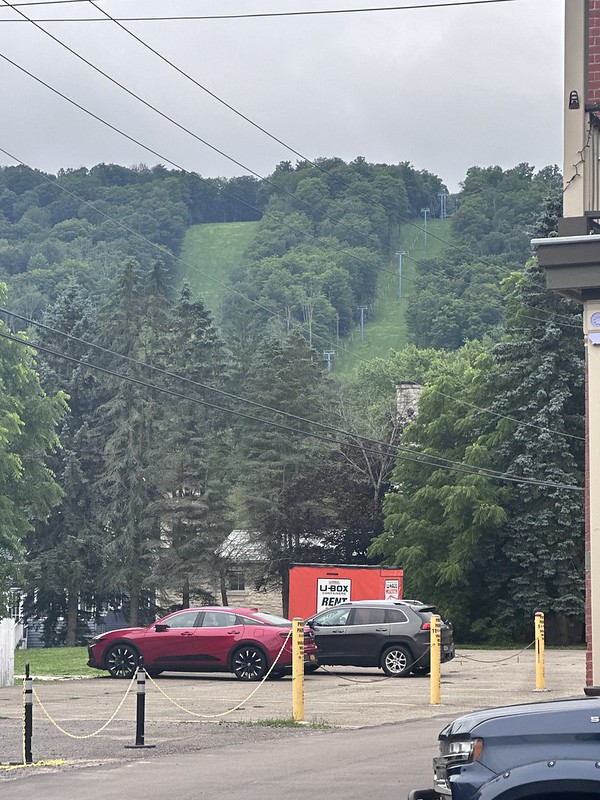
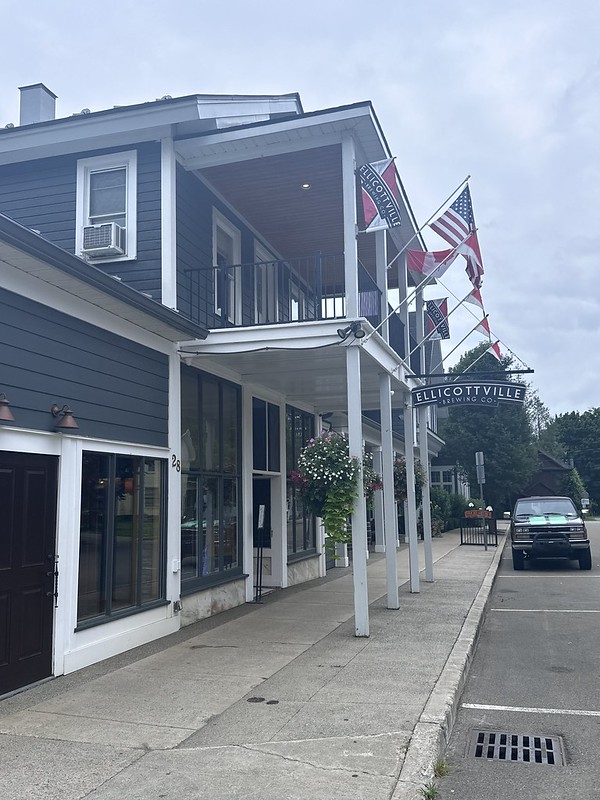
On the way back we stopped in Ellicottville, New York for the night. This is my first time in upstate New York and I wanted to compare it to the Upper Peninsula of Michigan. It looks similar although it is much more busy than the more remote UP. Elliotcotville has a nice ski resort right outside the quaint downtown and I read where property values have risen due to Canadians from Toronto buying vacation homes. It is only 45 minutes south of Buffalo, New York, home of the NFL’s Buffalo Bills. I’ll report more on the trip when we return to Marquette.
Washington DC is an amazing city and one of the major seats of power in the USA. I got to see a bit of the movers and shakers in the city when we visited the McChrystal Group during our the Leadership Possibilities and Paradoxes Project sponsored by the US State Department. We read former General Stanley McChrystal’s book, Team of Teams, and got the opportunity to discuss the book at their headquarters in their headquarters in Alexandria, Virginia and receive a presentation by one of their consultants.
After retiring from military service, McChrystal started a business management consulting firm that helps companies collaborate better. They work mostly with larger companies like petroleum companies and large pharmaceutical companies. It was nice to get to experience this as a leader of a non-profit. They were great hosts and it was a fascinating glimpse into the world of the military and of high-powered, executive consulting services.
The experiences of leading the Joint Special Operations Task Force in Iraq and Afghanistan are much different than leading a K-12 international school learning community. However, working with people and solving complex problems in ever-changing environments is the same. The idea of a leader as gardener resonated with us and it is funny that a leader whose main goal is to kill enemy combatants, takes a nurturing approach to managing people, the same as a school. We had a long conversation about the Team of Teams (I blogged about it on my professional blog “Global School Leadership”. Looking back at my life, I would have liked to have had a military experience after college as I was immature and I think it would have helped me develop faster.
Washington DC is full of great restaurants
My major takeaway from the experience besides all of good ideas for leadership was to focus on my physical fitness and body. I strongly believe that a healthy body improves my thinking and empathy. Professor John reminded me of Thomas Jefferson’s take on this. Jefferson is right that ball games at my age are risky, but the idea of moving daily for 2 hours is good advice. For me its 1 hour of yoga and 1 hour of walking my dog, jogging, or lifting weights. I am setting a goal for next year to be more active.
1785 August 19. (Jefferson to Peter Carr). “Encourage all your virtuous dispositions, and exercise them whenever an opportunity arises, being assured that they will gain strength by exercise as a limb of the body does, and that exercise will make them habitual. … Give about two of them [hours] every day to exercise; for health must not be sacrificed to learning. A strong body makes the mind strong. As to the species of exercise, I advise the gun. While this gives a moderate exercise to the body, it gives boldness, enterprize, and independance to the mind. Games played with the ball and others of that nature, are too violent for the body and stamp no character on the mind. Let your gun therefore be the constant companion of your walks. Never think of taking a book with you. The object of walking is to relax the mind. You should therefore not permit yourself even to think while you walk. But divert your attention by the objects surrounding you. Walking is the best possible exercise. Habituate yourself to walk very far. The Europeans value themselves on having subdued the horse to the uses of man. But I doubt whether we have not lost more than we have gained by the use of this animal. No one has occasioned so much the degeneracy of the human body. An Indian goes on foot nearly as far in a day, for a long journey, as an enfeebled white does on his horse, and he will tire the best horses. There is no habit you will value so much as that of walking far without fatigue. I would advise you to take your exercise in the afternoon. Not because it is the best time for exercise for certainly it is not: but because it is the best time to spare from your studies; and habit will soon reconcile it to health, and render it nearly as useful as if you gave to that the more precious hours of the day. A little walk of half an hour in the morning when you first rise is adviseable also. It shakes off sleep, and produces other good effects in the animal œconomy.” https://www.monticello.org/research-education/thomas-jefferson-encyclopedia/exercise/#fn
McChrystal is devoted to fitness and he looked great for age 69. He surprised us by coming into the office at the end of our time in their headquarters.
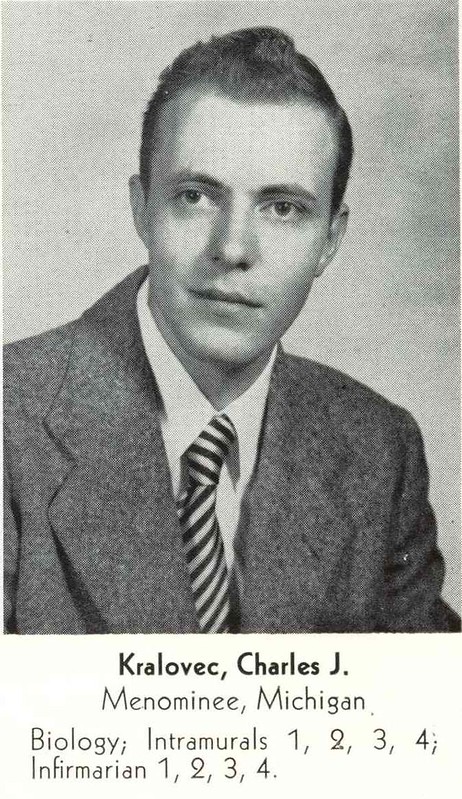
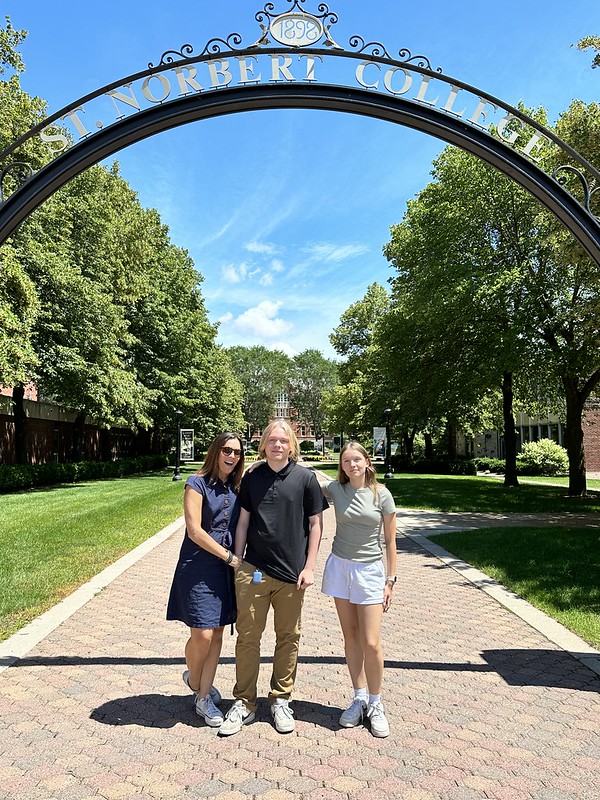
My Dad’s Yearbook Photo from Saint Norbert College (1954) Nadia, Oliver, and Ocean on campus July 8, 2024
We had our first visit to St. Norbert College in DePere, Wisconsin. My son Oliver will be starting there next month and we were excited to see the school. The staff at SNC gave us first-class treatment and we felt welcome. Oliver made the right choice of school! SNC is a private, Catholic, liberal arts college of approximately 1,800 students located on a beautiful campus on the banks of the Fox River.
The big trees, the flowing river, and the brick buildings of the campus create a feeling of serenity. The city of DePere is cute and has beautiful neighborhoods across the river and near the school. DePere is a suburb of Green Bay, home of the NFL’s Green Bay Packers. The metro area has a population of over 300,000 people, so it is not too big and offers many of the amenities of a city. We have many friends and families in Green Bay and close by, so Oliver will have support if needed.
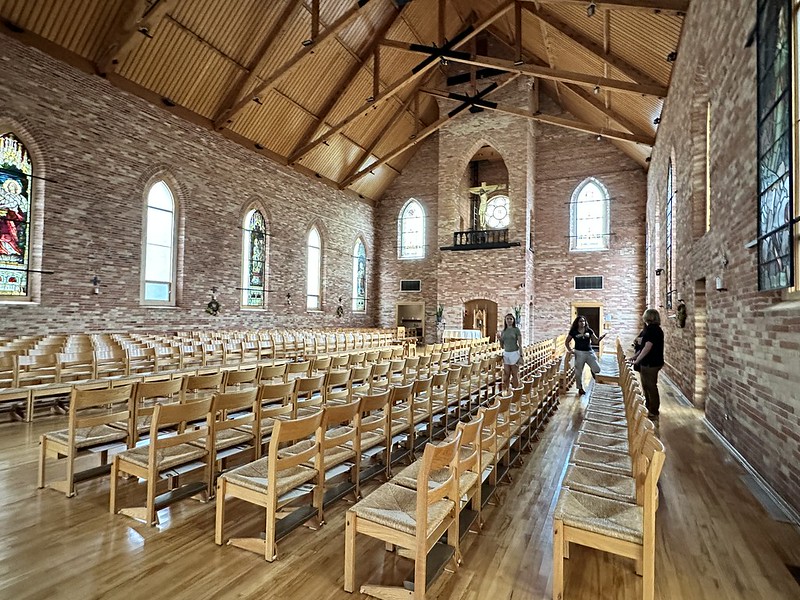
Inner QuadFox River and Student CenterSt. Joseph Church
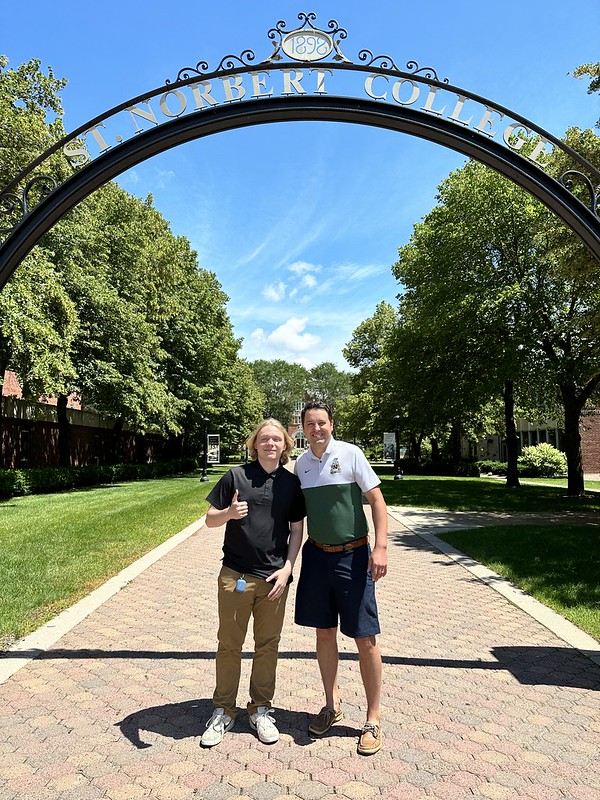
The school is also special because my father graduated from SNC in 1954. He fondly recalled his time there and would be delighted for his grandson to attend his alma mater. The school and DePere have changed in the 70 years since he graduated. The staff gave us a great day and we met with the volleyball coach, ROTC officials, and the admissions team. Both Nadia and I feel Oliver will be taken care of with a personal touch and am glad he is attending a smaller university. We would like to thank Eric Wagner, from admissions for his care and attention in the application process.
Visiting the beautiful St. Joseph Church in the center of campus sparked my curiosity about the Norbertine Order of the Catholic Church. Nadia and I were raised in strongly Catholic families and felt at home in the church. I was inspired by my father’s commitment to the service of others, which was probably partly instilled in him during his time at St. Norbert. The world needs people thinking of others and I hope Oliver will be inspired by the spirit of Saint Norbert College to serve humanity.
Oliver and Eric under the St. Norbert Arch
We are planning to go back to set up Oliver’s dorm room before we leave. It is heartbreaking to see another one of our children leave the family home. He is ready to forge his own path to adulthood and experience the ups and downs of adult life. We love you, Oliver!
The colon is a 1.5-meter tube that makes up most of the large intestine. Its purpose is to absorb salt and water from the remaining food as it leaves the small intestine. The waster matter that is left after traveling the long distance through the colon moves into the rectum, the final 15 centimeters of the digestive system, and is stored as stool until it passes through the anus during a bowel movement. The colon takes about 36 hours to fully process food. The average human has a bowel movement 3 times per week. The more fiber a person eats and if they drink enough water, it speeds up the process. Digesting food, absorbing nutrients, and getting rid of waste after these processes are what humans do.
I thought a lot about this process the past couple of days because I went in for a colonoscopy yesterday. This topic is not one that people usually talk about but I see this blog post as a kind of public service announcement, especially for men who tend to resist taking care of their health. Thanks to the loving persistence of my wife Nadia, I finally took the plunge and got it done.
What are the risks of colon and rectal cancer? The American Cancer Society (ACS) puts males at 1 in 23 (~4%) of contracting colorectal cancer in their lifetimes. There are over 150,000 cases of this type of cancer diagnosed annually in the USA. The number of deaths is decreasing because people are more aware of screening. ACS recommends regular colorectal cancer screening from age 45 to 75 for people of average risk. There are different screening tests. Three only involve sending in a stool sample. The other three are visual examinations. The most thorough screening is a colonoscopy where a doctor inserts a tube the width of a finger into the anus, through the rectum, and all the way to the end of the colon. Thankfully this is done under sedation and is painless. (see diagram below)
Image courtesy of the American Cancer Society
It is a hassle to get a colonoscopy! The worst part for me was the cleansing of the large intestine so the doctor could get a clear look at the inside surface. Five days before the exam, I needed to stop eating food with fiber. I discovered much of my diet is fiber, which is good for a healthy colon! No fiber means no fruit, vegetables, and nuts which I estimate make up 3/4 of my diet. I was limited to foods like tofu, eggs, milk/cheese, white rice, white bread, and cooked meats. The day before the exam, I could not eat solid foods, so it was a day of chicken broth soup and jello. I also needed to drink an entire bottle of Miralax powder, a laxative. The recommendation provided by the hospital stated to start at 5:00 PM. I would have started much earlier because, throughout the night, I was going to the toilet. I fully understand the amount of waste that can fit into a 1.5-meter tube! Towards the end of the process, I was releasing an almost clear liquid with a unique odor. I didn’t feel lighter or better, just annoyed at the hassle of every few minutes having to go to the toilet.
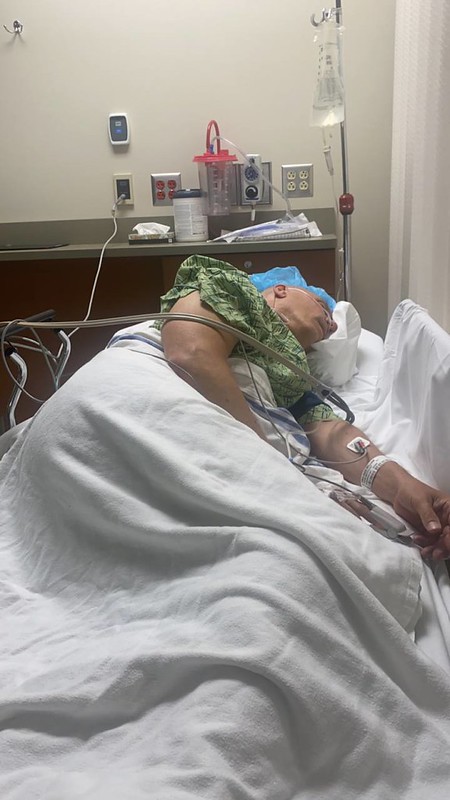
On the day of the procedure, I was asked not to eat or drink anything. I was the last patient scheduled at the Bell Memorial Hospital in Ishpeming on that day. I was asked to come in at 12:45 PM, but due to delays in the morning, I didn’t get into the operating room until 5:00 PM. So that meant two days of fasting. I had a slight headache, probably due to a lack of coffee.
The best part of the colonoscopy was getting knocked out by anesthesia. This was my first time and I feel fortunate that the only time I’ve been in an operating room was to film the birth of my children. The doctor assistant asked me to roll on my side and the anesthesiologist put a drug in my IV and said I would be out in about 30 seconds. I remember looking at the tiles on the wall and suddenly, they started to gently sway back and forth and I was out. I woke up back in the prep room with my son Oliver and brother Jimmer next to my bed. It felt like no time passed at all which is strange. One moment I am drifting off to sleep, the next I am awake in the prep room. I think an hour or so passed, but it felt instantaneous. I am fascinated by the whole science or art of anesthesia. Why do we lose consciousness? How did medical science figure all this out? Why don’t we feel pain or discomfort? What input is the brain receiving while someone is under? I need to read a book about the history of it and the future of the science. I know anesthesiologists make a lot of money and I can see why. Putting someone under is dangerous, even though it is a common practice.
The doctor said I had an average colon and rectum and he removed one polyp. Polyps are growths that occur in the large intestines that can become cancerous. The polyp tissue will now be checked in the lab to see if it is cancerous or benign. The doctor predicted that most likely it is OK and recommended my next screening in 10 years. I am now 57 years old, so mental note, at age 67 to get it checked again. I am fortunate to have good health insurance and the luxury of a thorough colorectal screening. I am at low risk because of my healthy diet, lots of exercise, maintaining my weight, being a non-smoker, drinking little alcohol, and rarely eating little red or processed meats.
I would like to thank the medical staff at the Bell Memorial Hospital in Ishpeming for taking good care of me! I also thank my health insurance company for covering the cost of the procedure. I am also grateful for my son Oliver and brother Jimmer, who spent the day with me, supporting me emotionally and psychologically. It is good to be loved!


















 Bill's Blog