Latest Reading: The Demon of Unrest by Erik Larson

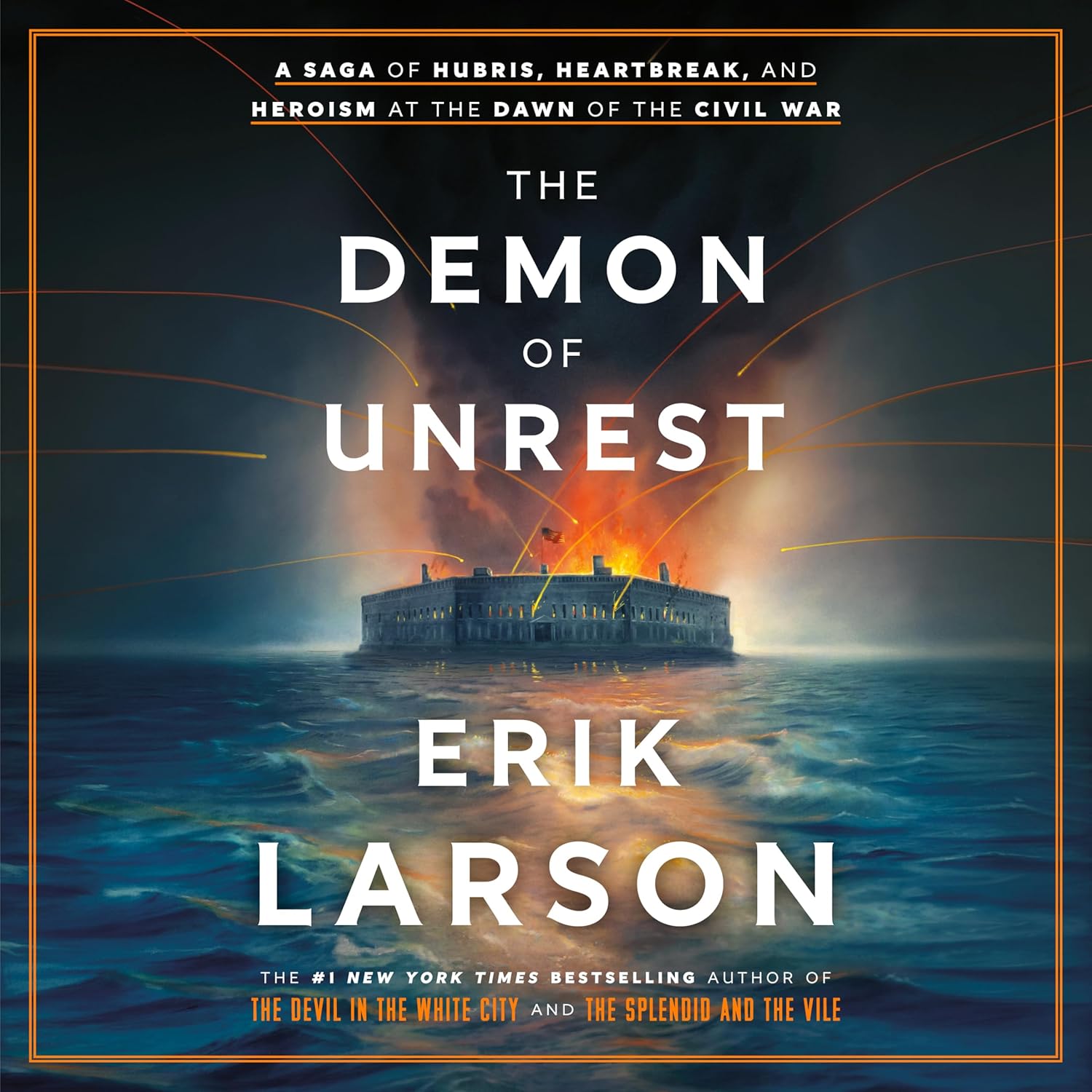
I absolutely loved Erik Larson’s “The Demon of Unrest: A Saga of Hubris, Heartbreak, and Heroism at the Dawn of the Civil War“. I was always curious about the start of the Civil War and Larson’s research is fascinating. He always puts together a compelling narrative and this story is a page-turner.

It is fascinating to the point where a dispute or conflict becomes an all-out war. What is the trigger that pushes incidents and skirmishes to everyone on both sides deciding to go to war. It reminds me of the outbreak of the Balkan Wars in the 1990s and the attack on the Holiday Inn in Sarajevo. Larson uses Fort Sumter, a federal fort protecting the Charleson, South Carolina harbor as the Holiday Inn of the American Civil War. The book is also wide-ranging and follows many characters and settings, including Lincoln taking office in DC, the various secession conventions in the southern states, etc.

The book also left no doubt in my mind that the American Civil War was mostly about the question of slavery. Most people and more importantly, most leaders in the northern states were abolitionists and could not live in a country that permitted slavery. I can’t believe slavery lasted so long in the United States. This was 1860, which was only 164 years ago. The society and culture that grew around the cotton plantations and slavery was so different from the rest of the Union. I now see why we had to go to war to keep the country together. I am glad they sorted it out 100 years before my birth and today, the United States of America has the largest economy in the world and is a beacon of individual rights and rule of law for the world. We would have been a lesser nation split into two.

History does not look favorably on President James Buchanon (1857-1861). He did not take strong measures to reign in the South and support keeping the Union together. I learned of the Ghost/Shadow or Corwin Amendment, that he tried to push through that would have tolerated slavery within the Union. It never was ratified by the states due to the outbreak of the war, despite being passed by both houses of Congress. The amendment was a product of a “Peace Convention” where 133 delegates from 14 free states and 7 slave states gathered to try to reach a compromise to keep the Union together.

The saying that history repeats itself is a cliche, but the book describes the certification of the electoral vote of 1861. There was concern that Buchanon’s Vice President, the Southern Democrat John Breckinridge, would stage a mutiny or suppress the session of Congress to ratify the results of the election. This is part of what sparked the January 6, 2020 riots in the Capital building. It is a quirk of the Consitution needing Congress to officially certify of the results the election that took place several months before. I would abolish it. If this year’s vote is close and the Republicans lose, there will once again be tumult in January. It is also interesting that the Vice President was often an opposing party member back then, unlike today where it is the same party.

Through the book, I was noting the order of the Southern states that were seceding. South Carolina was the first state, followed by Mississippi, Alabama, and Louisiana. In the official declaration of Mississippi after the 84-15 vote in favor of leaving the Union, they wrote,

“Our position is thoroughly identified with the institution of slavery – the greatest material interest of the world…Its labor supplies the product which constitutes by far the largest and most important portions of commerce of the earth. These products are peculiar to the climate verging on the tropical regions, and by an imperious law of nature, none but the black race can bear exposure to the tropical sun. These products have become necessities of the world, and a blow at slavery is a blow at commerce and civilization.”

With a mindset like that, I see why the Civil War started. Mississippi’s leaders viewed Lincoln and the northern Republicans as a threat to their livelihood and way of life. Other deep south slave states felt the same and many of them broke away from the Union even before Lincoln started his term. Slavery is abhorrent and I see Lincoln and the north really had no choice. The wife of Buchanon’s Secretary of State Henry Seward, Frances Adeline Seward criticizing her husband’s compromise of allowing slavery within the Union wrote the following.

“Compromises based on the idea that the preservation of the Union is more important than the Liberty of nearly 4 million human beings cannot be right – The alteration of the Constitution to perpetuate slavery – the enforcement of a Law to recapture a poor, suffering fugitive – giving half of the Frontier of a free Country to the curse of Slavery – these compromises cannot be approved by God or supported by good men.”

  • The Montgomery Daily Post newspaper advertised “Negro Dogs” for rent at $5 per day and $10 for each slave that they caught. Absolutely disgusting.
  • I never noticed it, but I learned that the Washington Monument has two tones of marble. Construction started in 1848 with enslaved labor but stopped in 1858 due to the secession crisis. It did not resume until after the Civil War with paid labor using a different color of marble.
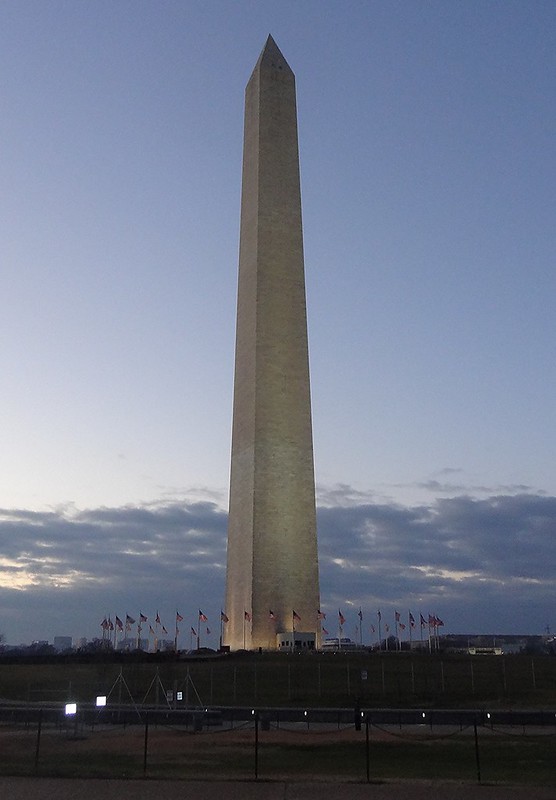
Notice the change of color about 1/3 the way up from the bottom. (my photo from 2012)
  • Transportation and technology were so slow back then. There was no electricity and no microphones so many people relied on newspapers to learn what President Lincoln said in a speech, even events they attended but couldn’t get close enough to the stage. Transport was by train and horse and Lincoln’s journey from Illinois to Washington DC, took a long time!
  • Like today, the president was surrounded by lots of people with opinions, often many of them with wrong opinions. A skillful leader needs to know when to take advice and when not to. Lincoln’s security advisor was a self-centered, pompous, idiot.

In reflecting on the Civil War, I can see why the Confederacy was so devastated by its defeat. They had built their society, culture, and lifestyle around cotton plantations and the use of slave labor. From a broader perspective, it’s difficult to understand how they could have expected to win. Perhaps they believed the Union would not be united or determined enough to mount a full-scale national effort to defeat the South. The odds were stacked against them: the Confederacy had only around 5.5 million free citizens (plus 3.5 million enslaved people) compared to a population of 22 million in the industrialized North, including the four border slave states (Maryland, Delaware, Kentucky, and Missouri) that remained in the Union. The human cost of the war was staggering – about 2% of Americans died, which today would be equivalent to about 7 million people.

I feel pride in Michigan and the North for standing up for human rights and fighting against the abhorrent practice of enslaving fellow humans. Abraham Lincoln is rightly enshrined as one of our great presidents for his leadership during this pivotal time. However, even though slavery was abolished, a cultural divide between “North” and “South” persists, though it has shifted to more of a coastal versus interior split. My Great Lakes region is still considered “Northern,” but faces its own internal cultural challenges. The divide is no longer between cotton plantations and industrial centers, but more between urban, highly educated, diverse communities and rural areas with more hands-on jobs and homogeneous populations. Racism continues to be a factor, partly due to demographic changes as white Americans become a minority and some resist this change.
Farewell Poland!

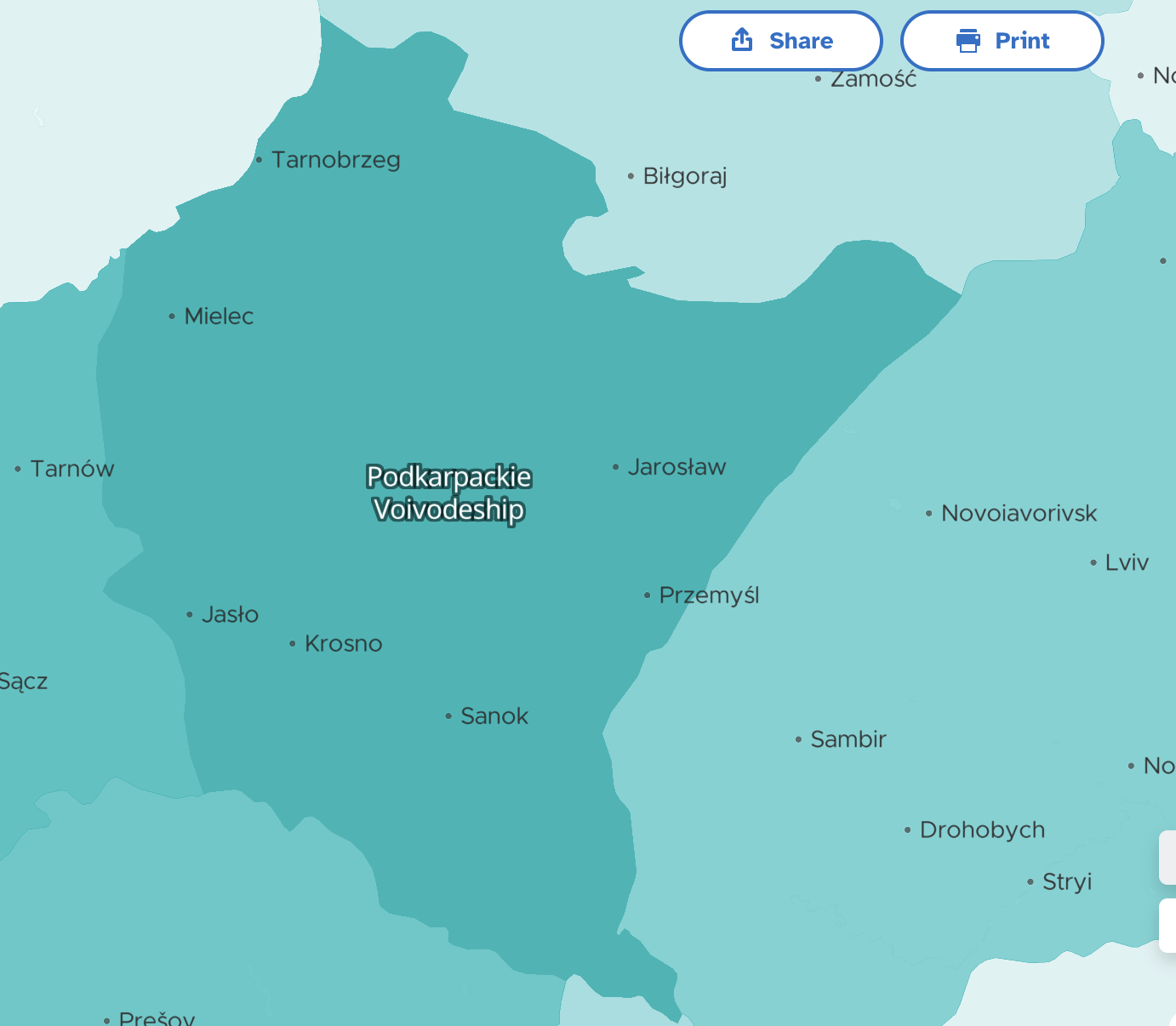
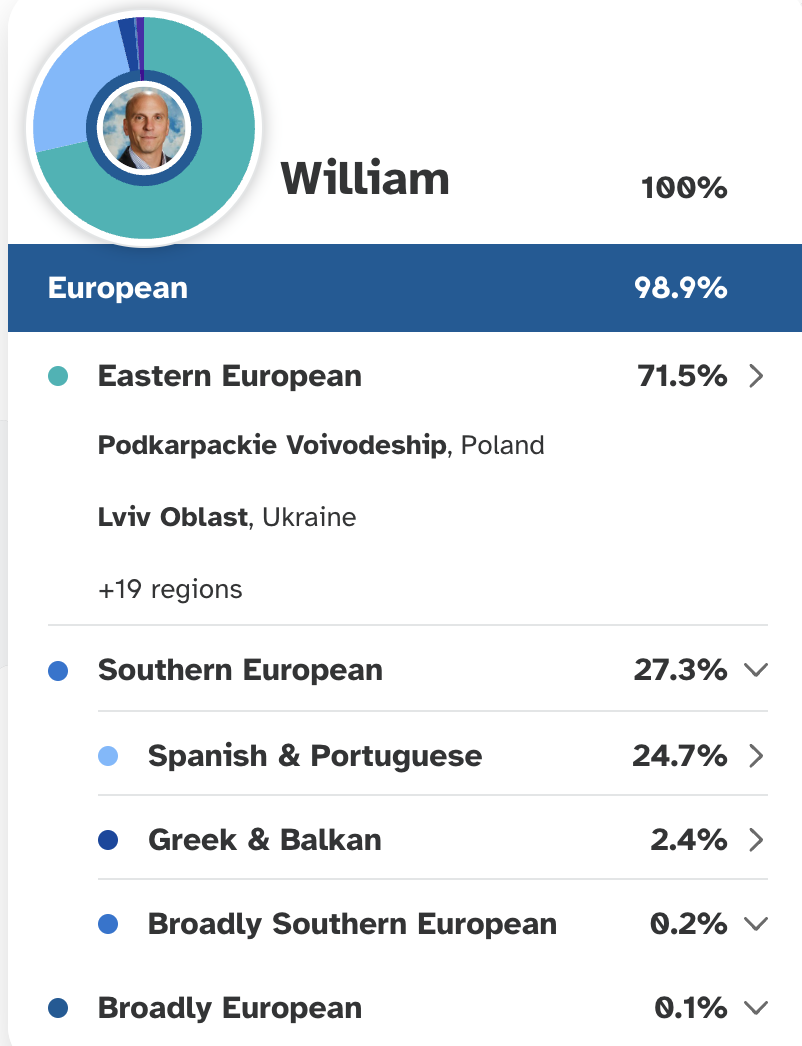
Poland is a special country for me because 71.5% of my DNA is from there. The most likely origin of my DNA is the Podkarpackie Voivodeship which is located between Krakow and Lyiv in Southeast Poland and Western Ukraine. I do look Polish and it was fascinating to be a couple of generations removed and to come back. Poland is a lot different from USA. The impact of World War II was so much greater in Poland than in the USA. Germany and then the USSR invaded and basically destroyed the country. The Soviets occupied the country for close to 50 years after the war, installing a totalitarian system that suppressed human rights and freedoms. Most of the Jews killed in the Holocaust were Polish Jews and most of the concentration camps were located in Poland. Millions of soldiers and civilians were killed in the war and huge populations were displaced and forced to leave their homes. All that trauma must have a big impact on the psyche of the people of the nation.

Despite their sad history, the city of Warsaw had a positive, lively vibe to it. People were friendly and talkative to visitors, the locals seemed to enjoy themselves in bars, and restaurants, and young people just hanging out in the plazas around the city. Like other Eastern European nations, Poland is considered by some to be racist, against LGBTQ+ people, and politically conservative. I think that when a country or area is mostly homogeneous, there is always a distrust or fear of outsiders and people who look and act differently. I experienced this in Japan, where I was an outsider. Like many developed countries, they are struggling with low birth rates and the need for immigration. It may be one of the underlying reasons for the schism in US politics that white Americans will become a minority (under 50%) in the coming years.

The weather during my four days in Warsaw was absolutely perfect! I had a delightful time and was pleasantly surprised by the cuisine and laid-back attitude of people. I hope to visit again and explore my genetic heritage more.

Family Journal: September 28, 2024 “Happy Birthday Ocean”

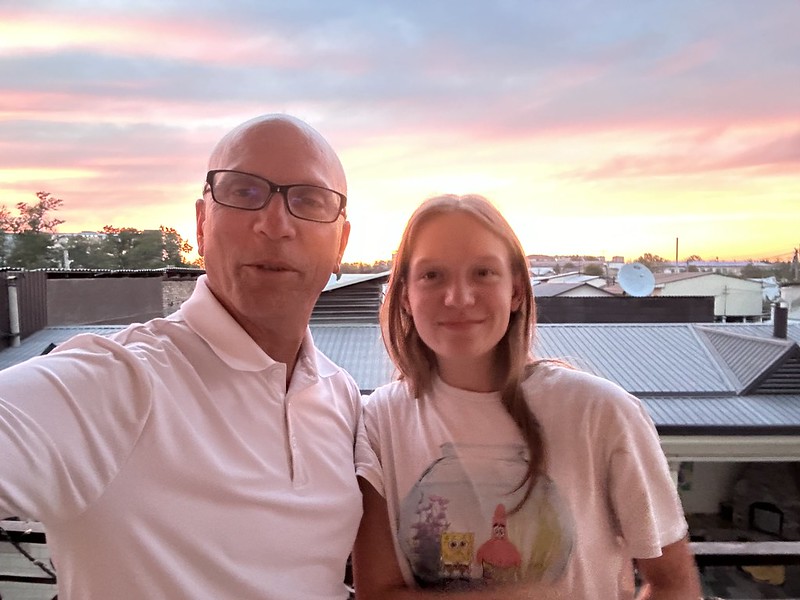
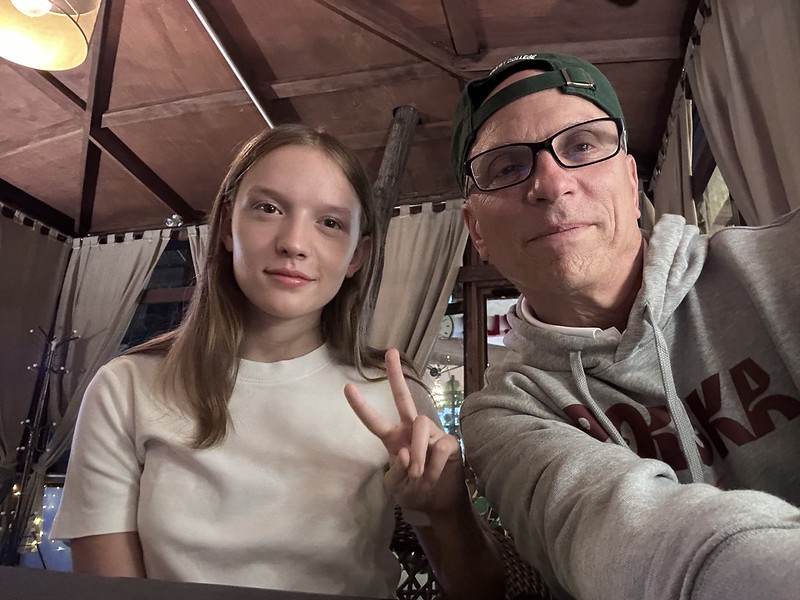
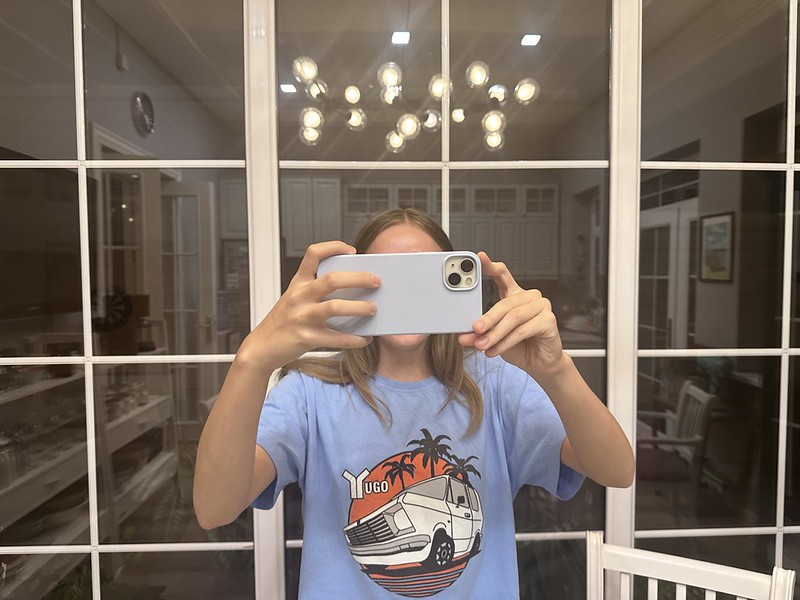
My daughter Ocean turned 17 years old this past week. We are so proud of her as she develops into a mature woman. She is the last of our children still at home and Nadia and I are probably pestering her too much, but she is a sweet soul. We always say she is the best of the Kralovec family! Ocean loves watching the sunset from the balcony of her bedroom and the other night it was a spectacular sunset. Love the corrugated roofs of Uzbekistan!

Family Journal: September 20, 2024 “Arrival to Warsaw, Poland”

I am in Warsaw, Poland this weekend for international school meetings.I flew overnight directly from Tashkent to Warsaw via LOT Polish Airlines. I slept OK during the six-and-a-half-hour flight and it was convenient not to have to transfer planes in Istanbul. It is a sign of the developing economy of Uzbekistan with more flights opening out of Islam Karimov International Airport.

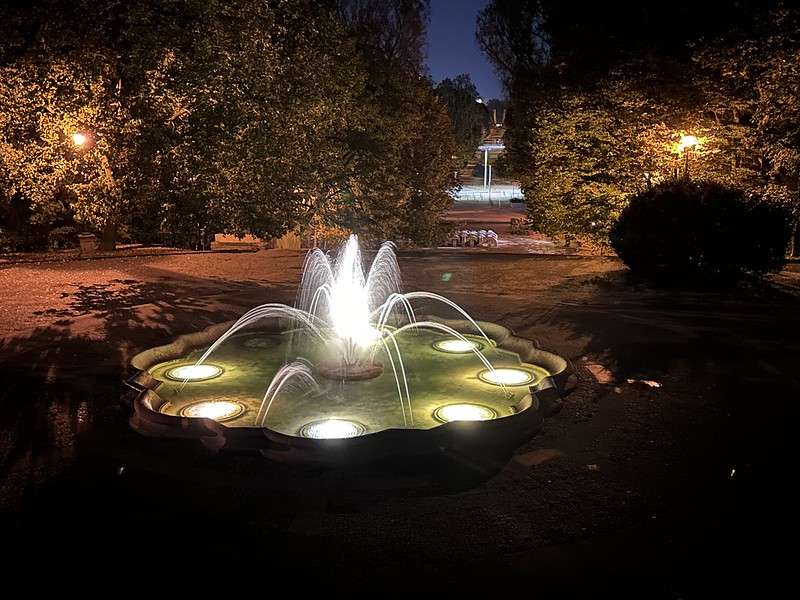
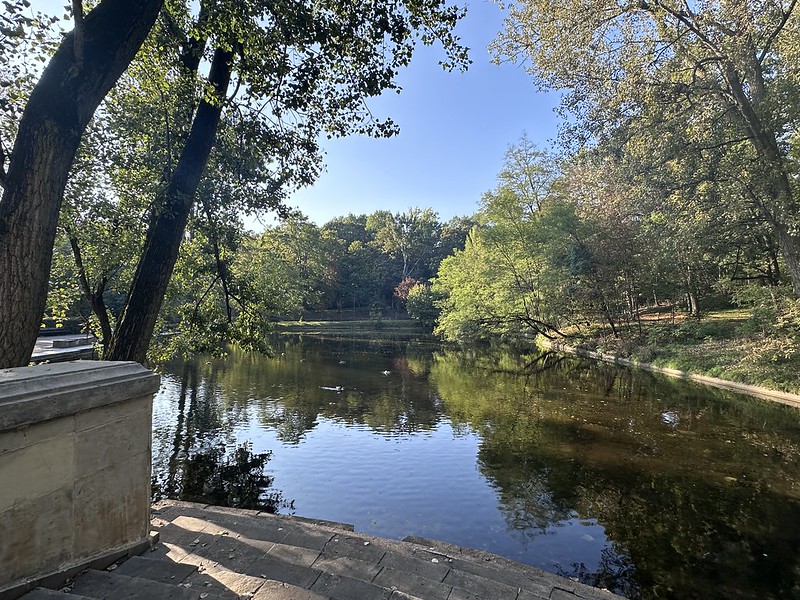
Park na Ksiażecem – Warsaw

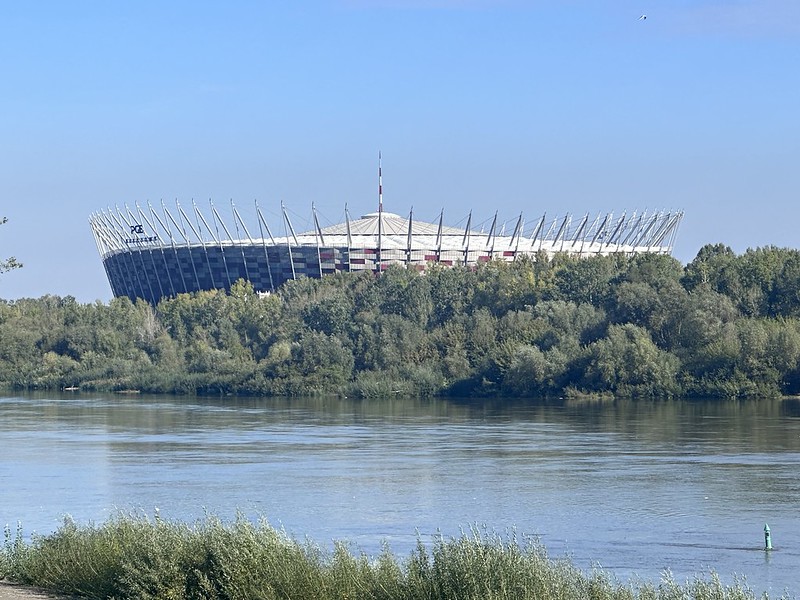
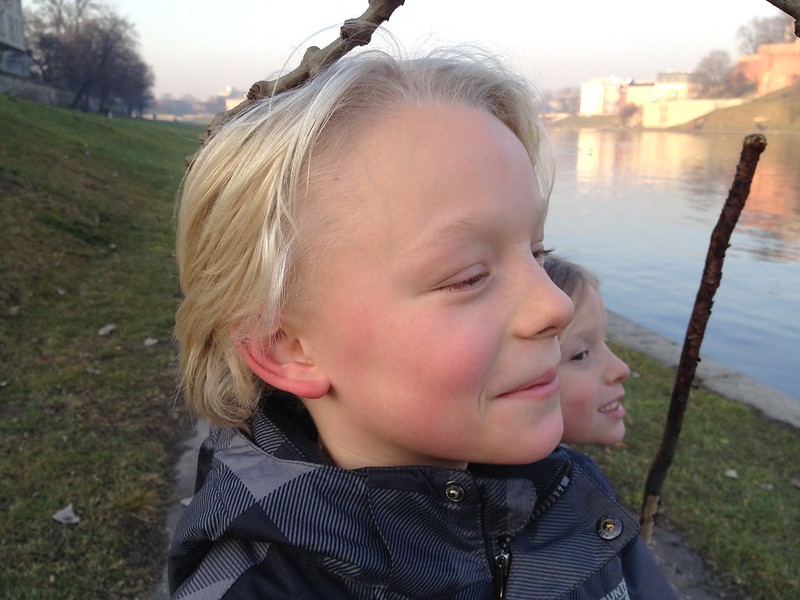
My room was not ready when I arrived early Thursday morning so I went for a long walk down to and along the Vistula River. The Vistula is the longest river in Poland (1,047 kilometers) and originates in the mountains of the border region with the Czech Republic and Slovakia and flows through Krakow and Warsaw. It is one of Poland’s national symbols “Country upon Vistula” (Polishkraj nad Wisłą) and would be somewhat similar to the Mississippi River in the USA or the Magdalena River in Colombia. It flows north and empties into the Baltic Sea between Gdansk and the Russian enclave of Kaliningrad. I remember the last time I was on the Vistula, ten years ago in Krakow. Ollie and Ocean were angels!

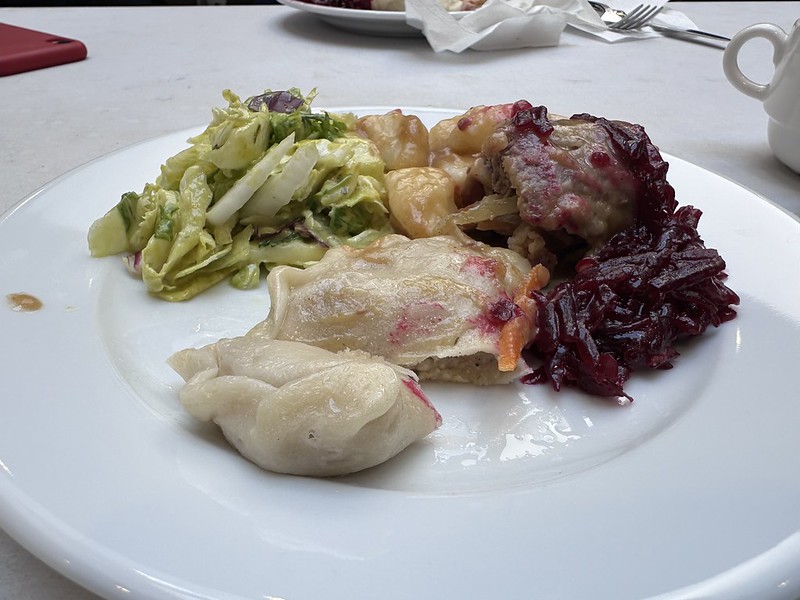
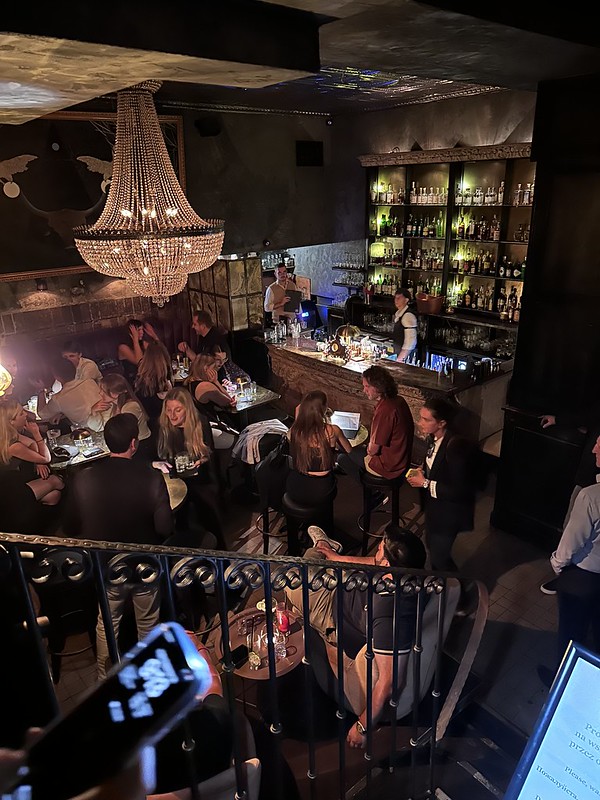
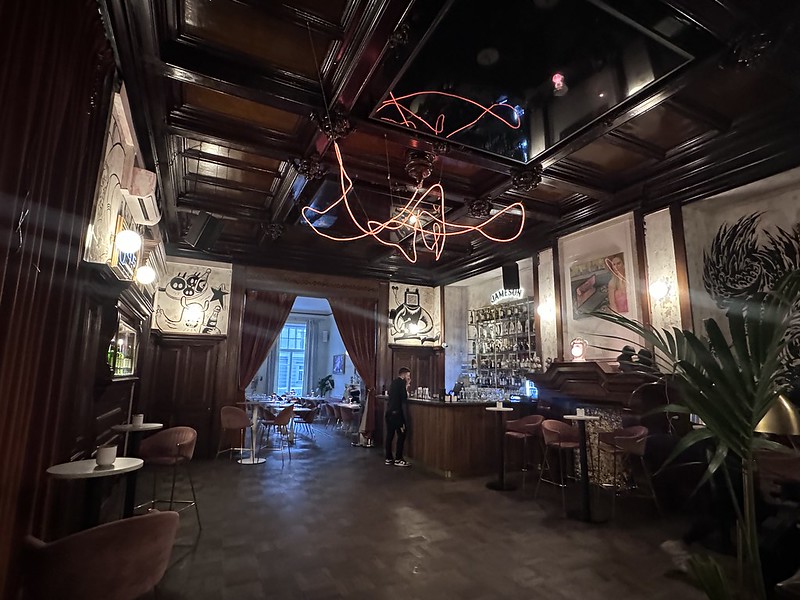
We always eat well during these meetings! Warsaw has great restaurants We ate last night at the Pod Gigantami. The Polish cuisine was delicious and I noticed an interesting looking maître d’ who turned out to be a popular television host and journalist, Piotr Kędzierski. After dinner we went for a drink at two bars close by and enjoyed a bit of dancing and camaraderie. Warsaw has a good vibe to the city! People were friendly and interesting.

I have mostly been working for the first two days and am looking forward to seeing more of the city today on a tour organized by the American School of Warsaw.

Warsaw, Poland Day 2

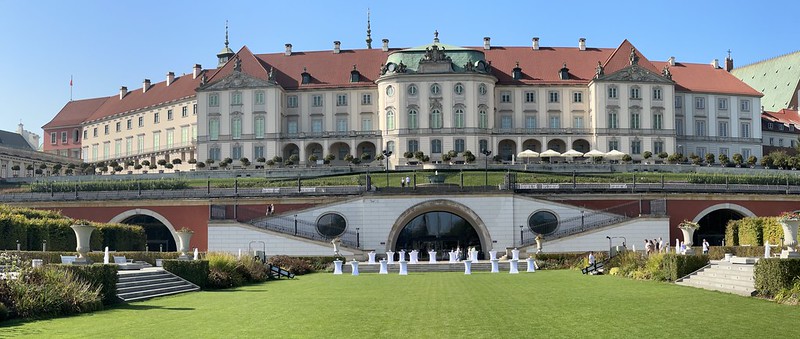
Royal Castle in Warsaw

We had a great day together touring the beautiful city of Warsaw! The highlight was the old city, a UNESCO World Heritage Site. Sadly, the entire area was flattened in World War II and everything we saw was beautifully restored. The Royal Castle is interesting because there is no royal family in Poland. Aristocrats voted on the successor when a king died. The guide told us Sigismund III Vasa, the King of Poland and Lithuania from 1587 to 1632, moved the capital from Krakow to Warsaw. He was Swedish and wanted to be closer to Sweden and away from the borders. He was a fervent Catholic and wise leader who expanded Poland to its zenith regarding land and power. His statue is on top of the center column of the plaza behind the castle.

We walked around the old city, seeing the Marie Skłodowska-Curie museum and memorials to the war heroes. I realized the horrors of war must have scarred the Polish national psyche. To have your city destroyed, millions of Poles murdered or deported as “sub-human slaves” by the Nazis, and then to top it off, territory lost, over 40 years of occupation by the Soviets, it must affect Poles. I hope the new generations can recover and I am happy that Poland is a free nation after being subjugated for so many years. The Austro-Hungarians, Prussians, Nazis, and the USSR ruled over the Poles for centuries.

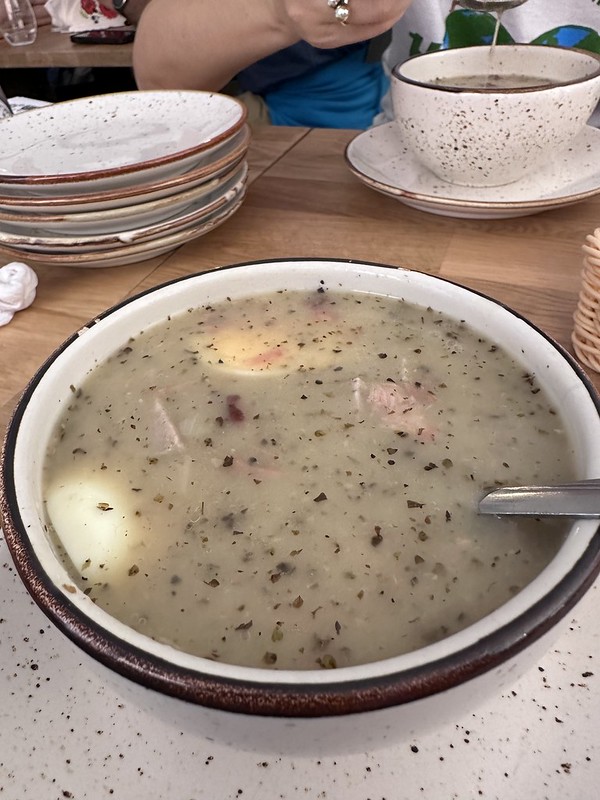
I had a delicious sour soup Źurek for lunch. It is made with a fermented rye starter and served with boiled eggs and white kiełbasa sausage. I definitely want to have a bowl of that today, my last in Warsaw.

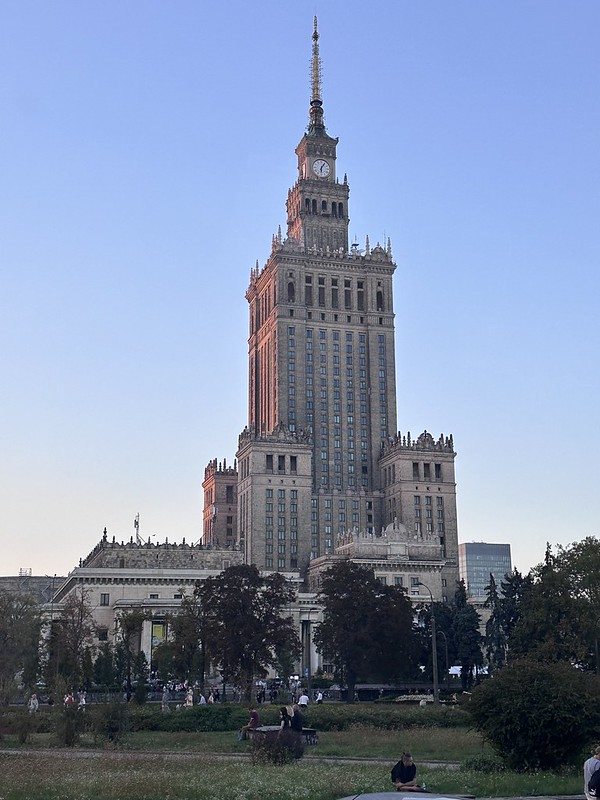
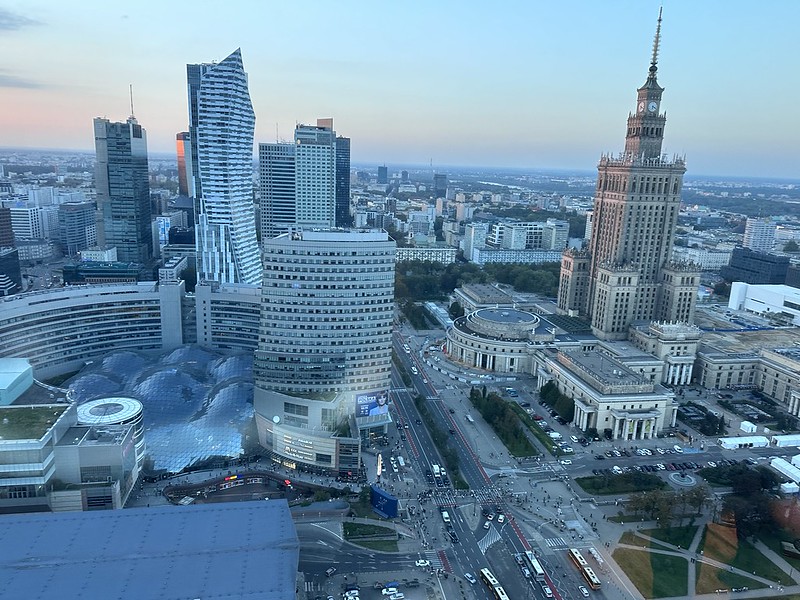
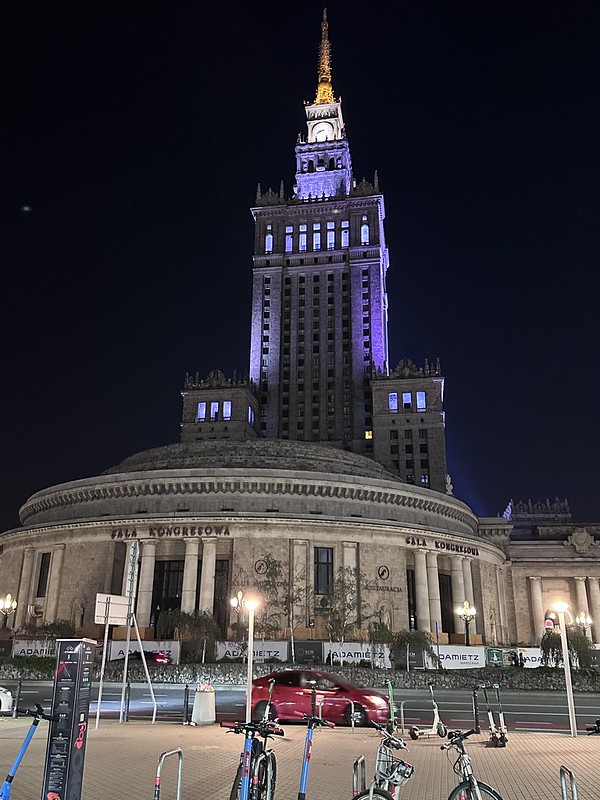
On Saturday night we had a light dinner and drinks at the Panorama Sky Bar on the 40th floor of the Marriot Hotel. The views of Stalin’s Palace of Culture and Science were spectacular. Completed in 1955 in an Art Deco / “Seven Sister” Stalinist Tower architectural style, it is a distinctive landmark in downtown Warsaw. I read some critics want to demolish it as it was built by the Soviets and serves as a huge reminder to that horrible oppression, but I think it would be a shame. I would love to tour inside and I see where there is a university, theatres, concert hall, shops, swimming pool, convention hall, etc.

The best part of the trip was my time with my CEESA friends. Being a director in an international school can be lonely at times and it is so important for me to connect with colleagues. We face similar challenges and the collaboration in the group is invaluable for me.

Family Journal: September 14, 2024

I am enjoying a relaxing weekend. Friday night Ocean and watched Apple TV’s Civil War. We laughed making fun of the movie’s depiction of war photographers. It was unrealistic and so we were pretending to be the cheesy war photographers with each other. I find my moments to spend time with her. Our eldest son Owen sent some photos of is university’s tennis club. They do not have a NCAA tennis program and so he joined the intramural club. We are happy he is connecting with others and joining social activities. Nadia and I attended a party celebrating Mexican’s Independence. Ricardo and Dora are a General Motors family and we’ve been friends with them for years.

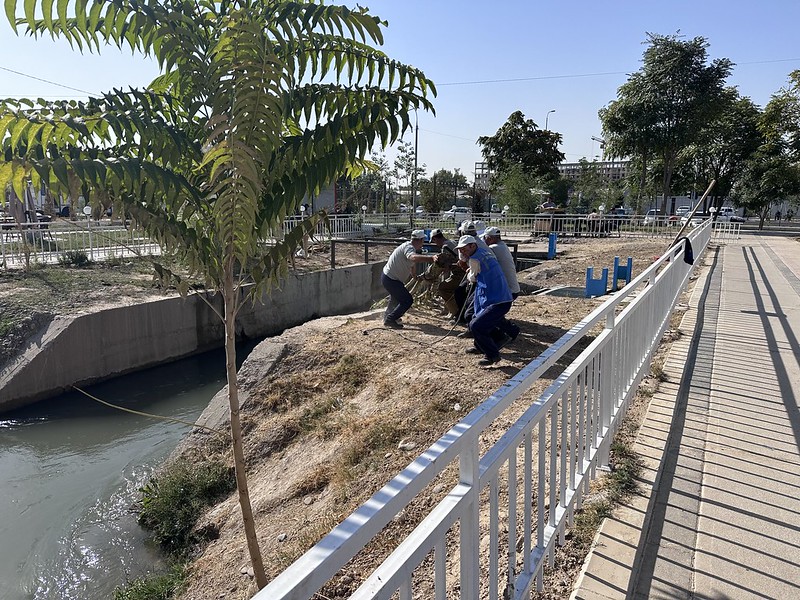
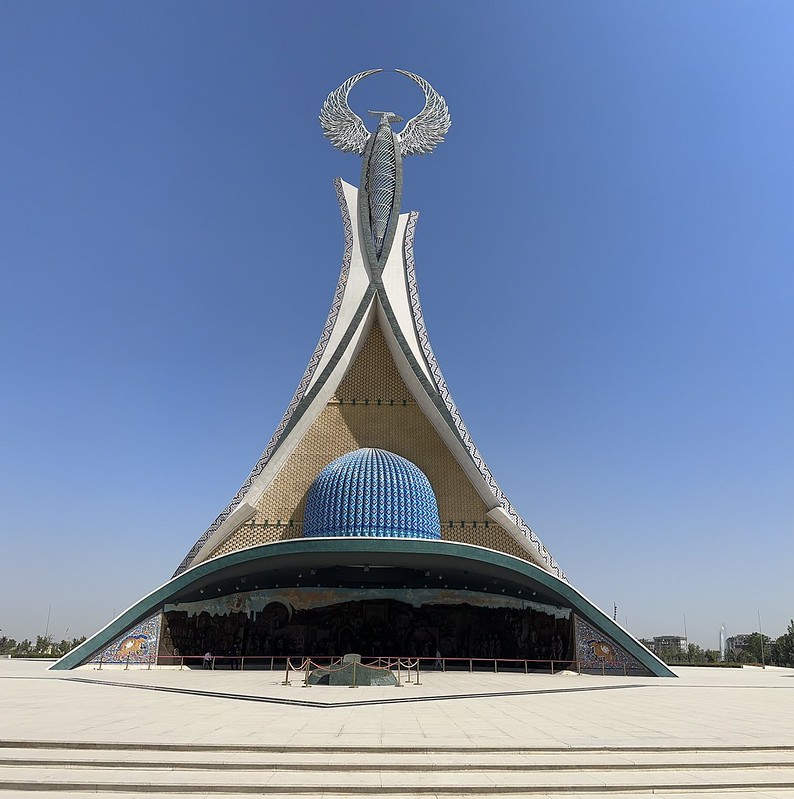
Saturday I went for a long bike ride with one of the new teachers, Kim. We stopped at Yangi O’bekistan Park, the first time I had toured the park. It is a big government project used for concerts, national holiday concerts, etc. It is a mix of Singapore and Dubai being a bit artificial, and overall a nice idea, providing green space in a city is always beneficial for people. The Humo monument in the center is impressive and well thought out. It includes a range of architecture, covering from the Persians to Tamerlane. It also has a bronze diorama that summarizes the entire history of Uzbekistan. I would like to visit it at night sometime. The photo on the left shows workers pulling out a full tree from one of the side canals. I wondered how it got into the canal.

Family Journal: September 8, 2024

I had a quiet weekend with an International Baccalaureate Professional Development workshop on Saturday. On Sunday, Nadia and I exercised. She swam laps at her gym while I rode my bicycle along the Ankhor Canal. We then played a couple sets of tennis at the Olympic Tennis School. We are staying active as we get older to slow down the inevitable decline. I feel fortunate that I can still run and am mobile in the back half of my 50s.

One of my pleasures is taking my dog Obi on a walk in Tashkent. Above left is Mama’s Kitchen restaurant. It is in a restored Soviet-era apartment block in the downtown area. I haven’t tried it, but I like its look and the restored block of flats. The middle photo is a secondary canal near our house. A path alongside the canal gives me a nice 3-kilometer loop. I have not walked there since May and I noticed improvements in the homes as the economy increases in the country. The photo on the right shows wide receiver Jameson Williamson of the Detroit Lions running against the LA Rams. It is so nice to support one of the best teams in the professional American football league. The Lions have not won a championship since 1957 and have suffered years of losing. Last year they were one game away from the Super Bowl and this season they are contenders again. I hope to see a Lions Super Bowl victory in my lifetime.

Ocean, Nadia, and I went to see Beetle Juice, Beetle Juice a follow-up to the 1987 classic movie staring Michael Keaton and Winona Ryder. It was a pleasurable experience with a few laughs and the quirky visuals of director Tim Burton. The 1987 version was so out of left field for its time. Nadia says it feels dated now as she watched it again, but it was a novel experience back in the 1980s. This one was not groundbreaking like the original, but it was light and fun and a good way to spend a Sunday night with my wife and daughter.

Latest Reading: “Fear is Just A Word” by Azam Ahmed

For 13 years, South America was my home, with five of those years spent in Colombia during the tumultuous 1990s. This experience provided me with a unique lens through which to view Ahmed’s book on Mexican drug cartels. While the level of violence I encountered wasn’t as extreme, I witnessed firsthand the profound impact of powerful drug cartels and the resulting lawlessness when criminal organizations rival or surpass the authority of law enforcement.

Living in this environment, I developed what I dubbed “third-world eyes” – a gradual desensitization to the substandard infrastructure and pervasive crime that surrounded me. It’s remarkable how humans can adapt to almost any situation, often at the cost of losing perspective on the severity of their circumstances. Our annual summer visits to family in Michigan served as stark reminders of the contrast between life in South America and the relative safety and stability of the United States. These trips would temporarily lift the veil of normalization, revealing the true extent of the challenges we faced in our adopted home. The decision to ultimately leave South America was influenced, in part, by our children’s growing accustomed to the constant presence of armed guards – a normalization of danger that we found unsettling.

While I paint a somber picture, I must emphasize that my experiences in Barranquilla (Colombia), Anaco (Venezuela), and Santa Cruz (Bolivia) pale in comparison to the harrowing accounts described in Ahmed’s book. Nevertheless, the shadow of violence was ever-present. I knew friends and acquaintances who fell victim to armed robberies, home invasions where families were bound as thieves ransacked their homes, and even kidnappings of family members.

My sole experience in Mexico came during my university years, on a geology field trip to Del Rio, Texas, and Ciudad Acuña, Mexico – a border region a few hours upstream from Brownsville on the Rio Grande. While brief, this visit offered a glimpse into the complex dynamics of the U.S.-Mexico border area. I recall sitting in hot springs coming out of the banks of the Rio Grande, and swimming back and forth between Mexico and the USA. That was way back in probably in the spring of 1989, and I am sure the situation has changed.

In reflecting on these experiences, I’m struck by the resilience of those who live under the constant threat of cartel violence, as well as the profound impact such environments can have on one’s perception of normalcy and safety. Ahmed’s book serves as a powerful reminder of the ongoing struggles faced by many in Mexico and other parts of Latin America, where the influence of drug cartels continues to shape daily life in ways that are often incomprehensible to those who haven’t lived it.

The part I liked best about Ahmed’s book, Fear is Just a Word: A Missing Daughter, a Violent Cartel, and a Mother’s Quest for Vengeance is that he described the historical development of violence in Mexico. I always wondered how societies can get to this point. How can organized crime become so powerful that only a nation’s military can protect its citizens? I also ask why there is so much violence? Why are murder rates so much higher in Latin America than in other parts of the world? He traces the increasing levels of violence that, in retrospect, makes for a logical sequence. In the center of the story is the Gulf Cartel. Juan Nepomuceno Guerra founded the cartel in the 1930s during the Prohibition Era. He was a bootlegger and smuggler in the Mexican border state of Tamaulipas. The border city in the USA is Brownsville, Texas, near the Gulf of Mexico. After Prohibition, he switched to smuggling many kinds of goods, going both ways. N. Guerra developed the infrastructure to protect his business, with almost everyone on the payroll from customs officials and the police, to ordinary storekeepers, judges, and politicians. With everyone included in the system, people were incentivized to keep it going.

His nephew, Juan García Ábrego took over the business after his death. He upped the ante by switching to smuggling cocaine instead of appliances. This increased the levels of violence as the cartel competed for market share. He eventually was brought to justice when he threatened US officials. He started serving 11 consecutive life sentences in 1995 in federal prison. Osiel Cárdenas Guillén then murdered his way to the top of the Gulf Cartel and hired ex-military, bodyguards, enforcers, etc., and called them the Zetas to support the Gulf Cartel’s operations. They brought even more violence as they were highly trained, highly armed, and ruthless. When they split from the Gulf Cartel and started a war between the two groups in the early 2000s. It is an absolute, medieval bloodbath, with massacres, torture, etc. taking place on a daily basis. It reminded me of ISIS in Iraq/Syria. I noticed that Cardenas Guillen was recently released from prison after serving 21 years. I wonder if he will be sent back to Mexico to face charges there.

Azam Ahmed does in-depth reporting in the small town of San Fernando, near the Mexico/Texas border. It starts with the kidnapping of Miriam Rodriquez’s daughter, Karen in 2012. The family paid the ransom, but Karen was murdered. Miriam takes it upon herself to track down every single one of the Zetas involved in the kidnapping to bring them to justice. She would make a great detective! I was taken aback by the sheer inhumanity of the people in the Gulf Cartel and the Zetas. Ahmed’s book gives context to why people would choose to leave Latin America and try to immigrate to the USA. Drug cartel and gang violence can also be found in Nicaragua, Honduras, Ecuador, Venezuela, etc. Until they establish rule of law with an organized and well resourced law enforcement and/or military, people will continue to flee violence.

Family Journal: September 6, 2024

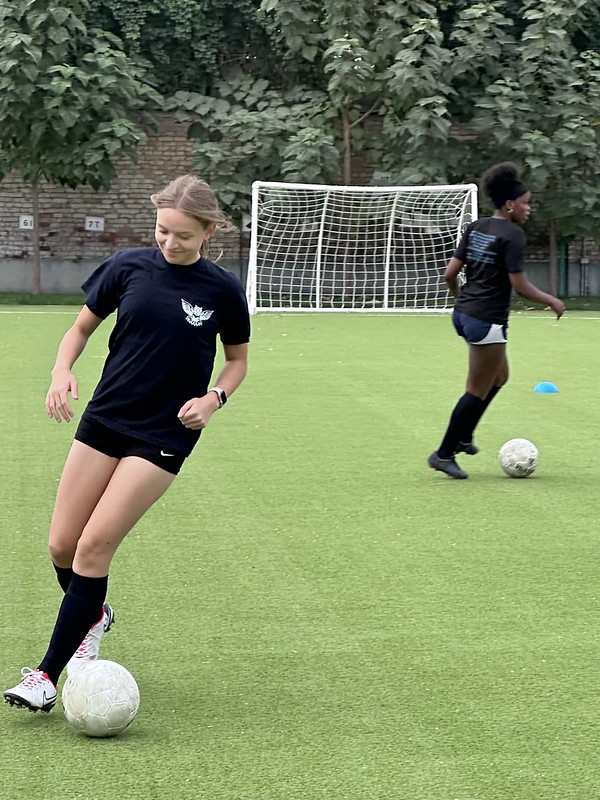
It was a short week starting on a Wednesday after the Independence long weekend. I felt tired yesterday despite the short week and I sensed other teachers were as well. Could it be the change in our schedules and sleep? Not sure. One of my highlights is to drop Ocean off at school on Thursdays in the morning for girls soccer practice. The team practices before school and it gives me a chance to run my dog Obi at school and watch Ocean play soccer. I can’t wait for the games!

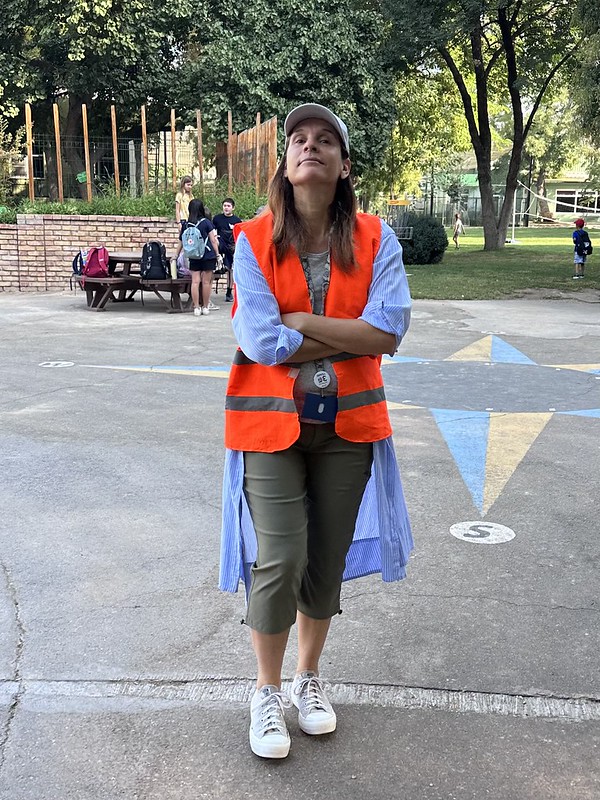
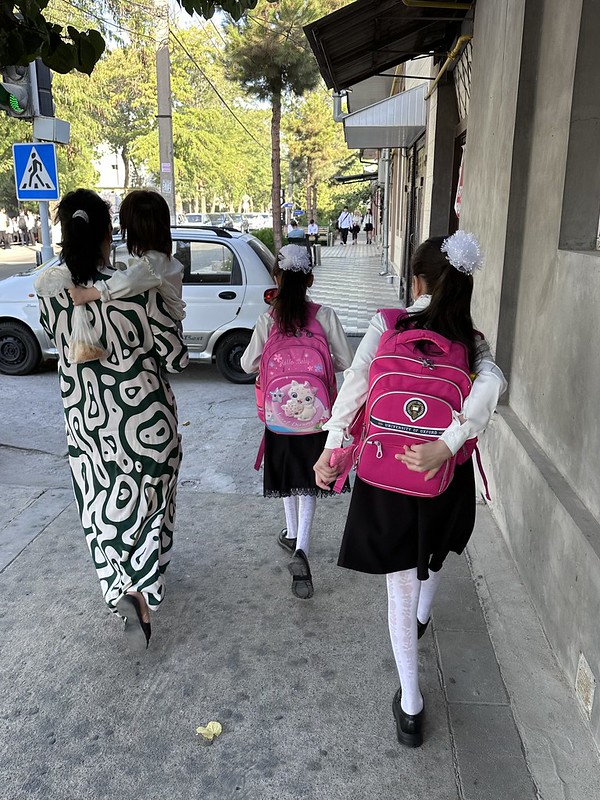
I also like that Nadia signed up for morning duties this year. It gets us to school earlier this year a couple of times a week. She still looks elegant in the playground duty vest! Uzbek schools started on Wednesday. They are heavily influenced by the Russian school system with a strict calendar ending date in May and not starting until September. The first day of school is also a day of pageantry and students dress up and bring flowers to their teachers. It is a nice tradition and one of the ways Russian and Uzbek society shows respect to the teaching profession. The USA could use some of this. The streets in front of the public schools on both sides of our house were crowded on the first day. There are no school buses in Uzbekistan. Most students walk to school or their parents drive them.

Family Journal: September 3, 2024 – The Russian баня (Sauna)

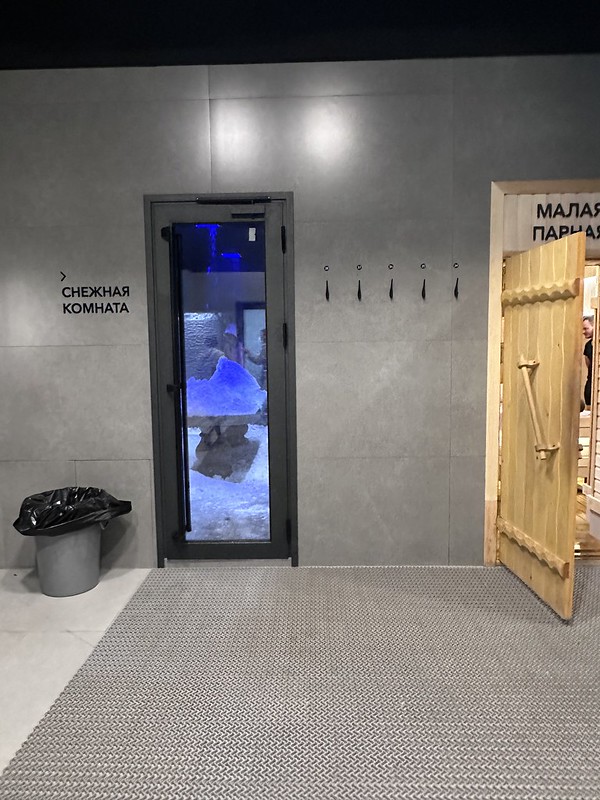
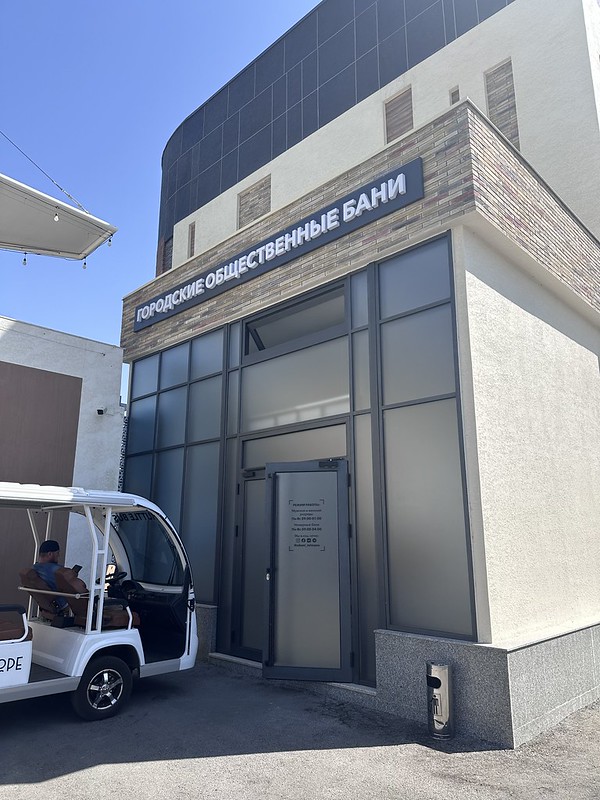
I always enjoy a nice ice bath! Today I went to a new Russian Bathhouse in the city, The бани and it was fantastic. It is located in Central Park, just across the highway from Eco Park in the center of Tashkent. During the USSR times there were many Russian Bathhouses in Tashkent, but they fell out of favor after independence and only now are making a comeback. A big thank you to my friend Phillip and Victor for coming with me today!

We started the day off by entering the group sauna. At the top of the hour, they put on a little show with a different flavor of steam. We all gathered in the huge sauna and the attendant waved a large paddle to push hot air and steam over us. Russian traditional music or Russian rock music played during this time. We went from the hot sauna to a cold pool. After the show, we went back in for a second round without the music and theatrics. I loved the cooling options, which were two pools of cold and very cold water, a snow room (-10C with manmade snow), and an ice bath.

We ordered a traditional 20-minute birch leaf steam sauna/massage and a scrub-down with a birch oil soap and salt. It was totally rejuvenating. There is a Russian saying that a day in the sauna is a day you do not age! I agree! They asked us to wear a bathing suit due to Islamic culture in Tashkent, but the traditional Russian sauna is nude and there were a few naked Russians. There is a women’s section on the top floor that is open on Tuesday and Thursday. I would like to bring the whole family next time and we will rent a private room this winter when Oliver and Owen visit.

I highly recommend visiting the spa, it is not cheap, but worth the experience. I bought a felt hat and crocs so I am ready to go next time I attend.

On a side note, I was reading about the Slavic spirit of the sauna, Bannik (illustration below). He is an old man that hides behind the steam and is part of Slavic mythology. He is mischievous, and can tell your fortune by either caressing your back (good) or pinching you (bad).