We spent most of the past two days taking care of our car. Riverside Auto in Marquette replaced the brake rotors and pads. The rear brakes were not working and the front brakes were very worn. It was easy to diagnose because of the scraping sounds the car was making. They gave us a loaner car (Nissan Sentra) to assist in our 90-minute drive between Caspian and Marquette. The Riverside service team also inspected the entire vehicle and it is ready to go for our big family road trip we are taking in July. The service manager was quite nice and explained to us they were short of certified mechanics and other service people. They just can’t find people to work.
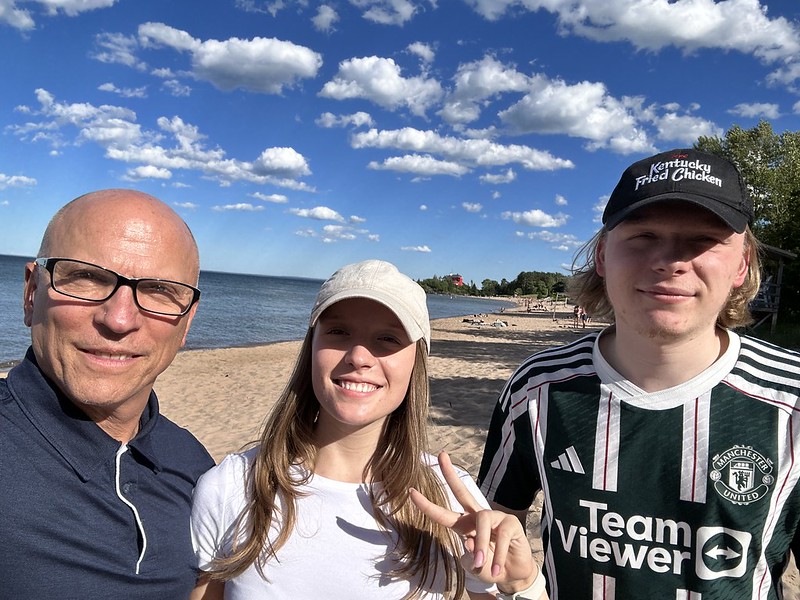
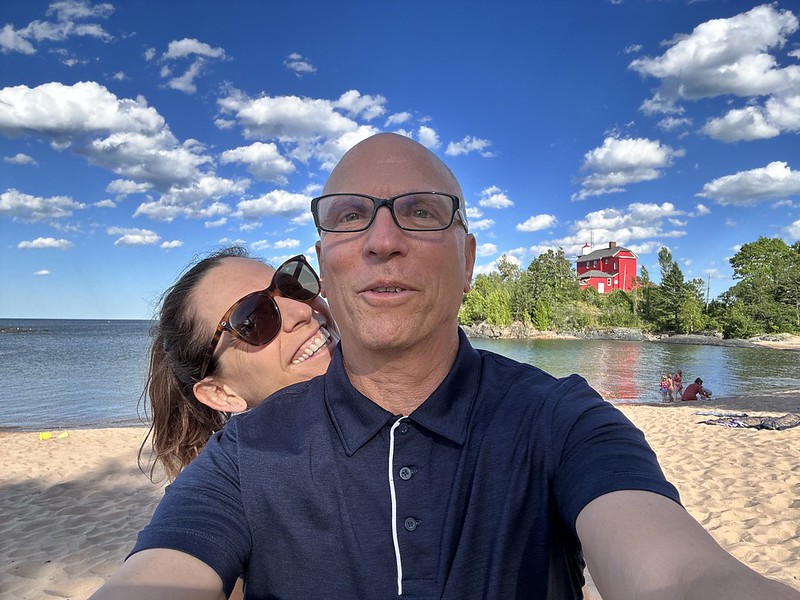
Nadia and Bill at McCarthy’s Cove
After getting our car back and have an OK meal at Texas Roadhouse restaurant, we went for a walk on the beach at Shiras Park. It was an unusually warm evening in Marquette with a warm breeze, not the usual cold winds. There were a lot of people on the beach, not many in the water, though and it made for a delightful post-dinner walk.
Lake Superior
Before leaving for Marquette, Oliver and I visited the Secretary of State and started the process of getting a driver’s license and for him to be a registered voter in Michigan. Always much to do when we are in the USA for such a short time.
The United States Forest Service oversees the National Wilderness Preservation System. The program protects 803 designated Wilderness Areas that cover 111.7 million acres of land (larger than the state of California). American President Lyndon B. Johnson signed the 1964 Wilderness Act to preserve “an enduring resource of wilderness” for future generations. Americans have greatly altered nature and I am heartened that at least a small portion of the land is preserved.
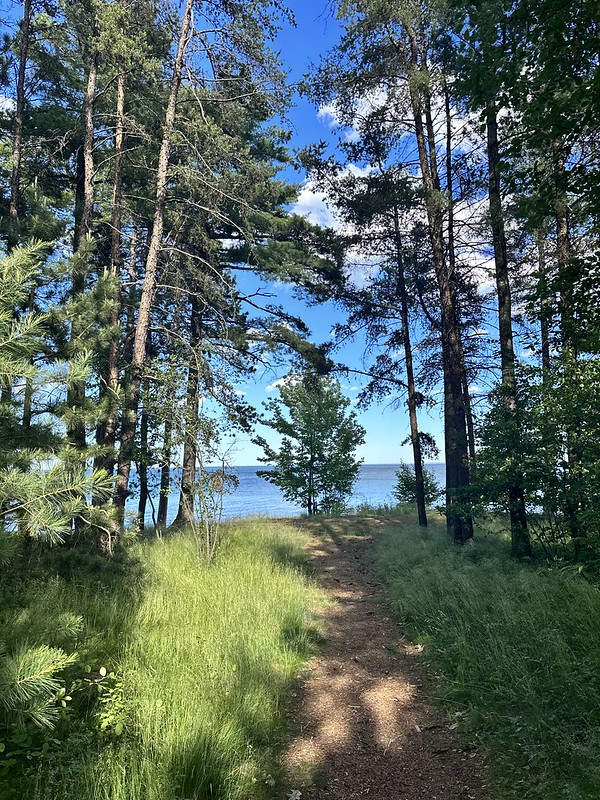
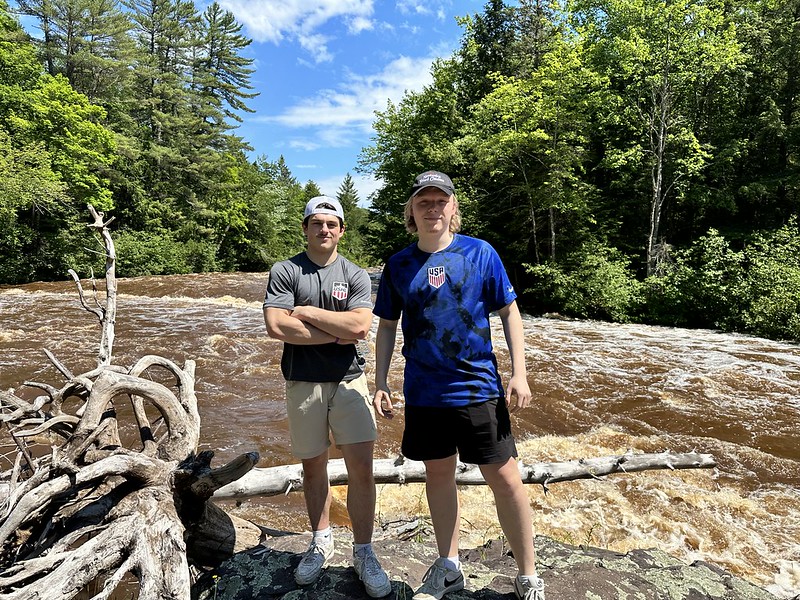
On Sunday I took my son Oliver and my two nephews, Beau and Tony, to visit one of the 803 wilderness areas, the Sturgeon River Gorge Wilderness Area. It is only an hour’s drive from my home and I can’t believe I’ve never been there. It is stunningly beautiful! The interior of the Upper Peninsula of Michigan is rarely visited by tourists. It is not the easiest place to get to with two-track ATV trails and narrow gravel roads being the only access. We had the place to ourselves on a sunny Sunday June afternoon! It is located almost directly north of my village of Caspian in southern Houghton C0unty. In looking at the map, I could easily ride my bicycle to the campground, taking all forest roads.
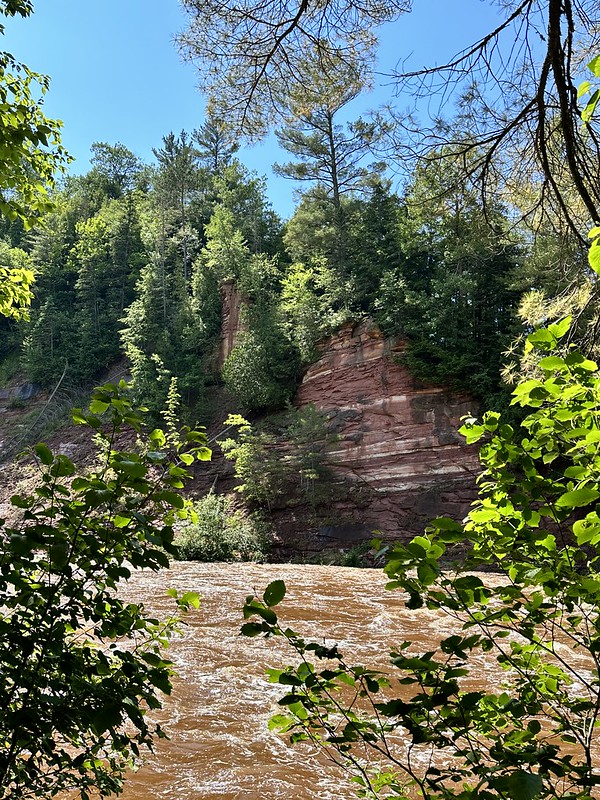
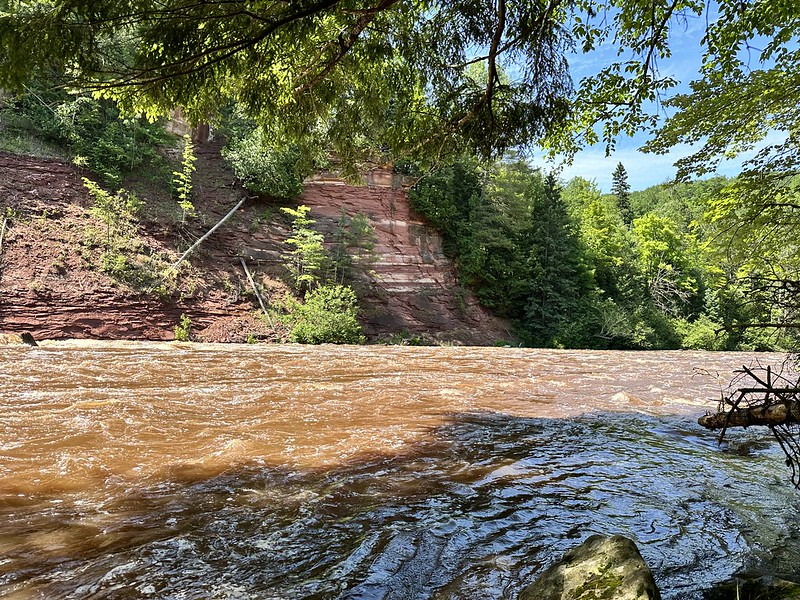
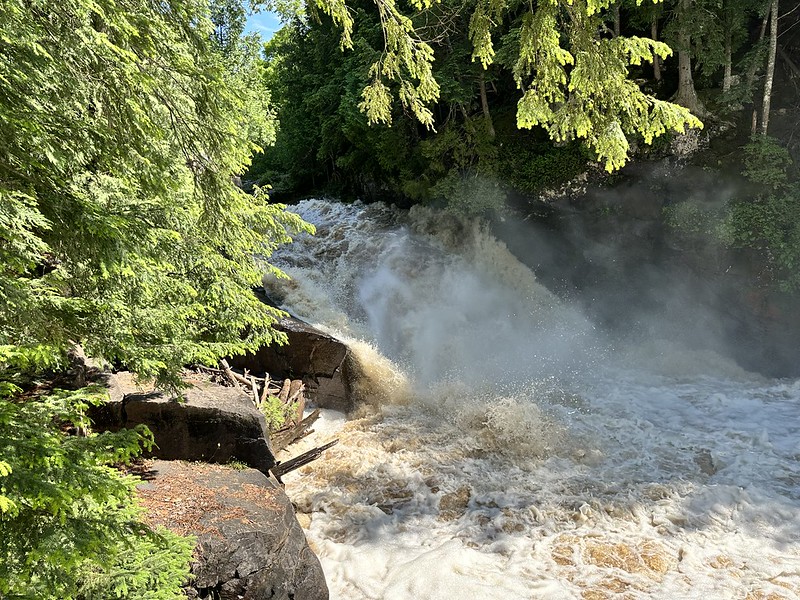
We started at the Sturgeon River Falls trail head. The 1-mile trail is well-marked and runs along the top of the gorge for a short distance before a series of switchback trails leads hikers to the river bank. The wide gorge is approximately 300 feet deep and covered with beautiful trees. It had rained the day before the river was roaring. It looked like a wild version of Willy Wonka’s Chocolate River. The rivers of the Upper Peninsula are brown-colored from the tannins (plant chemicals) from the surrounding forests, especially cedar marshland. The water was not muddy or silty and looked like chocolate in the UP sunshine. The power of rapids exploding through the narrow bedrock was breathtaking. I don’t think one could kayak through it.
The Boys at the Bears Den Overlook
On the way back home we stopped at the Bears Den Overlook, another short trail. With so many trees in the UP it is rare to get long views over the forests. The view over the gorge was awesome and worth the stop. We worked our way about halfway down along a narrow ridge to the right of the overlook before returning to the car. You can see the chocolate ribbon of the river at the bottom of the gorge from the top. I will definitely come back and explore more of the area. The next time I come I will set up a camp at the Sturgeon River Campground, hike the Sidnaw Trail, and ride bicycles up to the falls and overlook and explore a bit more of the area.
As I get further into my 50s I am taking better care of my health. I am trying to stretch my productive and active years as far as they can go. I am watching my diet, which is the hardest thing to do, doing more exercise, and monitoring my health with medical professionals as much as I can. When I go back to the USA, I seek a lot of medical care to get second opinions. I am experiencing pain in my shoulder joints especially my left one for about a month and a half now. It is not debilitating but it does hurt once in a while, especially when I sleep on it or do some movements, pushups, running, cycling, etc. Thankfully my right shoulder is fine and I can play tennis. I am blogging my health to help me and future doctors provide care to me.
Above is the MRI I got in Uzbekistan. My doctor here in Michigan was impressed with the quality and said it was the same quality as Michigan hospitals. He was shocked that it cost me around $50. He diagnosed no major red flags requiring surgery. He pointed out inflammation in the tendon above the joint socket. On the MRI it was lighter in color on the left side. It is an impingement problem when the tissue is inflamed, it is trapped between two hard surfaces. He said I could get surgery and he would shave the bone spur and try to clean the socket and strengthen the tendons. However, he did not recommend this and gave me a cortisone shot and told me that I should be able to continue doing pushups, etc. I have a full range of motion, strength in the joint, and mild pain symptoms. He also indicated that research didn’t show much with sleep position and suggested perhaps it was a psycho-somatic mind trick. When I sleep on my side, I feel that some positions pinch my shoulder so I don’t think it is my mind, but we’ll see. I slept like a baby and my shoulder feels brand new today!
The second MRI image shows the ball of cysts on the bone. He said they are not causing me pain and they do not need to be removed. I appreciated his opinion and care. I felt he had my best interests in his mind and that I was in good hands. Thanks Dr. JD! I’ll monitor my shoulder this summer and see how it goes.
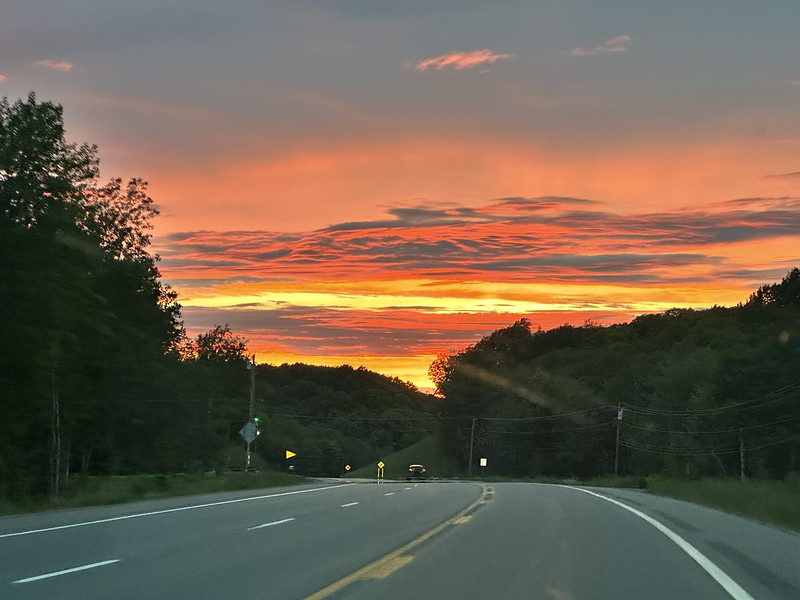
We made it to the Upper Peninsula of Michigan. It is my childhood home and I love coming back and visiting! Waves of nostalgia roll over me as I remember past friends, my parents, and my youth. The beauty and solitude of the Upper Great Lakes forests, rivers, and lakes reenergize my spirit. The UP skies gave us a spectacular sunset upon arriving at the KI Sawyer International Airport (formerly a US Air Force Base). The fresh air and cool temperatures (15 C) were an antidote to the hot, dusty climate of Tashkent.
Ocean, Oliver, Andy (Chicago, Illinois)
I was pleasantly surprised that my travel plans worked out. Nadia and I needed to go to Philadelphia during our layover in Chicago. I managed to get flights leaving Wednesday evening after we arrived at O’Hare and return the next day before our evening flight up to Marquette. So after a 5-hour and 11-hour flight from Tashkent to Chicago, connecting in Istanbul, Nadia and I took the 2-hour flight to Philadelphia. It was delayed by an hour which was OK because we only needed to get there in the evening. We were the first customers at the bank on Thursday morning. We needed to be present at a branch of our bank to make a transfer of funds. Immediately afterward we Ubered back to the airport and caught an 11:48 AM flight to Charlotte, North Carolina (90 minutes). Charlotte’s airport showed the vibrancy of the economy there, a real energetic feeling. I hear a lot of good things about North Carolina. The connecting flight was on time and we felt relief meeting Oliver and Ocean in the terminal.
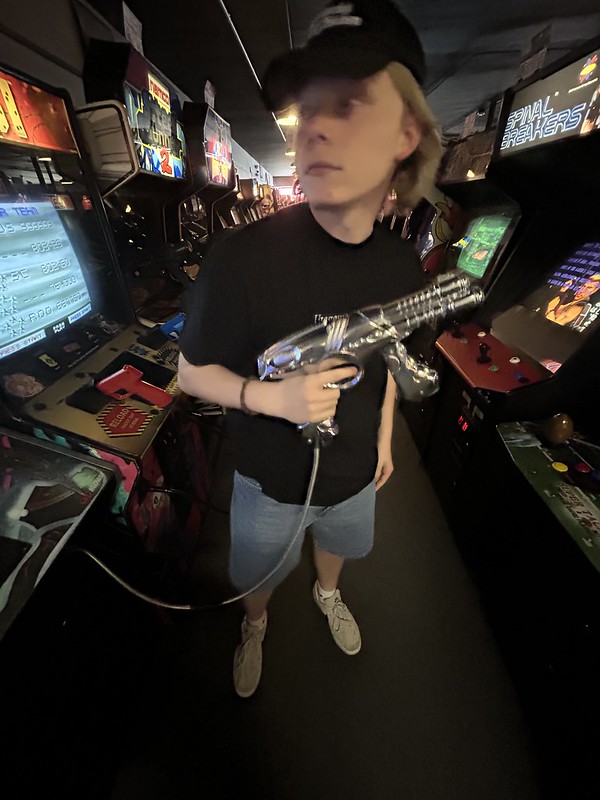
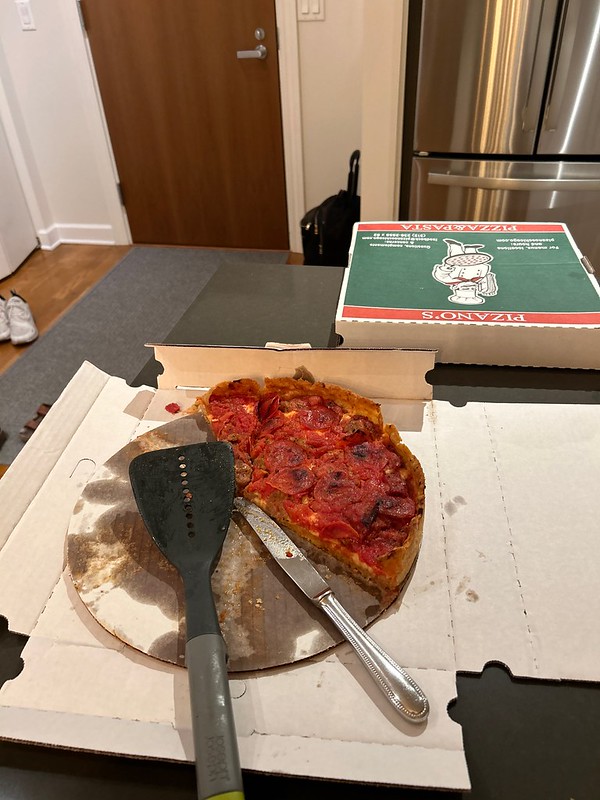
Oliver at the ArcadeChicago’s famous “deep dish pizza”
My brother and his wife hosted the kids. Oliver and Ocean had a great time in Chicago, the highlight being a 3-hour visit to a vintage arcade place. I am glad they were able to order an iconic Chicago “Deep-dish Pizza”. I always laugh thinking about Jon Stewart’s bit on the deepdish! We arrived exhausted Thursday night in Marquette and stayed the night at my son’s college rental. We are renting our home in Marquette but thankfully, Owen is still a student at Northern Michigan University. His roommates are mostly gone for the summer so it worked out.
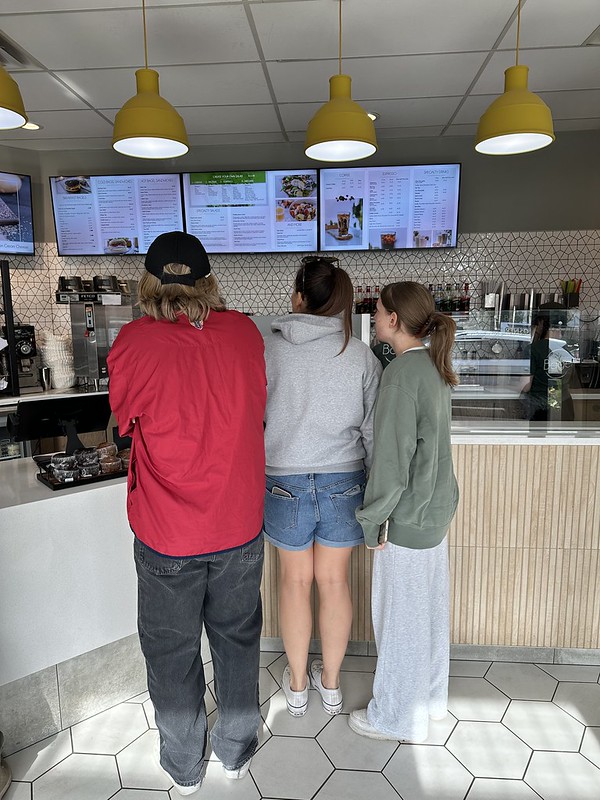
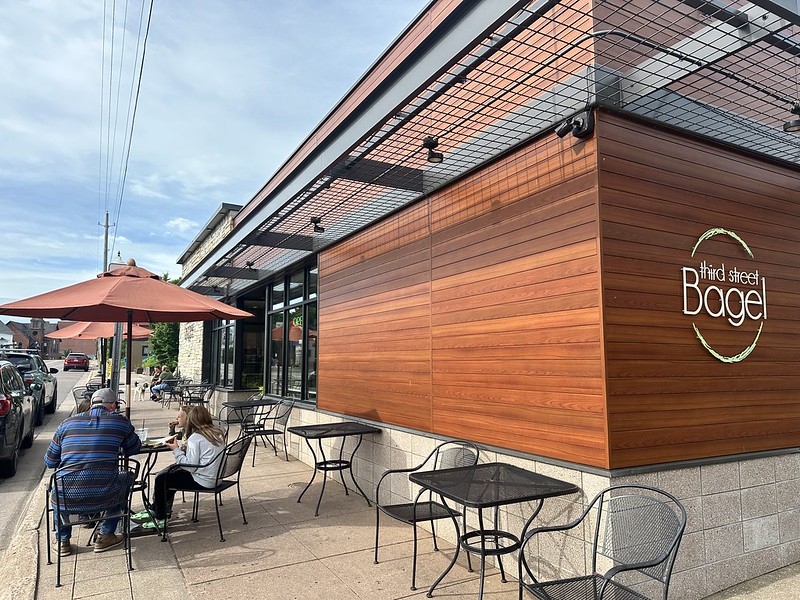
Olliver, Nadia, and Ocean Third Street Bagel
We love Marquette and walked to a delicious and cut cafe, Third Street Bagel. Marquette is home to Northern Michigan University and has a great regional hospital. With a population of over 20,000, it is an island of sophistication in the rural, north of the UP. The bagels were perfect and a great way to start our day.
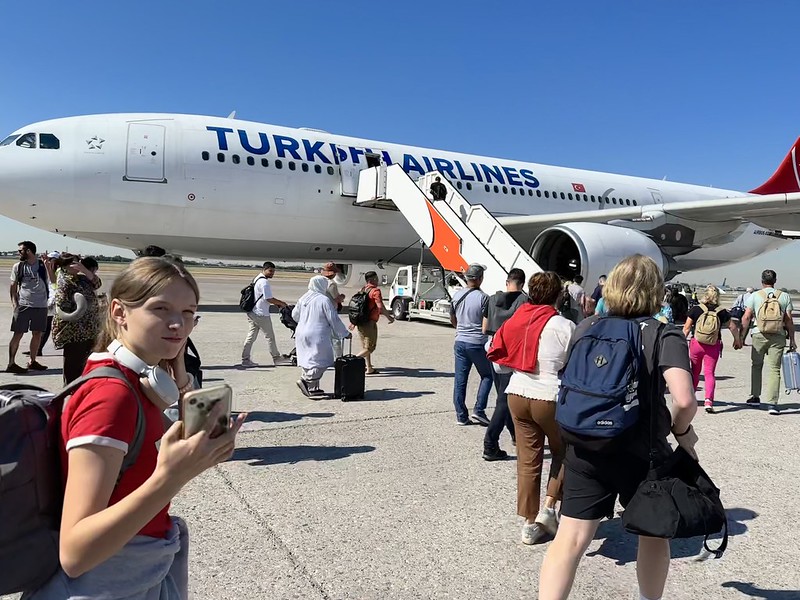
Oeaan and Oliver board our Turkish Airlines Flight in Tashkent
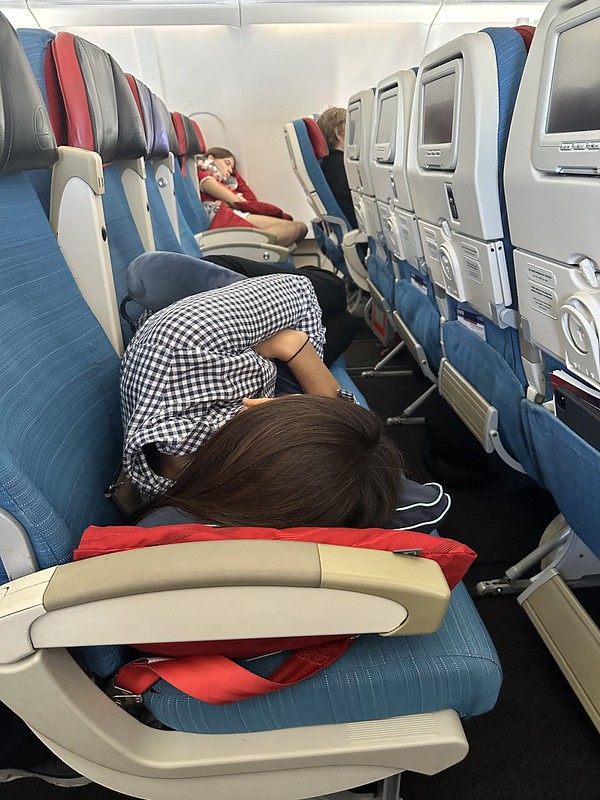
I am writing this while on the floor at the gate for our flight to Philadelphia on Juneteenth. We flew from Tashkent to Chicago via Istanbul today. The 5-hour flight to Istanbul was great because there were lots of open seats and Oliver and Nadia both had a row of 4 seats. They were able to sleep the entire time. We were not so lucky on the Istanbul to O’Hare flight as it was full. It was a grueling 11 hours. Nadia and I shared a row of three with a little girl which made the flight tolerable. Oliver and Ocean both had middle-row seats. I booked aisles for them but there were software problems at the Tashkent Airport, thus having us spread out on the plane.
Nadia & Ocean Sleep in the “Kralovec Row” on flight to Istanbul
Ocean and Oliver are staying with their Uncle Andy and Aunt Chantel tonight here in Chicago. Nadia and I are flying to Philadelphia to make a bank transfer. We use TD Bank and they are only on the east coast. We are buying a vacation home in Saimpata, Bolivia. Due to splitting the cost with Nadia’s sister, we are paying in cash and owning it. It is on Air BNB, so we hope to recoup some of the costs or at least make enough to renovate it. I’ll post more about it later once the deal is through.
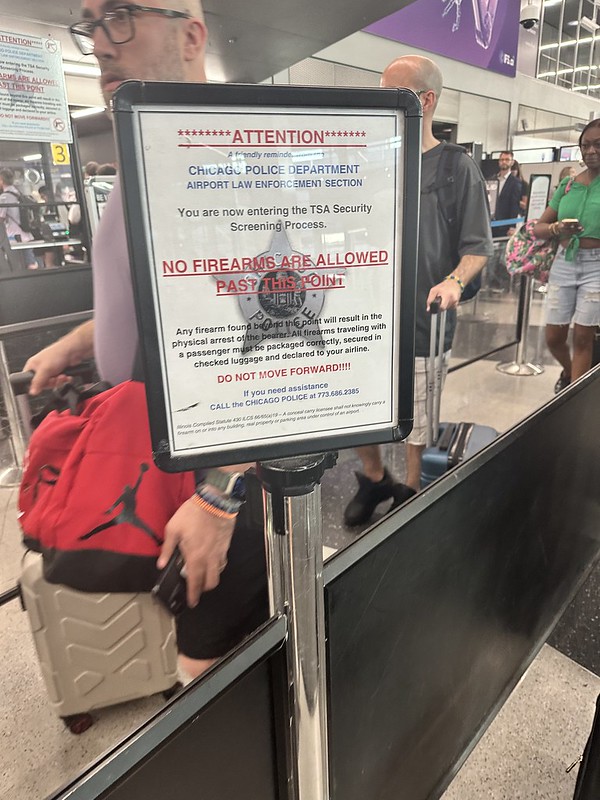
After traveling through Istanbul and Abu Dhabi, I forgot how nicer many international airports are compared to the USA. I was reminded we are back in the USA with this sign at the American Airlines security check-in desk. What other countries do you need to remind people that they can’t fly without their personal firearms? After a flight delay of an hour, we made it to Philadelphia!
I took advantage of the Eid Al Adha holiday and rode my bike in the center of Tashkent on Sunday. Traffic was extremely light and it reminded me of during the COVID pandemic when I could ride without cars every morning in early 202o. I often ride along the Ankhor Canal but because of clear roads, I photographed the canal from the bridge instead of from alongside the canal. I often walk Obi or ride my bike along the canal while waiting for Nadia to complete her 2-kilometer swim. Ocean and her have been swimming quite a bit and I am happy that she is exercising again. She has been battling lower back pain and swimming relieves this.
Ankhor Canal – Tashkent
June is a time of farewells as many expatriates move posts during the summer. Last night we had a final dinner at Tom Yum Restaurant. Our friend Zehavit is leaving in a few weeks and we wanted to say goodbye. On Sunday night we attended a BBQ and said goodbye to Heather & Matt and Anna & Samir. Such is the life of global nomads. The good thing is we are all in this together and learn to make new friends quickly and reignite friendships from the past when we see each other.
Bill, Bibi, Zehavit, Chloe, Nadia, Lisa
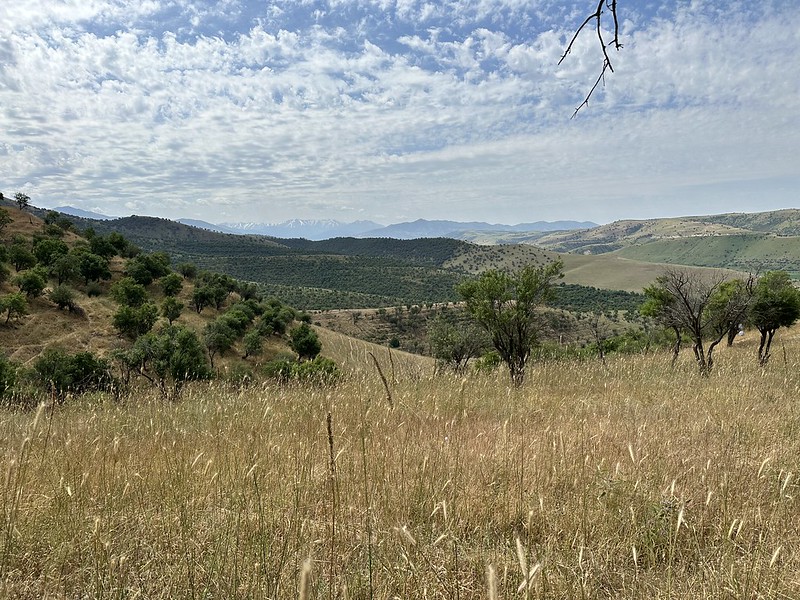
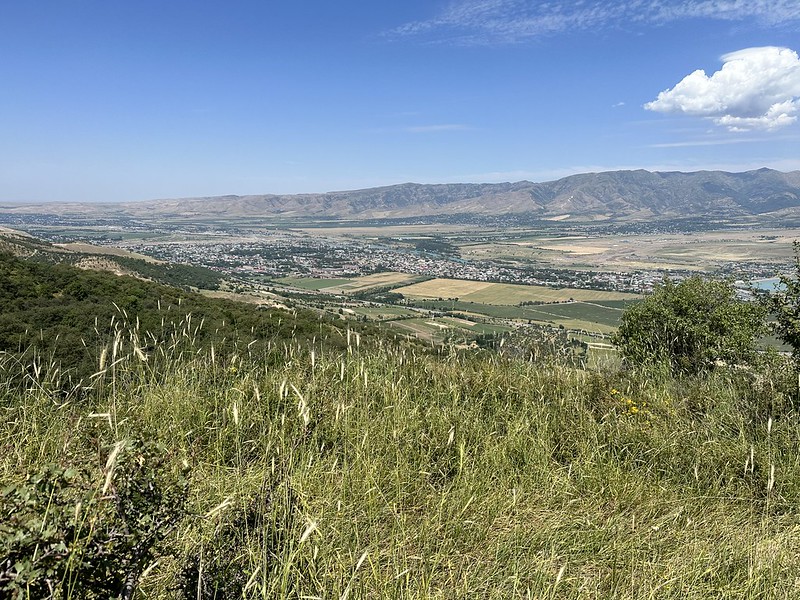
Early Monday morning I got out of Tashkent for a hike in the foothills of the Tien Shan Range. The landscape at this time of year reminds me of the parks in southern California. It is a couple of weeks away from being completely brown as the summer sun in Central Asia is relentless. I hadn’t gotten out in a few weeks and it was nice to recharge my batteries in nature. I always feel better after a walk in wilderness. The area is just off the highway on the ridge overlooking the town of Gazelkent. I think it is privately owned and there is a decent access road. The rolling hills with many Hawthorn trees make for a pleasant day.
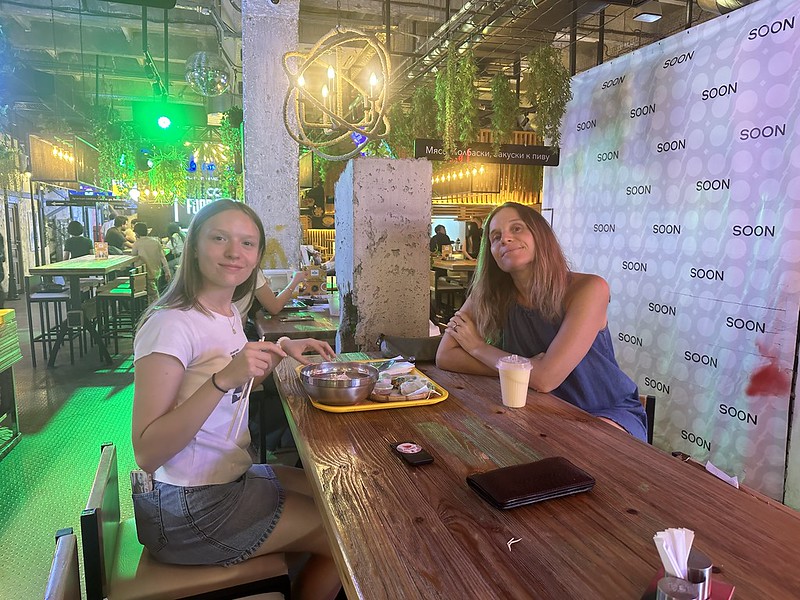
The city is developing at breakneck speed after 25 years of a repressive government under the first Uzbek President, Islam Karimov. Friday night we wanted to leave the house because my son Oliver was hosting a party of his friends. I wanted to check out FoodMall Tashkent and it was really good. It is modeled after those food courts you find in shopping malls and other areas that recreate an Asian night food market. Ocean tried Pho Boss (Vietnamese) and I tried the Thai stand. Both dishes were delicious. It is near Westminster University and there were a lot of upper class, hip university-age people there. I thought the music was a bit too loud, but other than that, it was a good experience.
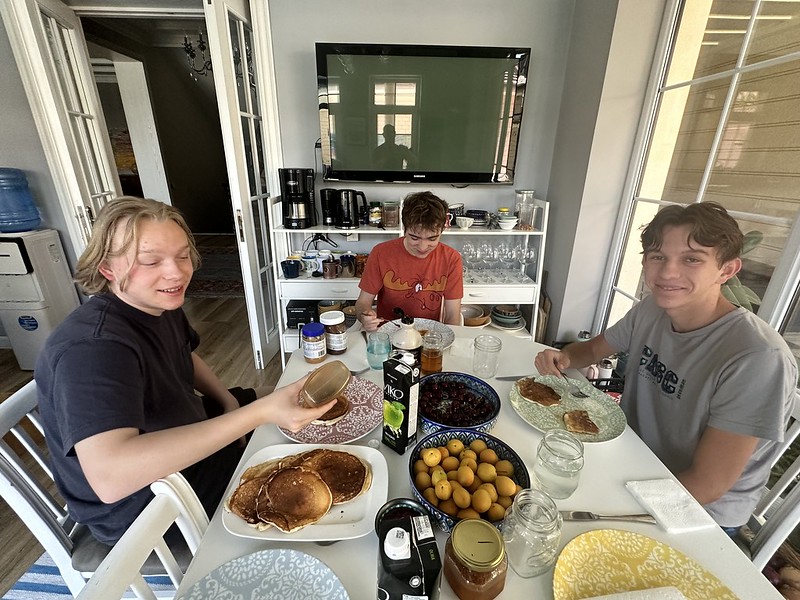
I love the sound of kids at our house and it was with pleasure that we prepared a pancake breakfast for Oliver and his friends who slept over on Friday night. International school students are so nice that they tidied the pool area and kitchen after the party. Oliver is with two of his best friends, Anton and Tristan. Nadia and I savored the opportunity to talk with them.
Owen with Ted Cruz and fellow intern Justin at the Congressional Softball Game
I love the photo Owen sent above of Texas Senator Ted Cruz. Owen is an intern for our District 1 Michigan Representative Jack Bergman this summer at the Capital. He is having a life-changing experience there and it is good to see him stretch himself and grow. He has gained a special insight into how the US government works and we are proud of him. I can’t wait to see him next month when we visit.
Crown Plaza on Ankhor Canal Bill and Chahin
Last night I combined a cycle ride along the Ankhor Canal and playing paddleball with friends. UzPadel has 3 really nice courts right under the Tashkent TV Tower and I play occasionally with Dmitry, Walid, and Chahin. One of the benefits of being an expatriate is interacting with people from all over the world. Last night’s foursome we had an Uzbek, French, Russian, and American on the court. I like the camaraderie of sport and although paddleball is not as good as tennis, it is a better workout than pickleball. The canal ride home was beautiful at sunset. A new hotel, the Crowne Plaza is now open, and the front lobby opens up directly on the 5-kilometer walking/cycling path on the Ankhor Canal. It would be a nice place to stay if you like to exercise.
I end this post with a video I shot while riding next to the Minor Mosque. From Saturday to Tuesday in Uzbekistan, they are celebrating Eid ul Adha (Feast of Sacrifice) which commemorates Abraham’s love for Allah demonstrated by his willingness to sacrifice his son. Abraham figures in Christianity, Islam, and Judaism and can be used to connect these three major world religions. The story is found in both the Book of Genesis (first of five books of the Torah) and in the 37th surah (chapter) of the Quran. Police were setting up metal detectors and controlling parking and traffic in front of the mosque in advance of services to start the holiday. Both Monday and Tuesday are national holidays here.
A Kralovec child finally makes the Honor Roll! Ocean’s academic average of 6.125 qualified her for the Principal’s Honor Roll. She had her last day of Grade 10 yesterday. We were proud of the hard work she put in to reach this level. Owen also made the Dean’s List at Northern Michigan University last semester, so things are looking up on the academic front for the Kralovec children.
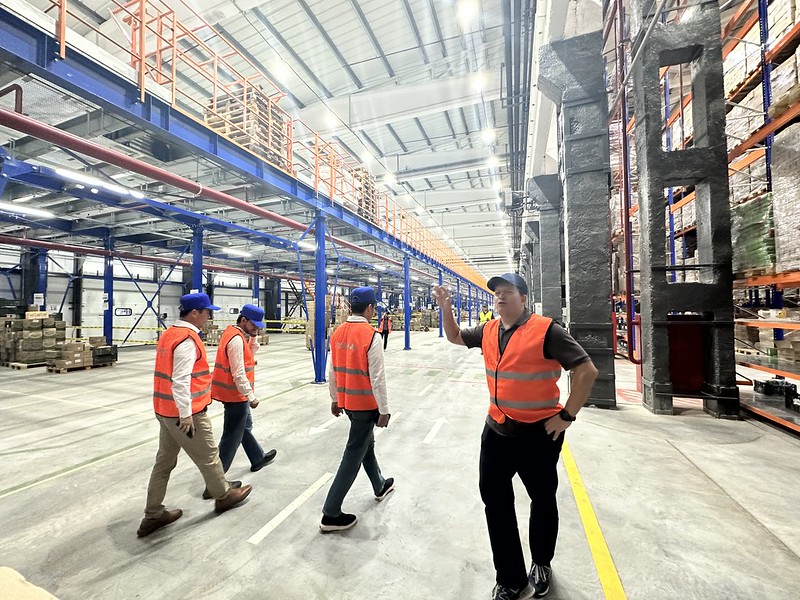
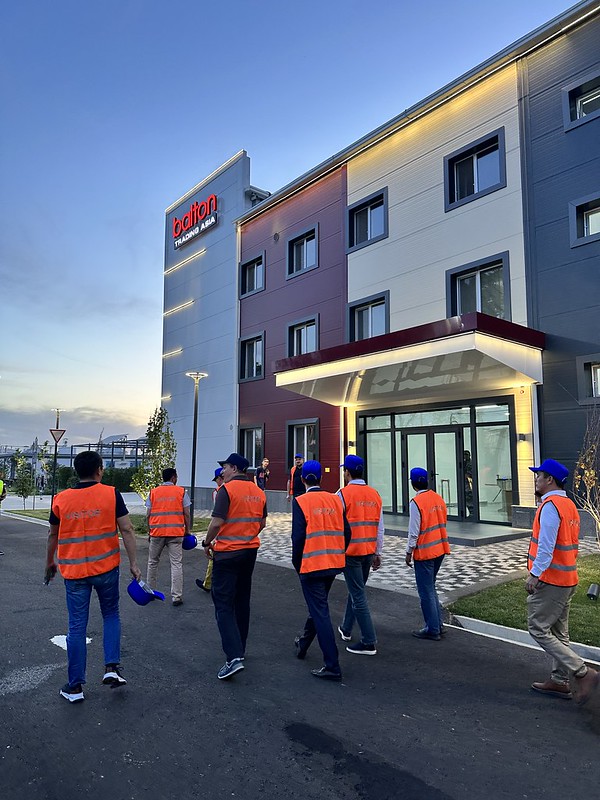
Last night I took a tour of a new warehouse in Tashkent. My friend Phillip hosted an American Chamber of Commerce Business Mixer which included the tour. Balton Trading is a distributor of groceries, supplying over 20,000 stores in Uzbekistan. The state-of-art warehouse uses solar power and has many high tech features. My big takeaway from the experience was I never think about the logistics of putting something into my grocery cart. The amount of work that goes into the convenience of finding a product at a grocery store is a lot! It reminded me of shopping at Costco as the place was massive. It was cool that the company supplies not only the big supermarket chains (Korzinka, Makro) but also the smaller mahalla stores. Thanks Philip for an enjoyable evening.
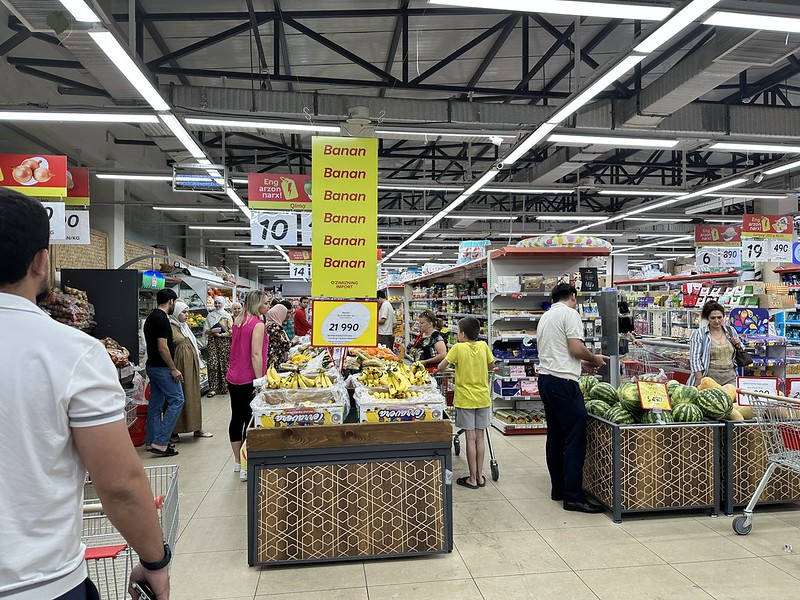
Uzbek culture is a nocturnal one, especially during the summer months. I took the photo above in our local supermarket “Korzinka” (basket or trolley in Uzbek) at 10:15 PM on a Tuesday evening. The store was full! If this was America, there would be much less shoppers in the grocery store at this time, with peak times most likely immediately after work on weekdays (4:00 – 7:00 PM) and on weekends from 10:00 AM – 1:00 PM. Not so here in Uzbekistan. I especially notice early mornings, most people are still in bed. I think in part it is the culture, Ramadan is another time that encourages people to sleep in, and in the summer, the hot weather.
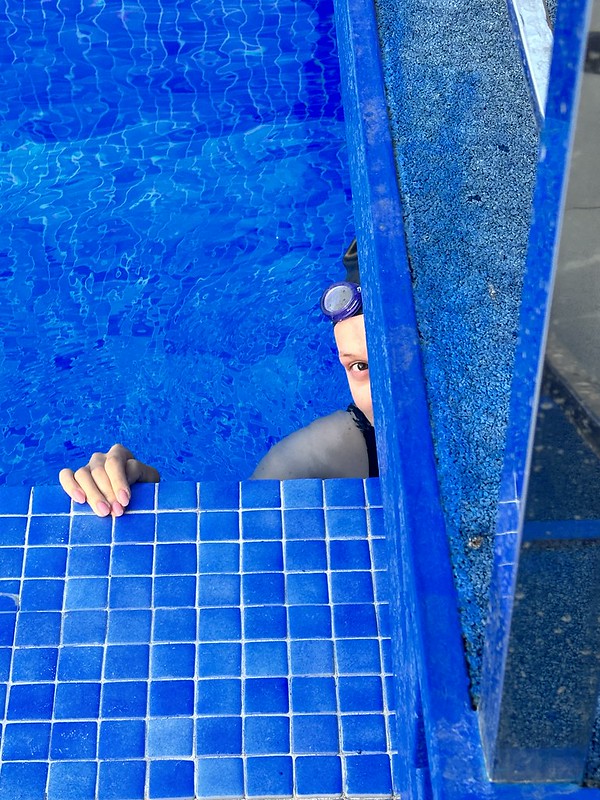
Ocean and Nadia are swimming at BeFit Athletic Club here in Tashkent. They have a 50-meter, outdoor, heated pool and they go several times a week. It warms my heart to see them doing something together and of course, exercising. Both of them are looking in better shape.
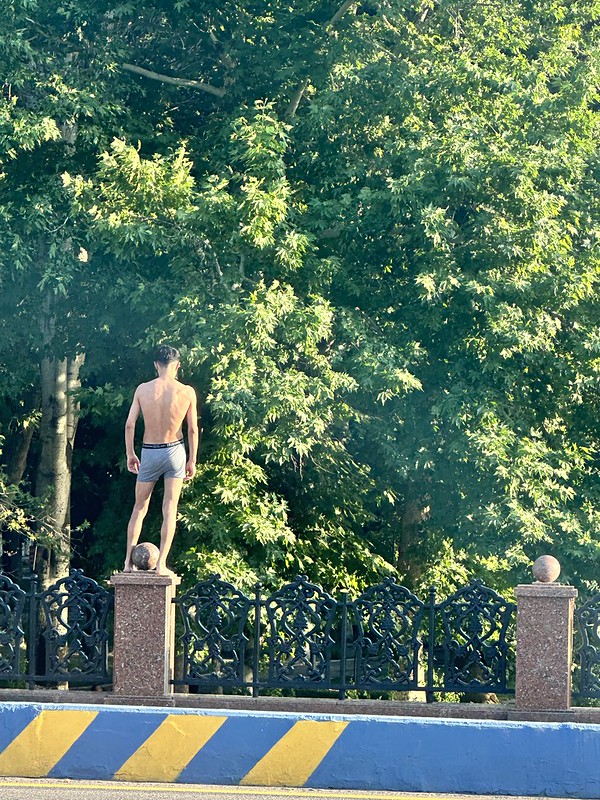
I had to laugh seeing guys in their underwear while driving in Tashkent. They were jumping from the road bridge into the canal. Swimming in the canals is a Tashkent tradition during the summer. They eschew swim trunks, probably for financial reasons. The current is quite strong and the water cold, but it must feel refreshing as I often see mostly older Russian men and women and then Uzbek guys, cooling off. I don’t know the water quality and there must be drownings because of the swift currents. One of the signs of summer…
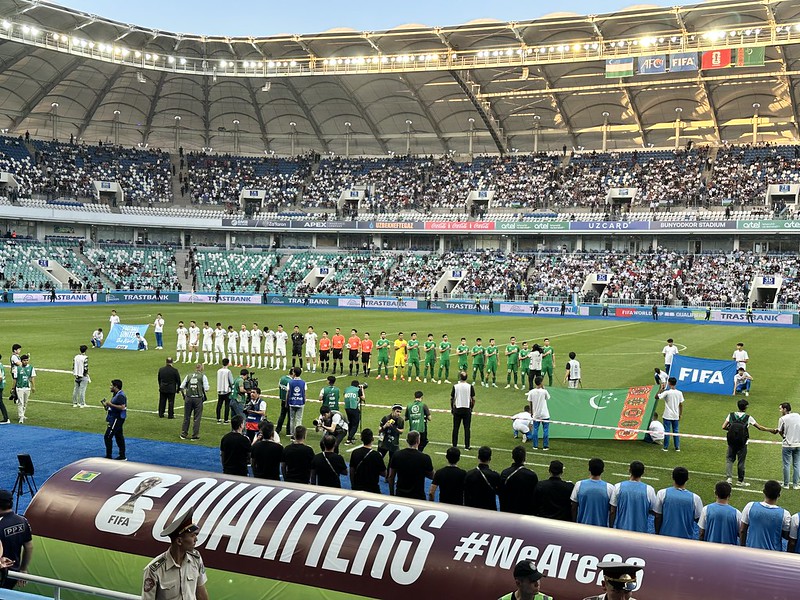
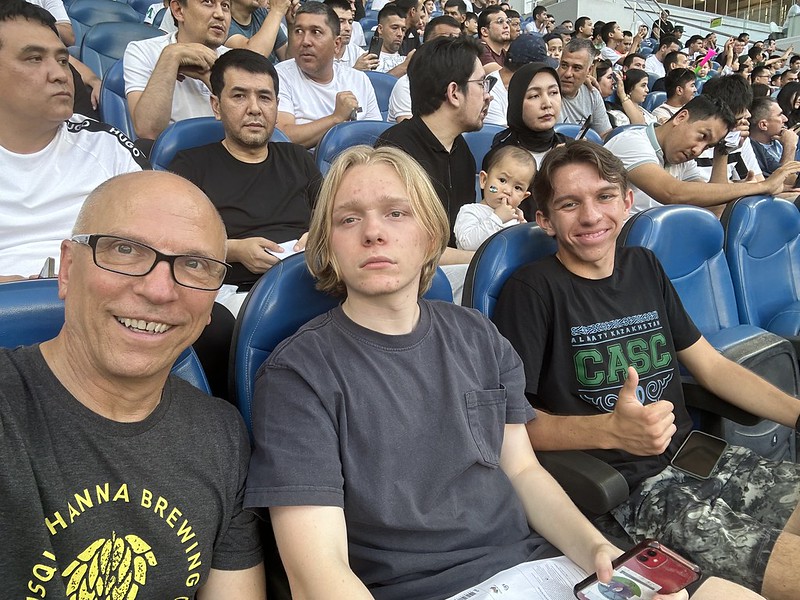
Oliver and I attended the Uzbekistan versus Turkmenistan Asian Football Confederation (AFC) World Cup Qualifier Match last night at Bunyodkor National Stadium in Tashkent. Uzbekistan was the clearly better team and dominated for a 3-1 victory. The stadium was almost full and the highlight for me was to spend time with my son and his friend Tristan. Oliver loves soccer and I was pleased to help us go to the game. It was a bit of a hassle to find parking, enter the stadium and find our seats, but overall, it was an entertaining experience.
There are 46 teams in the AFC and they are playing for 8 guaranteed spots (a ninth spot may be granted if an AFC wins a playoff against the South American representative) in the 2026 World Cup that will be hosted by Mexico, USA, and Canada. They are almost at the end of the Second Round and Uzbekistan and Iran will advance to the Third Round in this group. Uzbekistan will be one of 18 teams in the third round, vying for the 8 spaces. The top teams in the region in the third round will be Japan, South Korea, Saudi Arabia, Australia, and Iran.
I predict Uzbekistan will make it for the first time in their history! I noticed two good players on the team. #11 Oston Urunov, a 23-year old attacking midfielder who plays in the Iranian league. The captain, Eldor Shomurorov, a tall (6 foot 3 inches) striker that plays for Cagliari in the Italian Serie A club, is also a great passer and goal scorer. The third round starts in September 2024 and finishes in June of 2025 and so hopefully I can go to another match next school year.
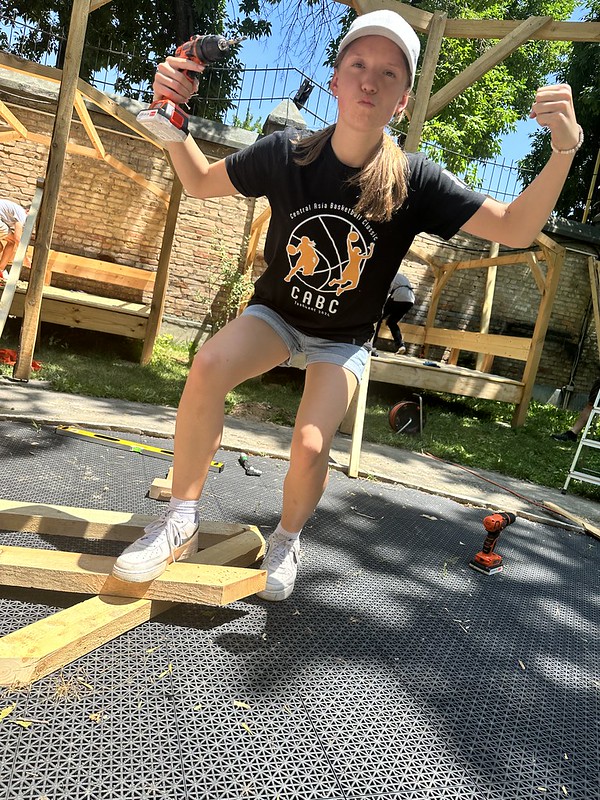
I was tickled to see Ocean building a pergola in her design class at school earlier this week. She loves working with her hands and is quite good at woodworking and contract work. Her Uncle Andy would be proud! The class designed and is building an outdoor relaxation area for the school which includes two topchans, an outdoor pizza oven, and a pergola sitting area.













 Bill's Blog