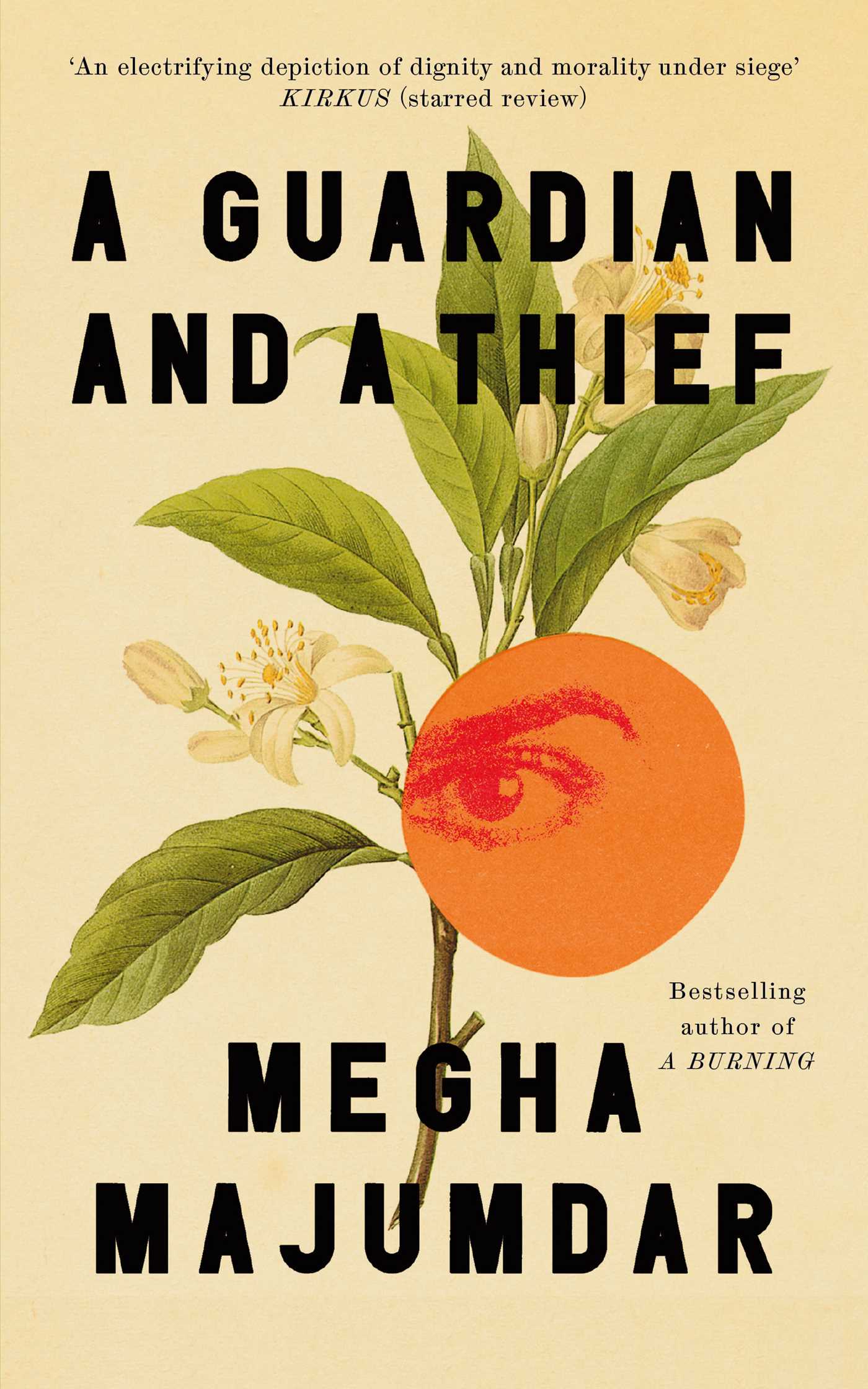
Majumdar’s novel takes place over seven days in Kolkata (formerly known as Calcutta), India. It is in the future, and climate-induced floods and droughts have created famine in the country. The story follows two desperately poor and starving families, both trying to escape their situations. Majumdar’s writing helped me understand the plight of the poor and the lengths people will go to survive and take care of loved ones. We will eventually see the impact of climate change on our food supply in some parts of the world, maybe in my lifetime, but certainly in the lifetimes of my children and grandchildren.
In the first family (the guardian), the main character “Ma” is the mother of a two-year old toddler, and also lives with her elderly father. Her husband found a job at the University of Michigan in Ann Arbor and secured paperwork for them to join him in Michigan in the “climate visa” program. In the week leading up to their departure, their passports with the precious visas inside are stolen by “Boomba”, who we learn recently arrived in the city from the countryside. Ma runs a shelter and food pantry in the city where Boomba sometimes stayed. The story kept me turning pages to find out if they could retrieve the passports and leave for a better life in my home state of Michigan.
I liked how Majumdar described how Boomba became a thief. His family (parents and younger brother) is living in a makeshift shelter on the verge of starvation in a village several hours outside of Kolkata. He is a self-starter and comes to the city to find them a proper home and enough food to live a decent life.
The novel, in a sense, is a post-apocalyptic story of humanity competing for scarcer and scarcer resources. It is subtle, though, and shows in real time the breakdown of the institutions that protect the dignity of our lives. For example, the police don’t care to investigate the break-in of Ma’s home because they are dealing with outbreaks of violence throughout the city. The regular sources of food procurement, street markets, super markets, etc. are slowly turning into black markets, and people are forced to protect their dwindling food supplies. This could eventually lead to a Mad Max-type world with warlords and violence being a part of everyday life.
It also made me think about the responsibility of richer countries like the USA. Our extravagant lifestyles, powered by fossil fuels, are the cause of the famine. What responsibility do we have to take care of the climate refugees?
Showing my age, I could relate to Ma’s father, “Dadu”. He didn’t want to leave for Michigan in part because, “There would be nobody in that place acquainted with his boyhood self.” He knew he would be a “diminished version of himself – uncertain of social mores, unaccostomed to the accents, wary of car culture.” I see where the call to home comes from as one ages. The other vignette from Dadu that resonated with me is when he buys his granddaughter a painting of a rhino, instead of using all of his funds on food supplies. “That would be his mode of immortality,” that the daughter would have the painting, long after he is dead. He imagines her saying, “My dadu got it for me. I had a Dadu once, whom you never met.”
I learned about Ibn Battuta, a 14th-century Moroccan explorer who is the equivalent to the West’s Marco Polo. I had seen the name but didn’t know much about this life.
I won’t spoil the ending of the novel in this blog post. It is a tragic story for all involved, including the millions of climate refugees who are not featured in the novel.

 Bill's Blog