
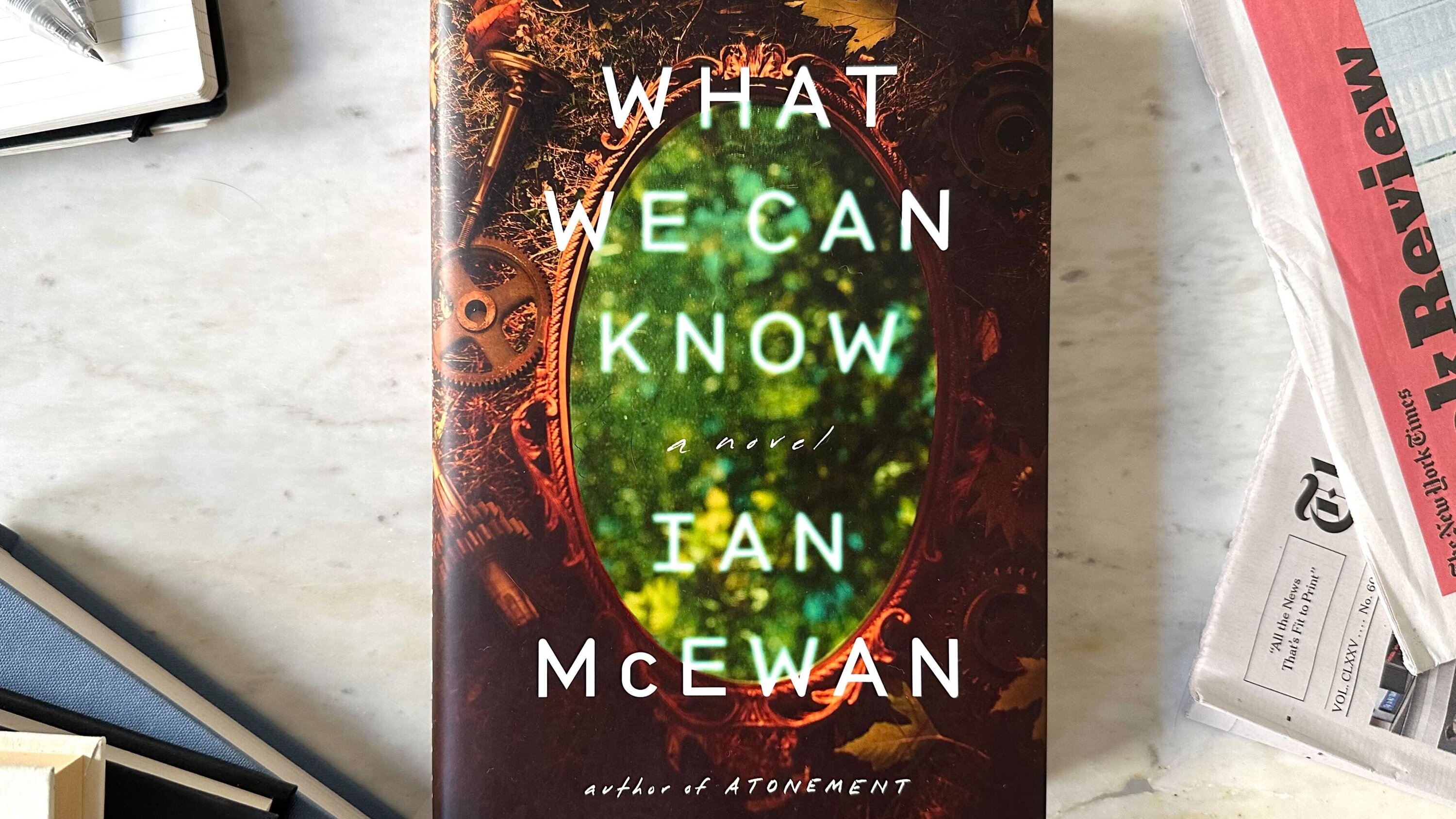
McEwan’s novel is set in a dystopian future in the year 2119. The polar ice caps have melted, causing much of the Earth to be underwater. Combined with nuclear disasters, it is a diminished world. Two university history professors, Tom and Rose, specialize in our current time, and specifically on the life of a great poet, Francis Blundy. He wrote a famous poem, “A Corona for Vivien,” that he read aloud at a party for his wife in 2014. Copies of the poem were lost to history, and Tom is obsessed with finding it. The world of 2119 is diminished, with England being an archipelago of small islands, travel is limited due to the fall of the rules-based order of the world and less fossil fuel use. He looks back longingly at the abundance and ignorance of societies that led to his world of the future.
He has a lot more data to work from than historians of the past. The entire internet and digital communications were saved. Tom can read emails, texts, social media posts, and even journals that were preserved. McEwan asks the reader in the title (What Can We Know) that even with all this information about the past lives of these people, there is still a lot that historians cannot know. In Part II of the book, there is a big plot twist, with Tom finding map coordinates as a clue in one of Vivien’s diaries. Buried under the location point, Tom and Rose find out about a crime Vivien committed and the consequences of that crime. Researchers could not learn about this through the mountains of correspondence and digital information. It made me think about how much we can actually know about the past. Take, for example, the historical Shakespeare or the historical Jesus; there is not a lot of data to go on to piece together their lives. I wonder how much of my life will be available for future generations? Most people are completely lost to history. On a more intimate level, people keep secrets, and how much do we really know about even people who are close to us?
Historians from 2119 call our era The Derangement (mass migration) and The Inundation (flooding), and I could see McEwan writing this book as a warning to us. He might think, like many people do, that human civilization is fraying at the edges and might be starting a downward spiral. Climate change will be a huge disruptive force in the future, and as McEwan imagines, could easily break down the systems humanity has built to support our flourishing. I see why we don’t reduce emissions into the environment; the pain it will cause is far (I hope) into the future.
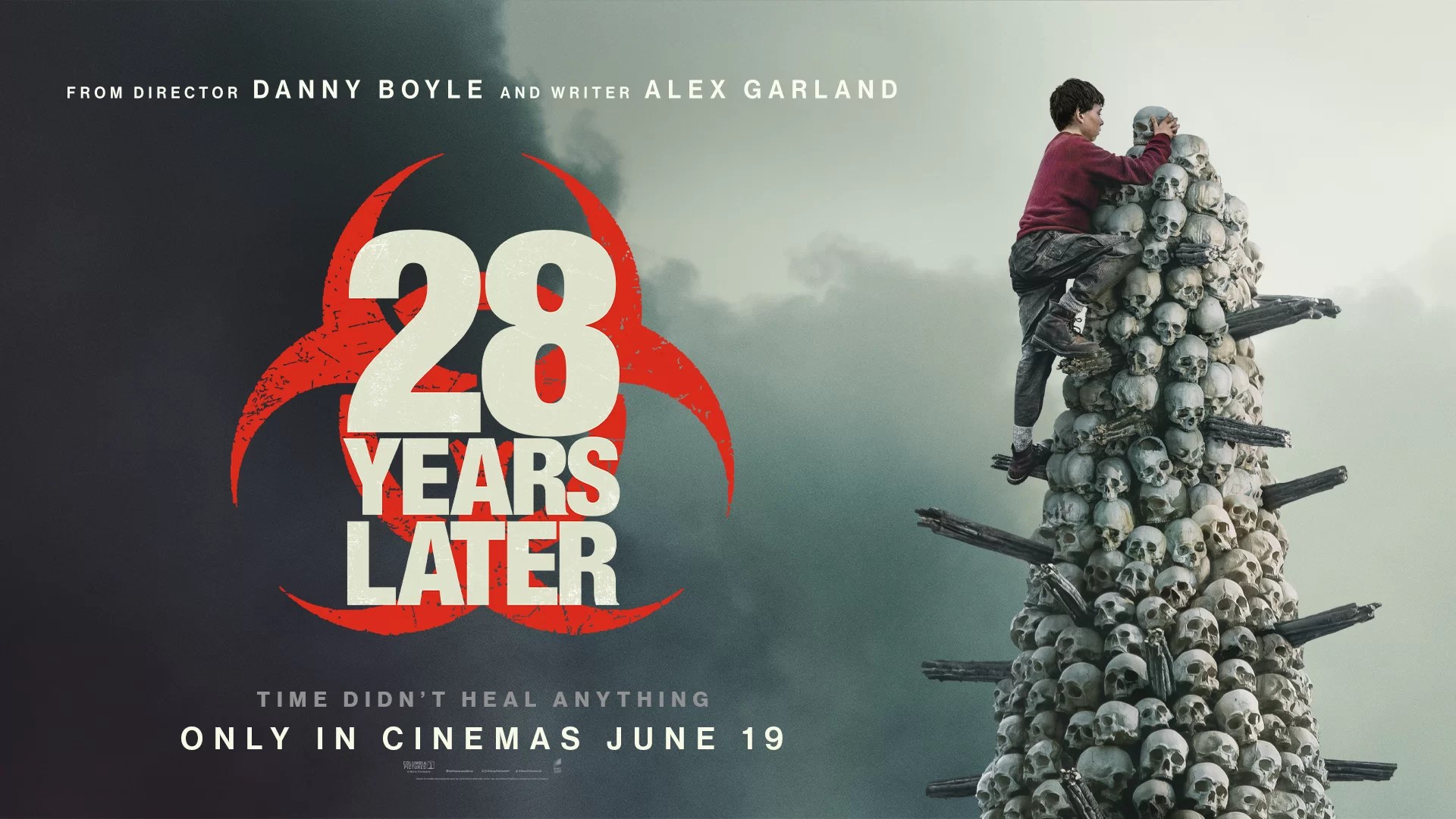
I watched 28 Years Later (2025), another dystopian future, but this time, it is the “rage virus” that causes a zombie apocalypse. This is the third movie in the series. The first two were famous for having fast-moving zombies instead of the traditional, Thriller-like slow-moving zombies. In the 2025 film, the UK has been quarantined from mainland Europe, and no one can leave or enter. It is a coming-of-age film that features, “Spike”, who at 12 years old and lives in a civilized community on a small island off the coast of mainland England. They are protected by the sea and the tides. The community celebrates when a teenager makes his first visit to the mainland and gets his first kill of a zombie. An interesting twist, there are now “Alphas” that are huge, smarter zombies that can order zombie followers to attack humans. Spike leaves the community eventually to find a doctor on the mainland. Ralph Fiennes is brilliant as the eccentric doctor. I love apocalypse movies and zombies, so I recommend this. Boyle is famous for Trainspotting and Slumdog Millionaire, although I didn’t like the artistic imagery he added in this film. In researching this blog post, I discovered there is a fourth movie in the series that came out in January 2026. I’ll have to check it out.
 Bill's Blog