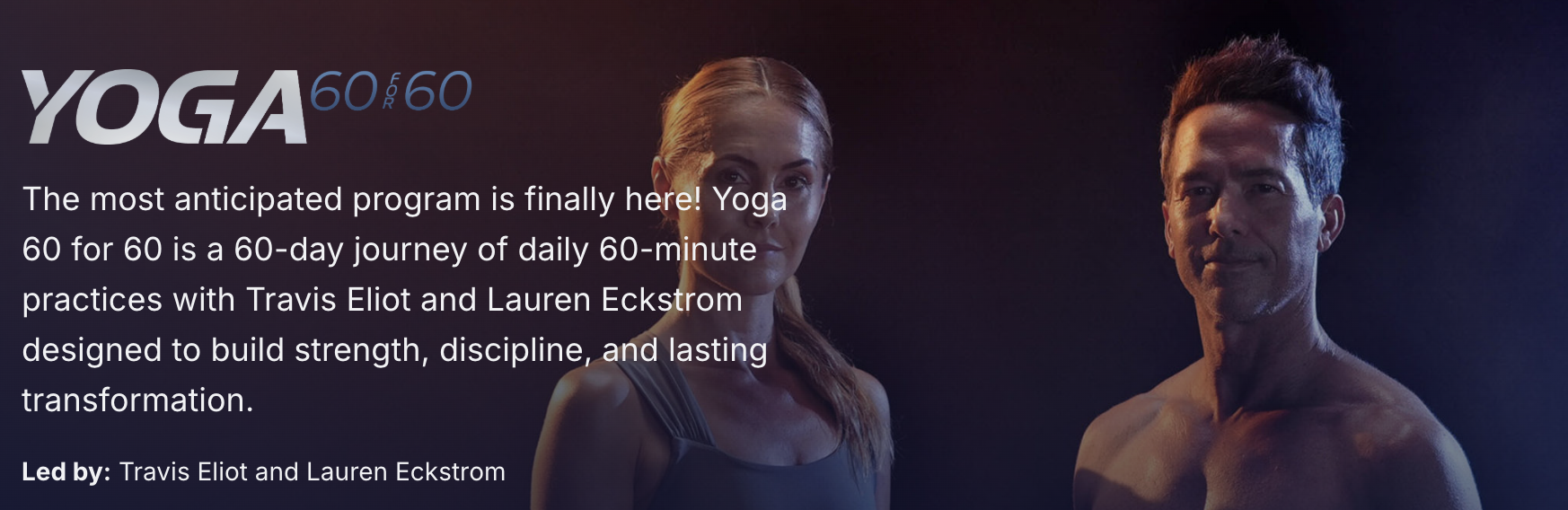
I am looking forward to the Inner Dimension Yoga “60 for 60” program. I did the first session entitled “Intention” yesterday. The program consists of approximately 60 minutes of yoga for 60 consecutive days. At the core of the program is Power Yoga, which was developed in the 1990s from the traditional Ashtanga Vinyasa Yoga from 2500 years ago. It translates from Sanskrit to “8-limbed yoga practice with breath-linked flowing movements” in English. It essentially means smoothly transitioning between poses while maintaining focus on one’s breathing. Modern Power Yoga uses poses to increase strength, balance, flexibility, stamina, and cardio in one session. Travis also focuses on the mental health aspects of yoga through posting short meditation videos (10-15 minutes) and encouraging participants to be aware of their breathing. Every session has an inspirational message or theme. In 2026, one of my themes will be eliminating the clutter of digital media to focus my attention on what I think is important.
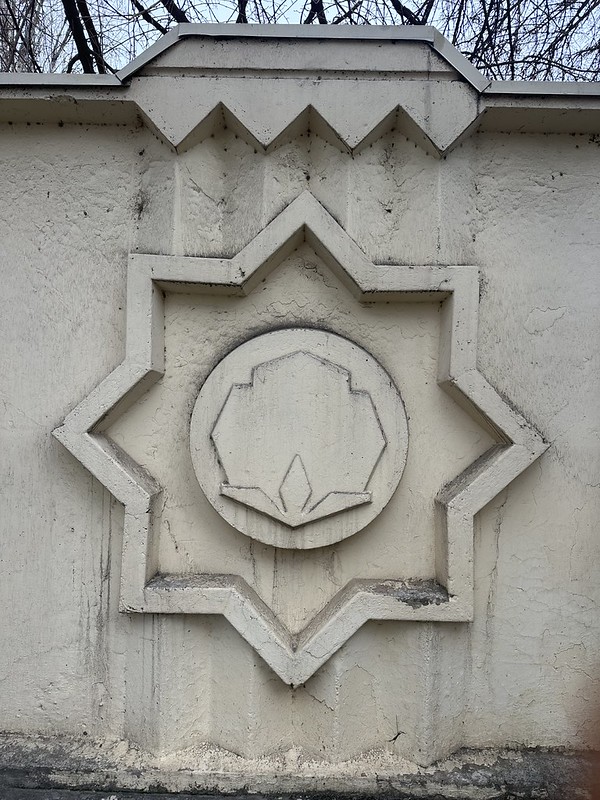
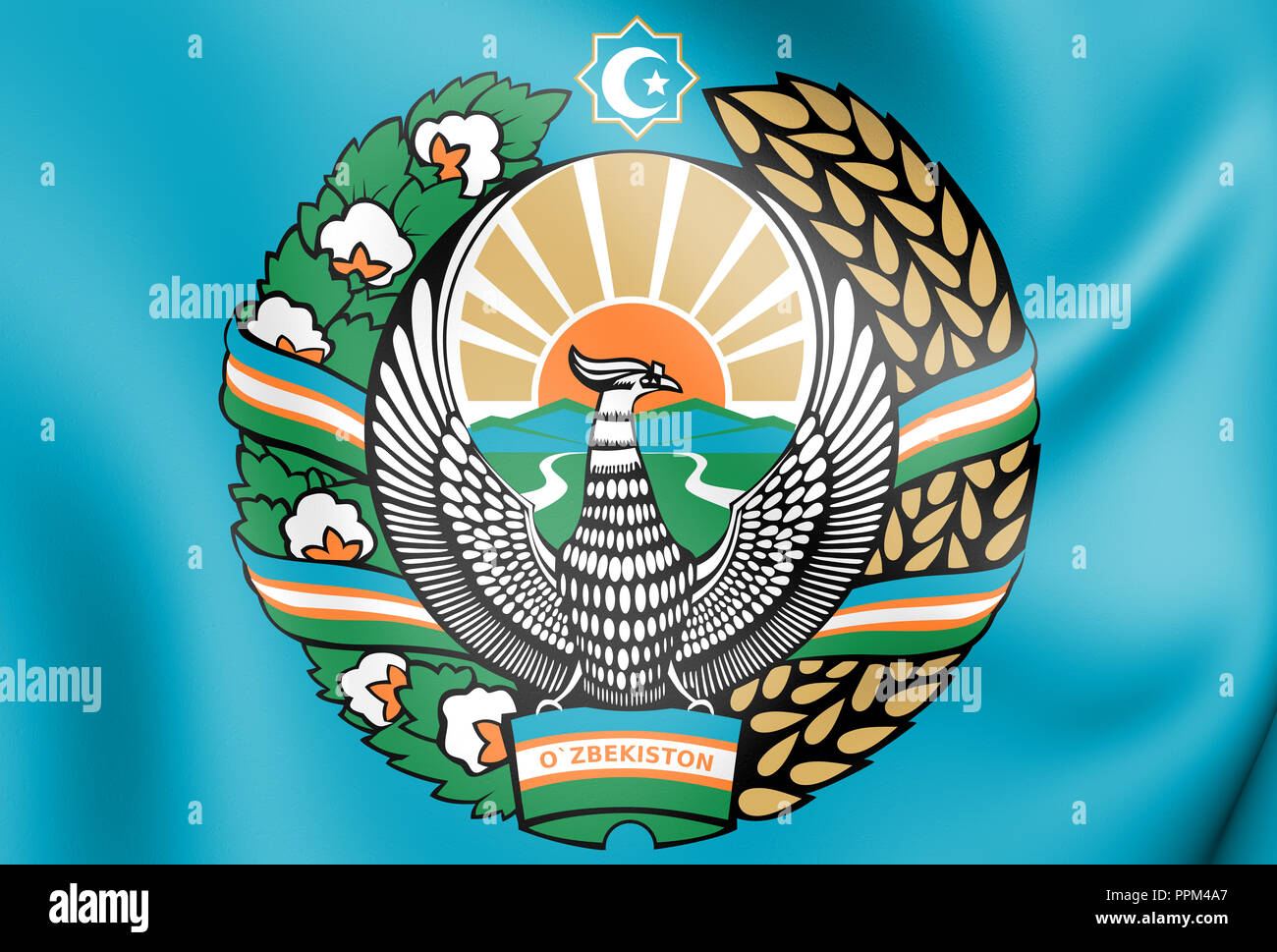
I will be capturing life in Tashkent and Uzbekistan over the next six months as I end my time working at Tashkent International School in June. I took the photograph on the left of the ubiquitous cotton boll logo that you still see all over the city. Back when Uzbekistan was part of the Soviet Union (Uzbek SSR) this emblem was its main symbol when it produced 70% of the USSR’s cotton. Uzbekistan is moving away from the monoculture of cotton production. The country has a desert climate, and cotton needs a lot of water. It has damaged the environment here, especially the Aral Sea in the west of the country. Water for agricultural and inefficient irrigation schemes has stopped the flow of the two major rivers in the Aral Sea. Climate change means a hotter and drier Central Asia, which is not helping the water problems that will only get bigger in the future. Uzbekistan is still the world’s sixth-largest producer of cotton ($2.31 billion in exports), but the economy is diversifying, and total cotton field acreage has significantly decreased. The cotton symbol is part of Uzbekistan’s history and heritage and is featured on today’s coat of arms. The 8-pointed star was also taken from this symbol, signifying unity. In the center of the current coat of arms is the mythical “Khumo” bird, with ironically, the two major rivers (Amu and Syr Darya) representing life-giving water sources. The Humo comes from Persian mythology, representing wisdom, healing, and divine blessing. The Russians refered to it as Семург (Semurg), based on the Persian name rather than the Turkic name the Uzbeks use.
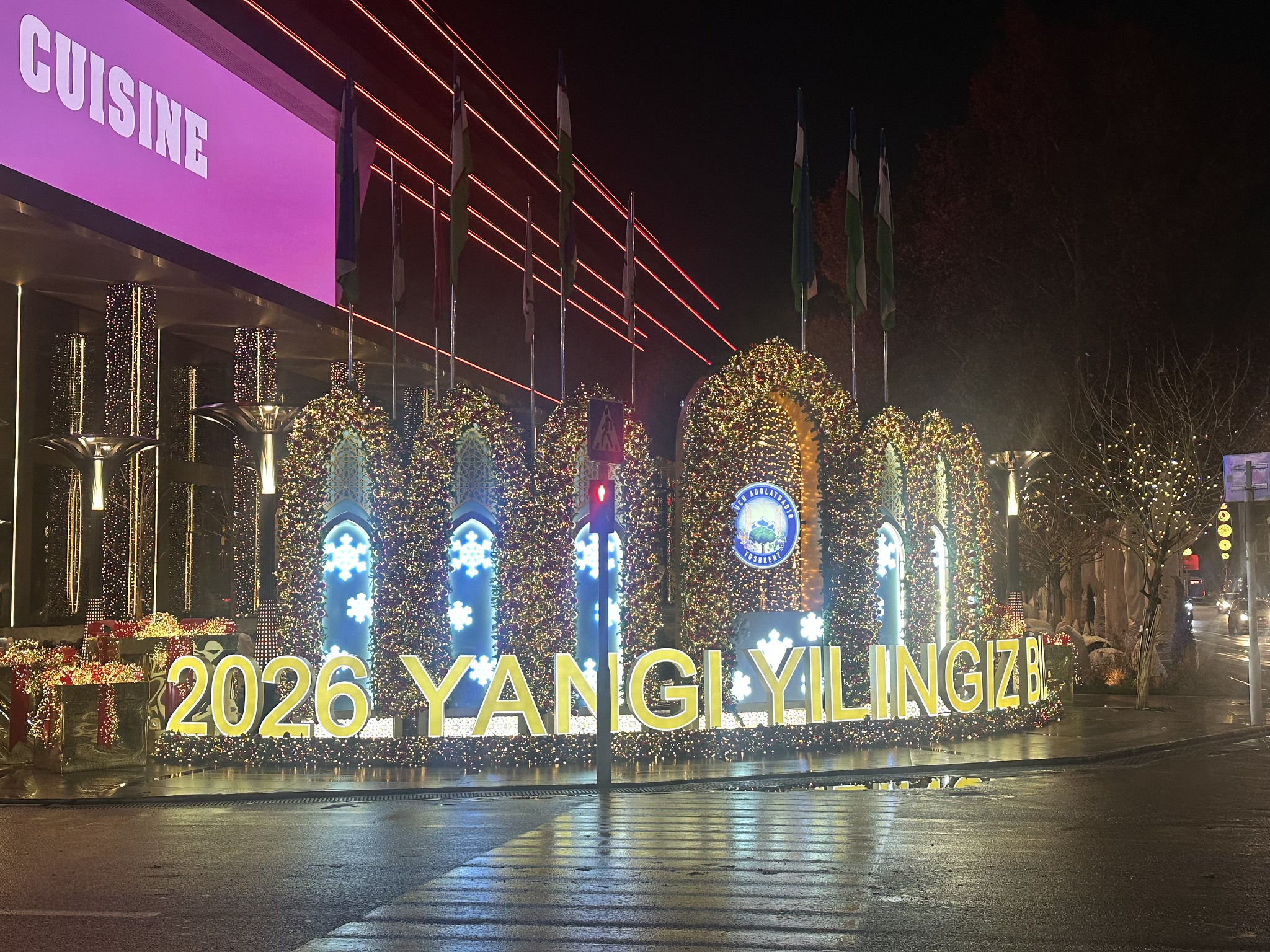
We had a quiet New Year’s Eve this year by celebrating at home, watching television with Oliver and Ocean. I didn’t make it to midnight, falling asleep around 11:00 PM. Nadia and I had a nice day together, working out together in the TIS gym with her trainer Svetlana and hanging out at home. The weather was miserable all day with rain, sleet, and snow from 7:00 AM to 5:00 PM. I went for a 6-kilometer walk after doing yoga in the evening and snapped the photo below in front of the Piramit Tower and Mall. It is not open to the public yet. Central Asians love lighting their buildings, trees, and light posts in the evenings. The building to the right is adjacent to the Piramit Tower and I think it is a business center.