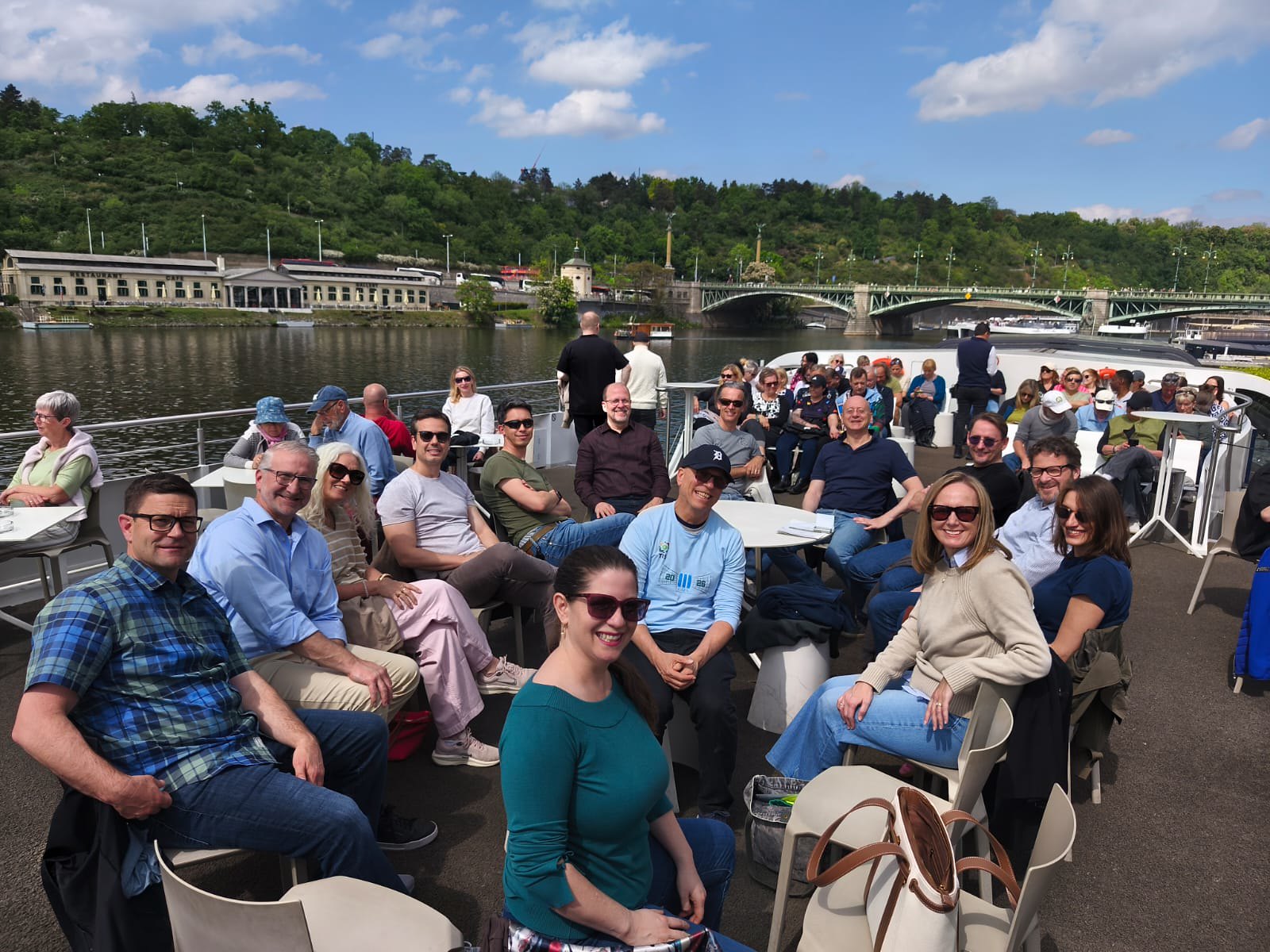
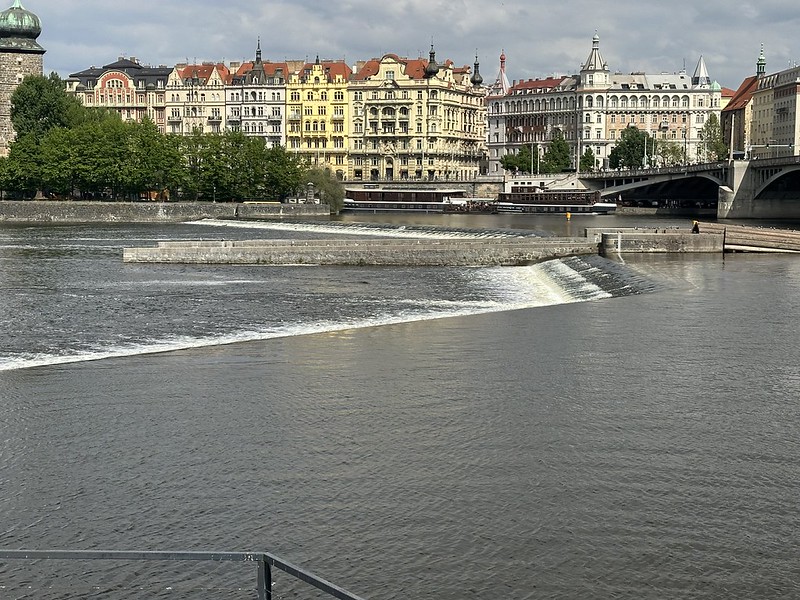
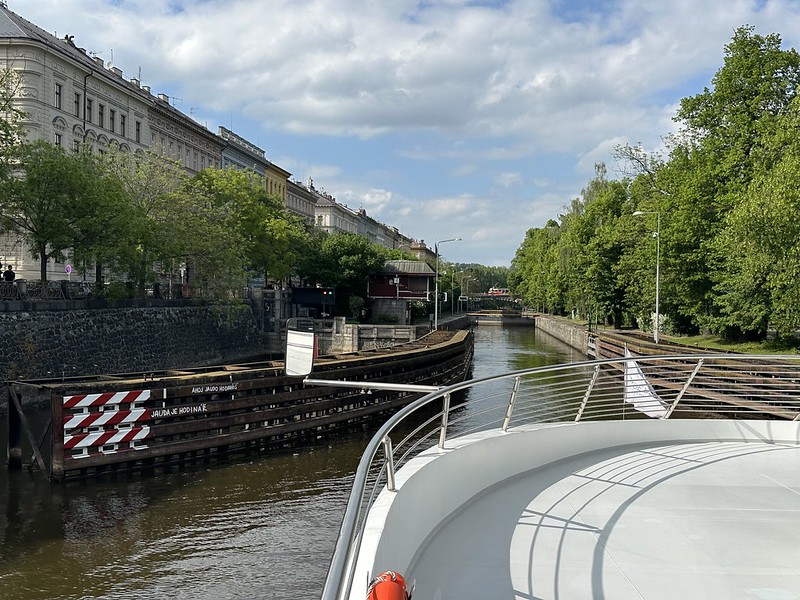
We had a fantastic afternoon/evening after our meetings on Saturday morning in Prague. We took a boat tour on the Vltava River that runs through the city. It is the Mississippi River of the Czech Republic, being the longest river (430 km) entirely within the country. It eventually joins the Elbe River north of Prague. I was fascinated with the locks and weirs on the river. Weirs are similar to dams, but water runs over the top of them continuously. They serve to build up consistent water depths along the river so boats can navigate up and down the river all year round. Water levels dropped due to heavy use of mills along the river and seasonal fluctuations. Through the centuries, city officials developed a system of weirs and locks. We patiently waited for the lock to fill up so we could navigate around the weir.
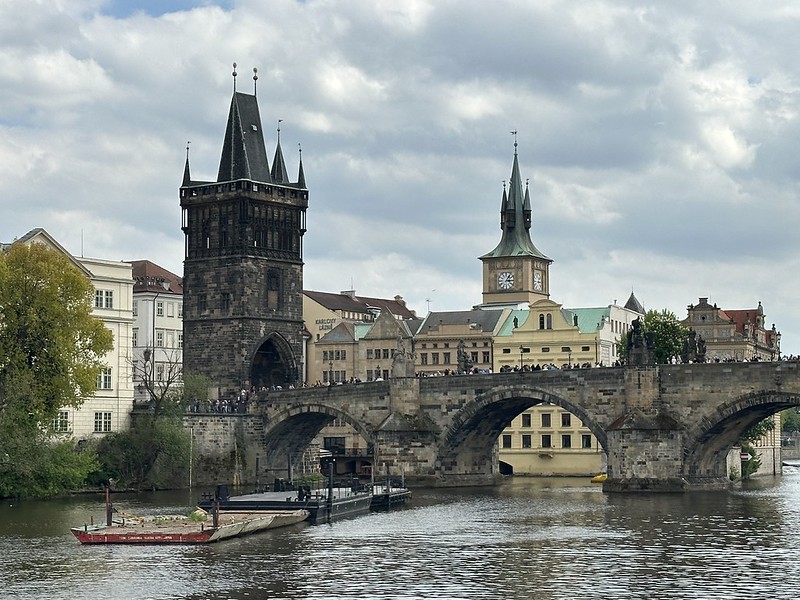
The iconic Charles Bridge was completed in 1402 and is one of the most famous and photographed bridges in the world. King Charles IV did not live to see its completion, as he commissioned it in 1357.
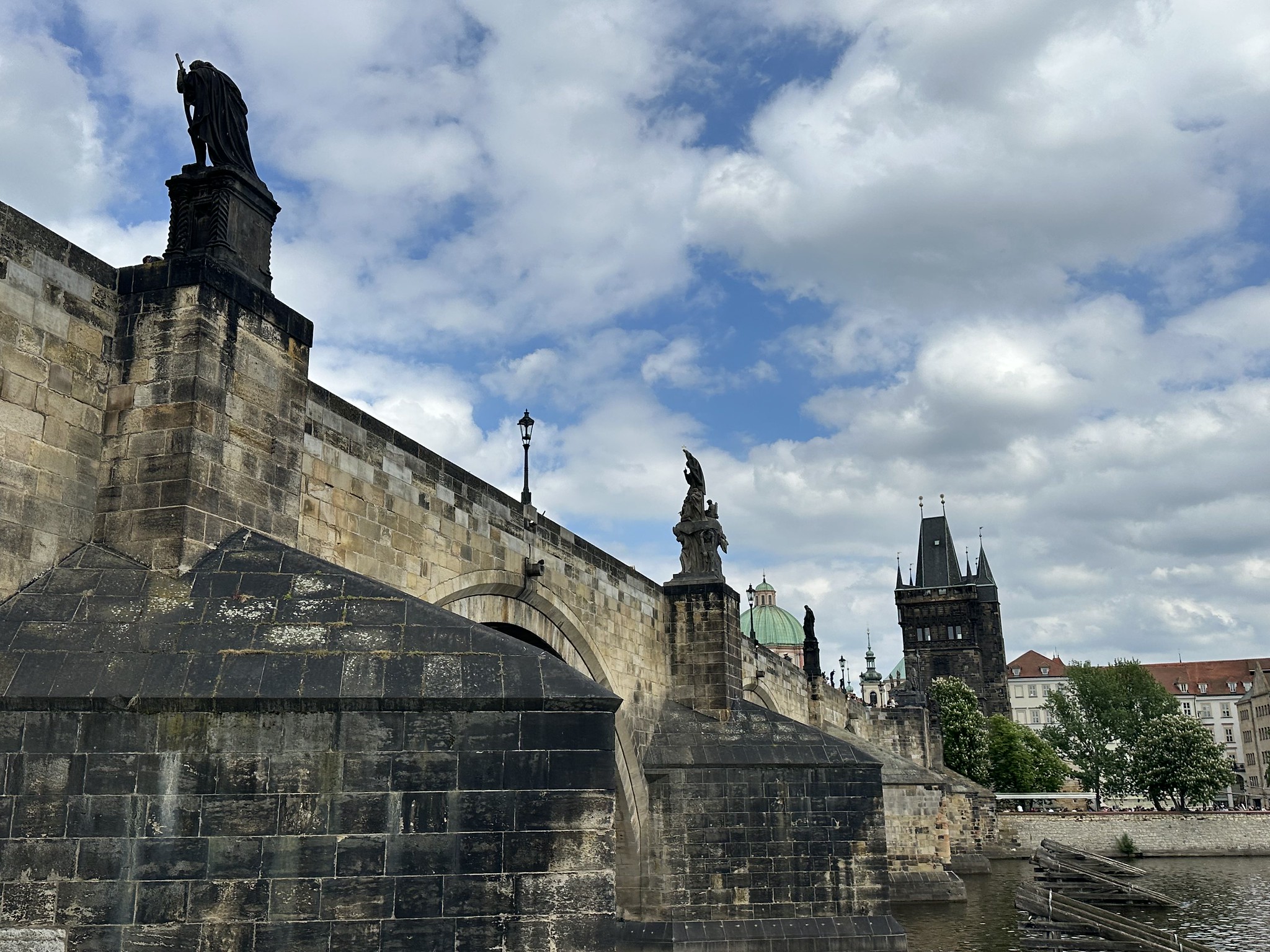
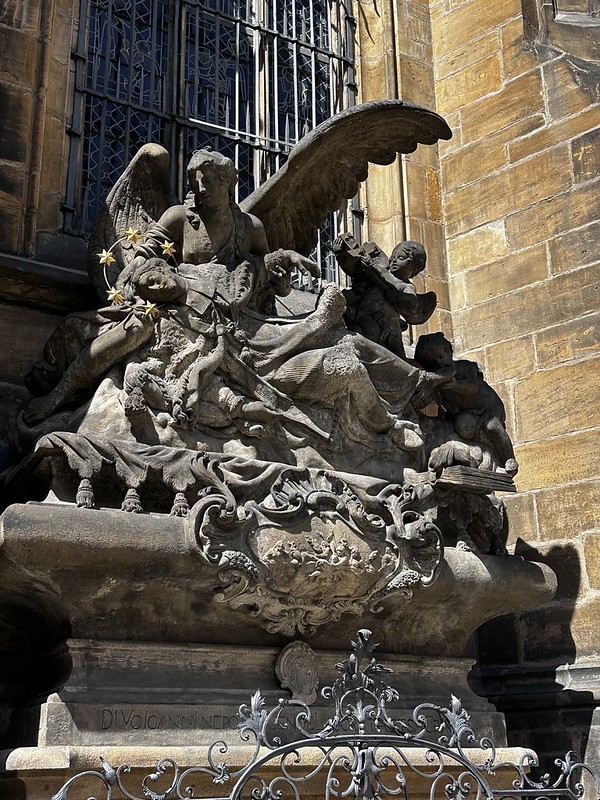
I noticed this striking statue on the bridge the next day when I walked across the 500-meter bridge. Saint John of Nepomuk was canonized by Pope Benedict XIII in 1729. He was the priest for Queen Sophia, the wife of the tyrant King Wenceslas IV. The King demanded John to tell him what Sophia confessed to him and when John refused, the King ordered him to be tortured and thrown off the bridge. When his body hit the water, 5 stars appeared, hence the star halo over his head in the statue below. He is now regarded the protector of floods and drowning.
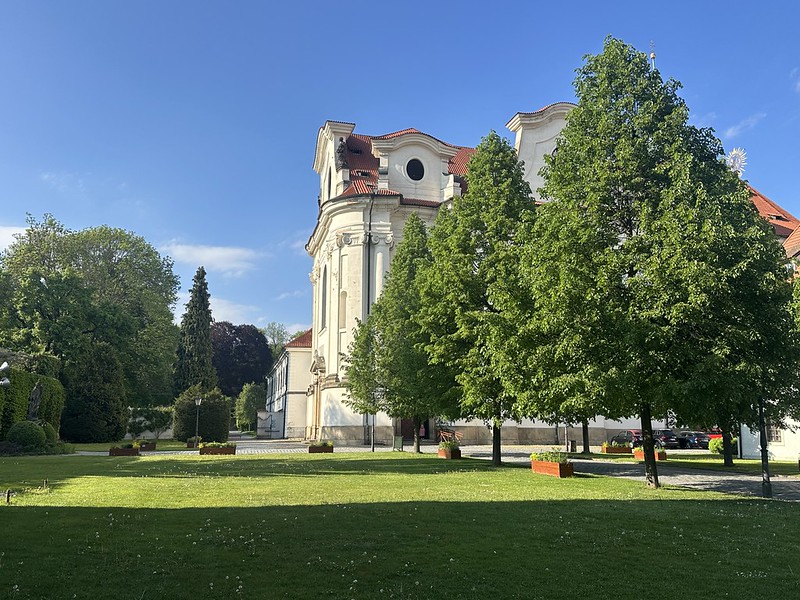
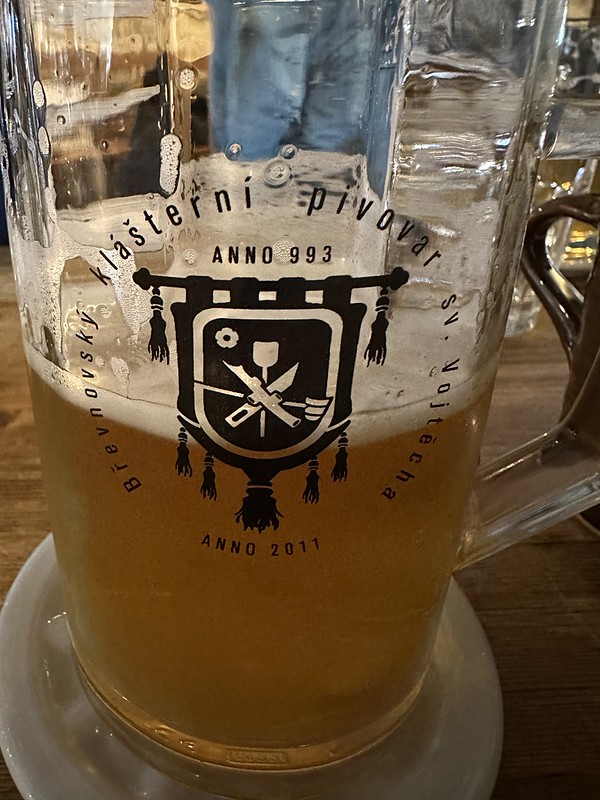
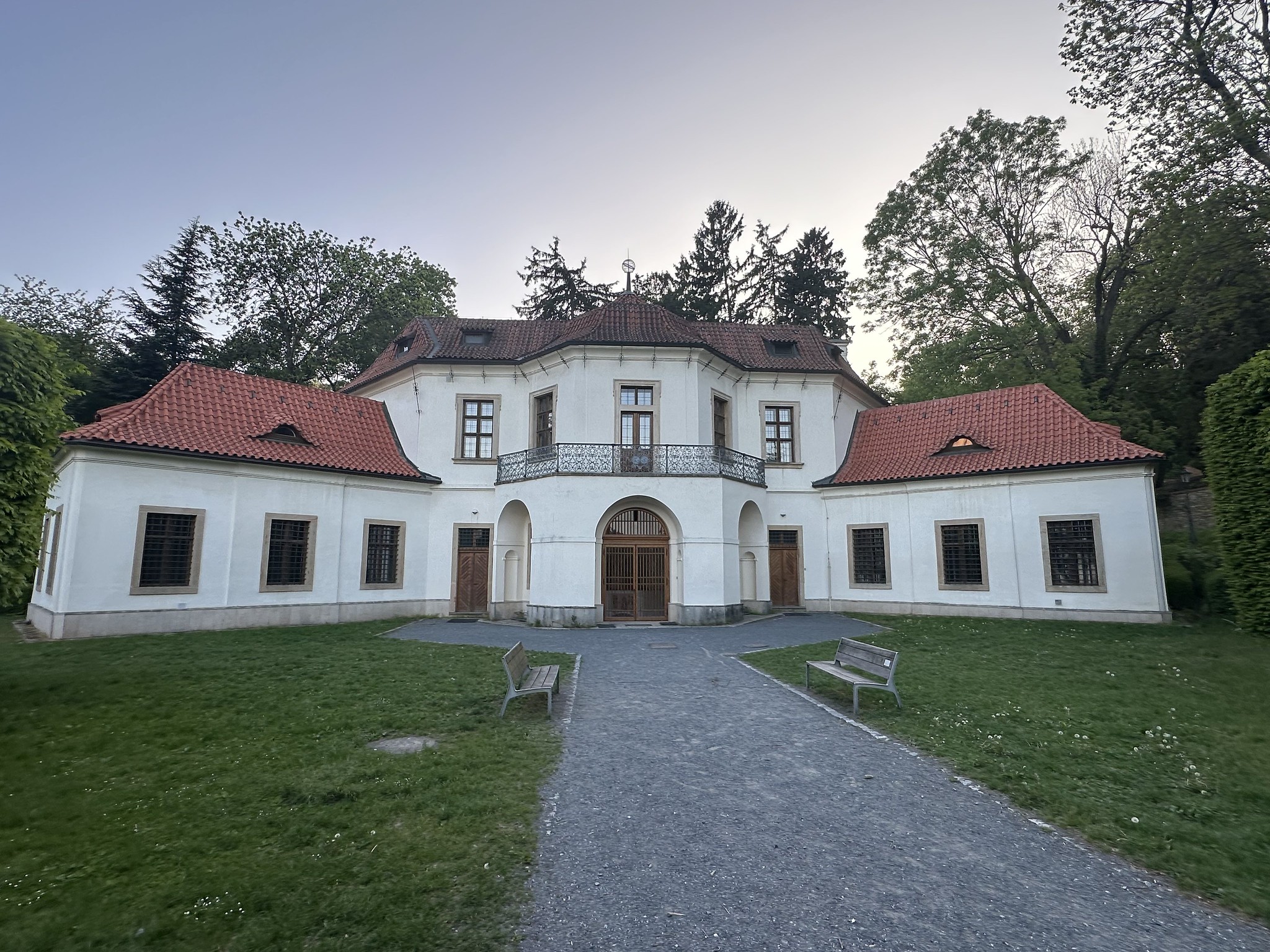
We finished the day at the Břevnov Monastery (Břevnovský klášter), a Benedictine archabbey founded by St. Aldabert, the second Bishop of Prague in 993 AD. Being from a strong Catholic family, I felt at home on the peaceful grounds and in the St. Margaret Temple. The reason we visited is the monastery is famous for its close to 1,000 years of brewing beer. The original brewery closed in 1889, but the monks hired a brewmaster in 2011 and opened a restaurant brewery in one of the former stables and opened it to the public. The roast duck with Houskové knedlíky (Czech bread dumplings) and sour kraut combined with a Benedict Světlý Ležák 12°, a classic Czech pale lager, hit the spot after a long day. My dad, Charles Kralovec, would have loved it! It is nice to see the monastery restored after the Soviets deported the monks to West Germany in 1951 and converted it to an archive and a State Security Police Annex.


Welcome to Czechia!
Josef Královec