
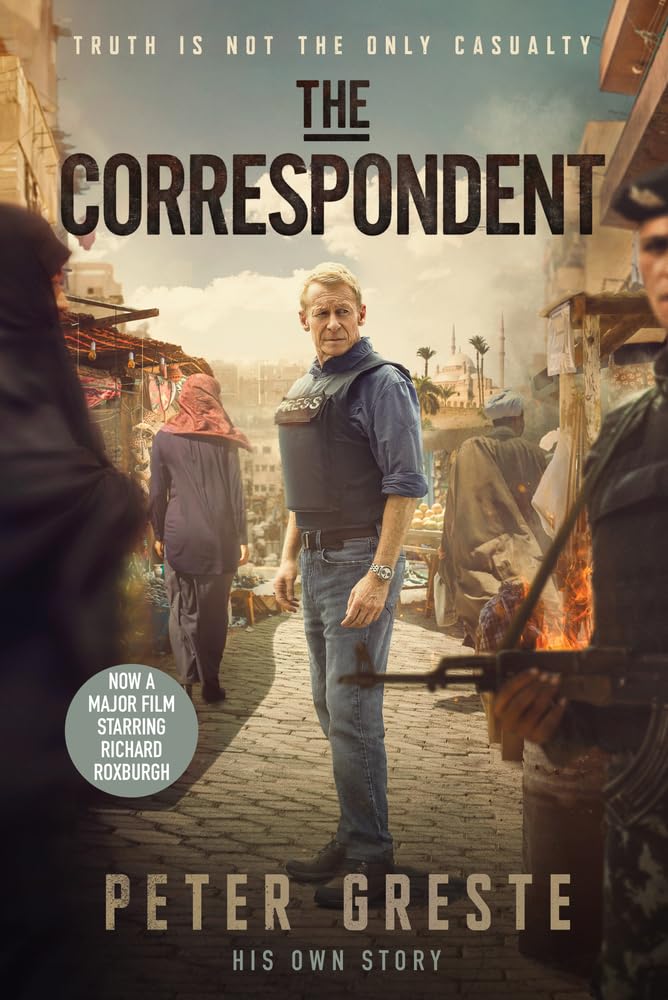
Peter Greste is most known for being arrested on terrorism charges as an Al Jazeera English reporter while working in Egypt in 2014. The Australian Greste worked for many years as a journalist for the BBC, Al Jazeera, CNN, and Reuters, predominantly in the Middle East, Africa, and Latin America. He describes his 400 days of surviving in Egyptian prisons. He also reflects on his career in other parts of the world, Afghanistan, Sudan, and even going back to his home country of Australia. His big takeaway from his experience was not the specifics on what happened to him and his two Al Jazeera colleagues, but the wider trend of government suppression of an independent press and violence against journalists.
Greste originally wrote this book in 2017 and called it “The First Casualty”. This is the 2025 version that was re-done in conjunction with an Australian film by the name of “The Correspondent.” Greste covers journalist deaths in theatres of war from Ukraine to Gaza. He also writes about Donald Trump’s attacks on the press, which are getting worse throughout his second term.
I was particularly interested in the story because I will be moving to Egypt in August. Egypt is a large country, Cairo is a megacity, and Egyptian culture is loud, warm, a bit crazy, with an authoritarian government and it is reflected in his prison experience. It was a tricky time for Egyptians. I recently read more about the military takeover of the government from that time. The Arab Spring started a long period of chaotic violence and economic pressures on Egypt that ended just before Greste’s arrest. I am reading up on Egyptian history in preparation of my move to the country and will write more about it.
Of course, I am for press freedom. However, with that freedom comes a responsibility for every journalist and company to report the truth. Today’s press (newspapers, broadcast news organizations, wire services) is swamped with media (entertainment, social media feeds, podcasts) and often the truth is hard to get to. This adds to the pressure journalists get from authorities.
It is interesting to compare the actor to the real person. Below is a photo of Peter Greste, and above is the rugged and grizzled actor Richard Roxburgh, who played Greste. War correspondents interest me because I live a similar life, traveling the globe. Of course, I am not going into war zones, but I do use their approach of attempting to understand a place and, more importantly, a culture as quick as I can.
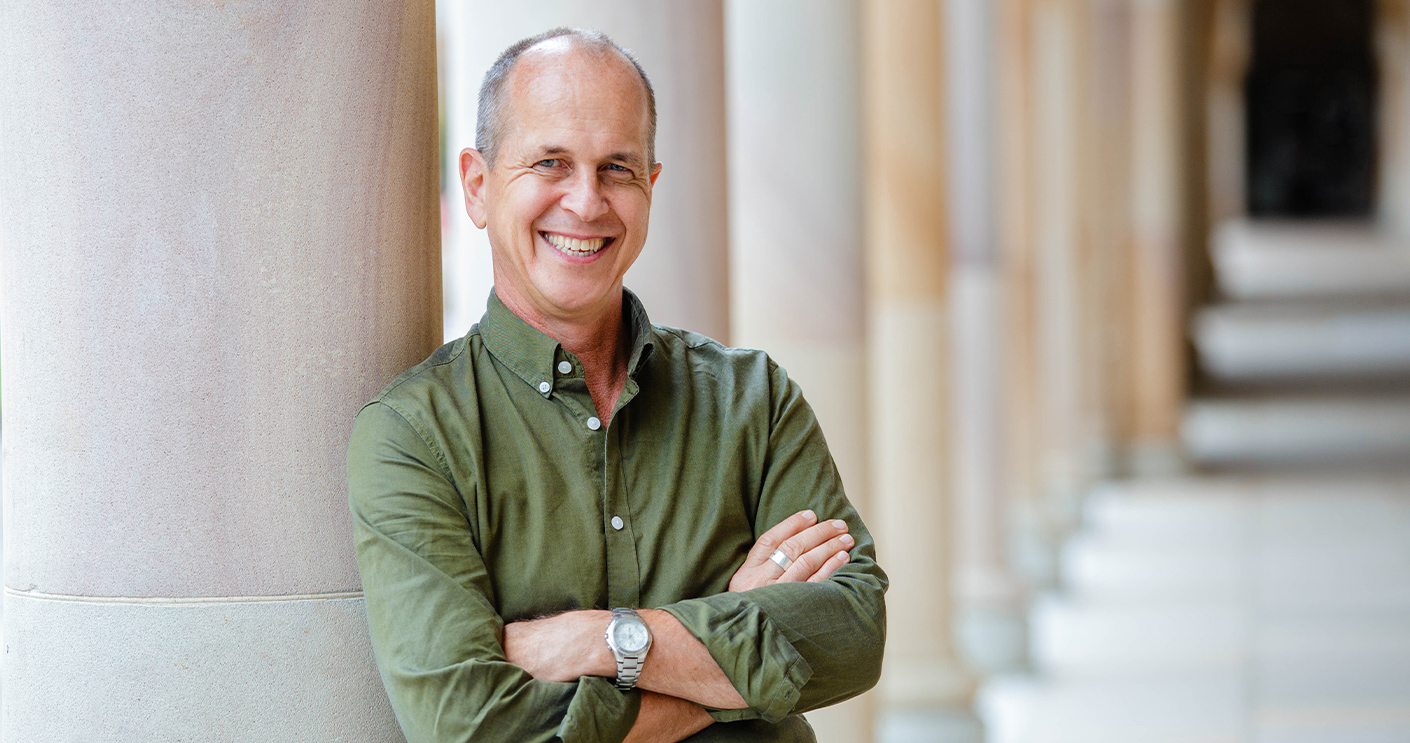
I end this post with a comment Greste made about his home country of Australia that I agree with. He mentioned after returning to Australia after years abroad, he noticed that Australians are no longer the “larrikins” of his youth. I love this Australian/New Zealand word that refers to someone who is mischievous, irreverent, or a rebel against conventions. After watching Paul Hogan in Crocodile Dundee, me, like many Americans pictured Aussies as laid back and irreverent (larrikin), but the reality of my time there from 2000-2002 was the same as Greste’s impression. They were rule-obeying and obsessed with safety and fear of the outsider. Not what I expected. One anecdote sums this up. I received a speeding ticket for going something like 2-5 kilometers over the speed limit and got a fine of $150 AUD in the mail with a photo of my car. I was complaining about the severity of the fine for such a minor offense in the teachers’ lounge of the school I worked at in Perth. No one seemed to be bothered about the system. I also remember getting a $50 for not riding my bicycle with a helmet near my school one day. This spirit of government’s harsh measures in the name of protection showed itself during COVID.
The world needs more intelligent and funny irreverence.

