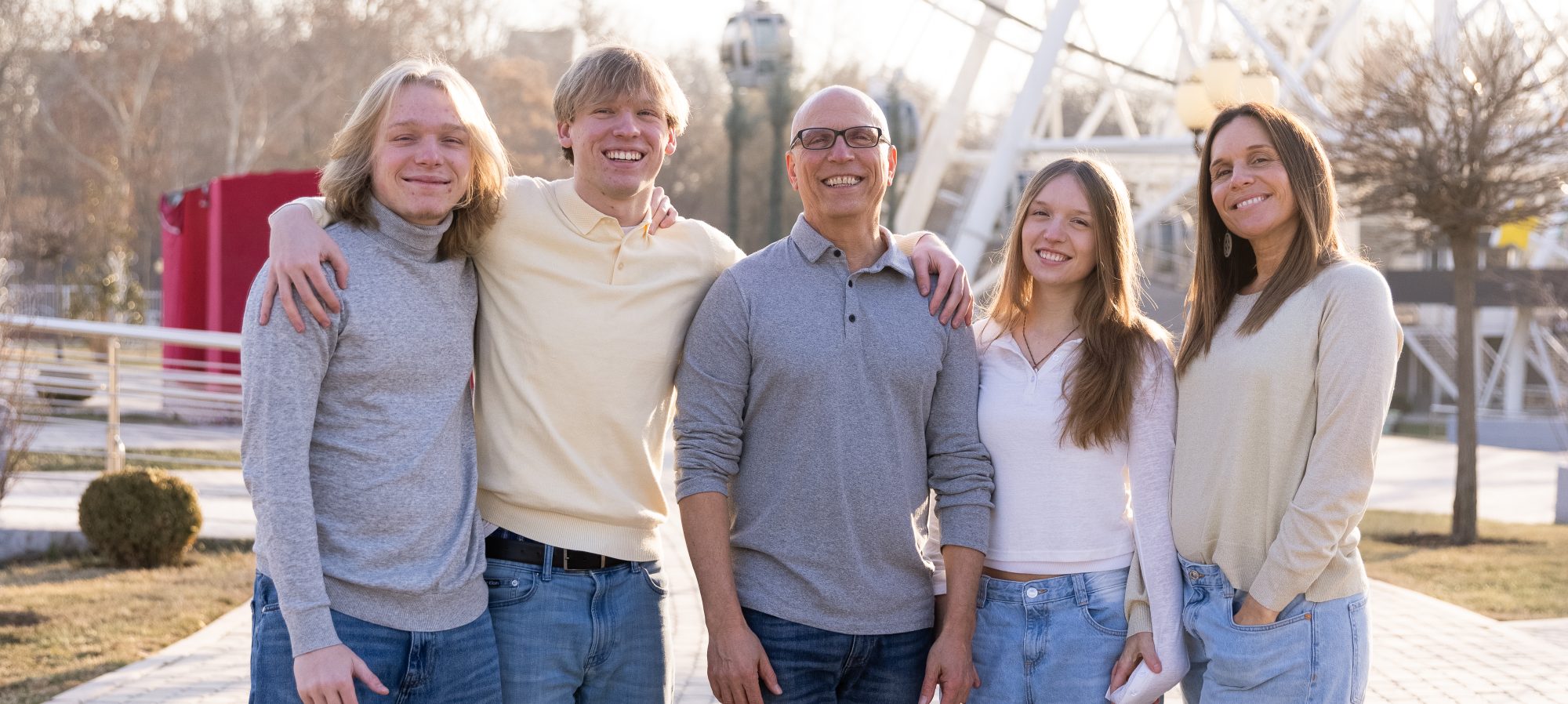
In April Nadia and I visited Dr. Ana Gifing’s “Anti-Aging” Diagnostic Center here in downtown Belgrade. We both were carrying some extra weight from a long winter and based on a recommendation from a friend, we decided to try Dr. Gifing’s program.
We brought in blood test results, underwent a “Body Composition Analysis” which is basically a device that measures muscle and fat content, and a food allergen test. The staff then put us on a 28-day “chrono-nutrition” diet plan. This was the first time I ever went on a diet and I must say, it really worked for both of us.
The diet consists of eating vegetables and meat, avoiding sweets and carbohydrates. It also gave me some good habits of always eating breakfast and eliminating snacking between meals, especially the late night binges I used to do. My friends compared the diet to the Atkins or South Beach, or Paleo Diets in the US. High protein and low carbs to burn off fat. My results speak for themselves.
April 17, 2013
Weight – 76.9 kilograms (169.5 lbs.)
Body Fat Mass 18.0 (normal range 8 – 16)
Body Mass Index BMI – 25.5 (normal range 18.5 – 25.0)
Percent Body Fat – 23.4% (normal 10 – 20)
Lean Balance – Over in arms, trunk, and legs)
May 17, 2013
Weight 73.9 kilograms (162.9 lbs)
Body Fat Mass 14.7
Body Mass Index 24.5
Percent Body Fat – 20 %
Lean Balance – all normal except slightly over in trunk
My 32 waist pants now fit me! Over the Christmas holidays I had to buy 34 inch waist pants. I feel so much better with the fat taken off me. I highly recommend the clinic. It really made me think about what I eat and when I eat it. I will follow the concepts given in the diet. After the first 28 days, the diet is much more relaxed. The chrono nutrition is concerned a lot of certain combinations of foods, when high sugar foods are consumed, and continuing with eating of breakfast, a decent lunch, and small dinner. These are good habits to maintain a healthy weight.
I had a wonderful birthday weekend. I share the same birthday as former Yugoslav leader, Josip Broz Tito so we usually do something in honor of that connection. Yesterday we stopped at the 25 of May Museum and took some photos of Ollie and Ocean in the Yugoslav Pioneer outfits. They even said the pledge to be “loyal and faithful friends.”
I spent my day exactly how I wanted to! The kids and I rode down to Ada and Owen and Ollie played in a baseball tournament. We then watched a bit of the Vukovi football game, and I finished off the day with Nadia cooking my favorite meal, pizza rolls.
One of my greatest pleasures is riding with my sons to school every morning. I love to watch the excitement of freedom bikes bring to Owen and Oliver as they glide through the “leafy suburbs” of Dedinje and Senjak on the way to school. I can’t wait until Ocean is confident enough to ride her bike to school. The route is exactly 1 mile long and is mostly on traffic-free streets, although there are two crossings of more busy streets.
Not only is it a great way to exercise and spend time with my children, it is also teaching them to appreciate the joys of “silent sports.” I have a passion for biking, running, and cross-country skiing through nature, or for on the way to school, through the city. I hope to instill a love of bicycling to my children.
Above is a video showing our route to school. We plan on moving apartments next month, so these are the last of the rides. We will be even closer to the school so will most likely be walking to school in the mornings.
Last Saturday morning we enjoyed a picture perfect spring day at Tašmajdan Park. The park is located in the center of Belgrade. The city has loads of parks and Tašmajdan is one of the largest and most popular. I saw this statue above and wondered why there was an Azerbijan flag, flying next to the Serbian flag. It turned out that the Ayerbijan government donated funds to improve the grounds of the park. In appreciation, Belgrade put up a statue of the former president of Azerbijan, Heydar Aliyev. The park also honors Serbian poet and author, Milorad Pavić. His most famous work is “Dictionary of the Khazars” that I want to read.
The park is full of trees, playgrounds, and a public swimming pool. It is near the Metropol Hotel, Madera Restaurant, and St. Mark’s Cathedral. I recommend an evening or daytime stroll. There are always friendly Belgraders to meet.
Junger is a New York Times reporter and author who was embedded with US troops in a remote valley in Afghanistan in 2007-2008. This book and a documentary film, “Restrepo” were the result of his experience. I was engrossed in the book and couldn’t put it down, while between swims in the ocean and pool with the kids while on holiday last week.
The book gives some detailed descriptions of battle in this dangerous valley near the Pakistan border. I enjoyed following these, but more importantly for me, I really understood the mentality of troops on the front line. I forgot how young these guys are and so many of them come from rough backgrounds, where the army is a better way of life than they would have in civilian life. I can’t imagine being 19 and in a situation like these guys are put through. I was so immature at that time in my life. The two biggest take-aways were the thrill of combat and the strong bonds formed between soldiers. It is the only friendship a person will have whose life depends on the relationship. When going through experiences like that, I can see why they never have relationships like that again in their civilian lives.
I also got a sense of what it is like to be on the opposing side. They must be in fear of the US military strength, with the Apache helicopters, drones, and invisible bomb strikes. It sure is an expensive war the US is fighting over there. It is also interesting that this is the front line on the “war on terror” and how few people are really involved. The vast majority of Americans are not in the military and those that are, most do not see combat.
It also concerns me for returning veterans and the medical treatment they will receive, both physical and psychological. It will be difficult for many to readjust to everyday life in the US, post-military.
I haven’t seen the movie yet, but will have to check it out. I highly recommend this book.
We had a lovely stay at the Hotel Danubia in the Silver Lake Resort. The resort is just outside of Veliko Gradište, The town is located about an hour east of Belgrade on the banks of the Danube, Dunav in Serbian. It is a new hotel and reasonably priced. We took our bikes and there are many great biking trails, perfect for kids. We rode to main plaza in Veliko Gradište twice. The town is quite poor and nothing spectacular, but the bike trail is safe, and there is a really nice park for kids. The Danube itself is quite wide and really fresh. It made me remember the summers on the lakes of Upper Michigan. We also did some swimming, frog catching, and eating some fresh perch. Today on the way home we stopped at the Ram Fortress and climbed around it a bit. Typical Serbia, no signs, no interpretive materials, just an old abandoned fort the kids could climb around. Awesome!!!!
I highly recommend a visit for a weekend get-a-way from Belgrade.
We are in Limassol, Cyprus for our Spring Break holiday. We decided to go to the island, just off the coast of Turkey because the Budapest-based airlines, Wizz Air, had cheap flights to the island out of Budapest. The first day of our holiday was spent in travel. We drove up to Budapest and parked in long-term parking at the airport. Lines were a bit long at the borders, as it is Serbian Orthodox Easter Break and so many Serbs were leaving for the week. We arrived safely in the evening and got into our rental car.
Cyprus is a former British colony so driving is on the left. Of course we got a manual drive, so it was fun getting used to the left-handed stick and the right side seat belts. After burning through a bit of the clutch, we did make it to the Mediterranean Hotel.
Limassol is in the central part of the long, thin island, on the south coast. We landed in Larnaka, on the far eastern side. The capital city is Nicosia, located also in the east, but inland. We chose a hotel because the kids love pools and to take a break from a week of preparing breakfast and cleaning the house. With three young children, it is a lot of work to maintain our apartment, despite having a cleaner coming in daily for a couple of hours and an after school babysitter also helping out in the kitchen.
The hotel complex is quite nice. The pool and beach front are decent and the kids absolutely do love it. Also on the trip are Damian and Susie Hart and their two children, Riana and Abigail. They are in Owen and Oliver’s classes so they are already good friends. Ocean loves having “sisters” as well and does everything Abigail does. Damian is from Scotland and is the Athletic Director at the school and Susie is from England and teaches with Nadia in the elementary. We get along well, so it is like having four parents instead of two. The kids entertain themselves, running in and out of the pool and building sand castles on the beach. We are especially enjoying “Happy Hour” a new concept for the Kralovec children. Drinks are half-priced, and the hotel barman was great with the kids, making mock drinks and really playing it up.
The Cypriots and guest foreign workers are extremely friendly and good-natured. There are a lot of guest workers. So far we have had employees from Bulgaria, Romania, mainland Greece, and Russia. Speaking of Russia, the island is filled with Russian tourists.
One of the things I wanted to see was the effects of the Cyrpus Banking Crisis. Cypriot banks offered foreigners, mostly Russians, high interest rates for them to put their money in the island banks. Cyrpus is a tax haven for rich Russians. The Cyprus banks in turn, under pressure to gain higher returns than the 5 percent interest promised to the Russian savers, invested in Greek bonds and projects. That was a bad idea as the Greek financers invested poorly and lost a lot of Euros, that threatened the entire Euro Zone economy. Unfortunately for the Cypriots, the Germans did not come to the rescue with bailout funds. Instead, the IMF put in austerity measures and private savings accounts were taxed, some up to 10%. I did notice a “300 Euro Maximum” sign at the ATM across the street. The banks had to limit withdrawals to avoid a bank run. The Russian Commercial Bank has a lot of advertisements in Russian around the island, so it doesn’t seem like the Russians left. It is getting harder to find international tax havens, so perhaps the 10% is not a bad figure. I have not seen widespread economic misery here, although there are quite a few empty apartment buildings and business space for rent around the island. They were probably built during the investment boom.
I also wanted to learn more about the Greek-Turkish fight over control of the island. After independence from Britain, local politicians were fighting for control and the right to determine if Cyprus would be part of Greece or independent. All through the 1960’s, fighting broke out between the Turks and Greeks, and the UN sent peacekeeping troops. They also drew a “green line” to divide the capital Nicosia, between the two communities.
The majority (2/3) of the around 1 million people on Cyprus are Greek, and the other third are Turks. Cyprus is just off the Turkish coast, but was settled by Greeks thousands of years ago, and is the mythical home of Aphrodite. The Persians, Romans, Ottomans, etc. controlled the island throughout its history. While the independence movement won out, the Turkish army invaded the island and war ensued. The invasion was prompted, or they seized the opportunity, by a CIA-backed coup. In 1974 they were stopped but not before they gained 37% of the island. 250,000 Cypriots were displaced as they lived on the wrong side of the border.
As you can see in the photo below, the island is still divided today. We drove up to the border just north of the party resort city of Agia Napa. This area is closed to crossings and the Turkish military has soldiers enforcing the blockade. It is located just on the outskirts of the town of Deryneia. It was the site of a 1996 Greek Cypriot protest against Turkish occupation of the island. Fighting broke out and two Greek Cypriots were killed. Today it is a minor tourist attraction, with two viewing sites that look into the Turkish ghost town of Varosia on the other side. That would be a great place to film a movie!
A few years ago some border crossings were opened, and we hope later in the week to walk across. The Greeks and Turks have fought forever (Troy!) and the war caused many deaths and refugees. I see a lot of Greek flags on this side, next to the Cyprus flag of independence and the European Union flag. Since the split, the Greek side’s economy has grown faster than the Turkish side, but I sense in the future, Turkey will have a stronger economy than Greece and will eventually pass it up. Most of the Turks on the other side are migrants from mainland Turkey. I think the Greeks feel if they open the border and try to unite the island, they will be overrun by the Turks demographically. I think it is ridiculous to have small islands divided into different countries (i.e. Ireland) and hope someday they can unite the island. It will be good for everyone. In 2002, a referendum for unification was defeated by the Greek side (34% yes / 76% no) but it passed on the Turkish side (65% yes / 45% no). They do have many crossings open and hopefully with time, the island will be united. I get the feeling in talking with Cypriots that the younger people want a united island and after this generation dies out, I can see a different result for the referendum.
The island reminds me of the typical Mediterranean vacation destination. I’ve spent a lot of time in Mallorca, Spain and there are many similarities. Only substitute the German tourists of Mallorca for the Russian tourists of Cyprus. The architecture however, does have more of a Middle Eastern feel. The Cypriots themselves are mostly dark skinned and dark hair. Many of the younger guys have long hair and/or facial hair.
On the first day we hung out at the hotel pool. On the second day we went to the far eastern side of the island. The beaches near Limasoll have dark sand, and Nadia wanted the white sand beaches (or blond – as on Cypriot tour guide described to us). Nissi beach, just outside of Agia Napa fit the description and we had a nice day, baking in the sun. Once again, there were many Russian tourists, although, this is not high season and it was not very crowded. The turquoise water is quite cold however, but refreshing in the hot sun.
Most of the trip was spent at the pool and beach for the sake of the kids. They absolutely love swimming in the pool! I would like to return to Cyprus, to explore a bit more of the island. It is nicer than Mallorca in my opinion and there are many areas left to see. The stay of five days/five nights on the island was definitely too short.
I have not been posting as much as usual this month – it has been a busy time.
Ocean had a couple of milestones recently. She is shown above losing a tooth. It is one of the front ones so she looks so adorable. We are calling her “la campesina” and if you know Latin America, it is a hilarious and apt nickname. With the pigtails and loose tooth, she is so adorable! She also learned to ride a bike last week. We went for a long ride to Ada Ciganlija, just her and I. We crossed the Sava in the bike ferry and she just loved it. See my Youtube Channel for the video. She said her two favorite sports are, “riding a bike and hopscotch.” How much more little girl can you get! I am absolutely head over heals in love with her.
Ollie With His Art Prize
My son Oliver last weekend won a prize for his art at our school’s spring fair. We were very proud of him. He is also so cute. He referred to something as “the puniest” and in mispronouncing his “r” sound, called Owen the “first worst” Ocean the “second worst” and himself the “third worst.” Hilarious!
The third Kralovec child, Owen, is turning into a little dude as he ends fourth grade. I can’t believe he will be fifth grade next year. Where did the time go?
I wish these moments could slow down. They grow up too fast!
Finally, the weather here in Belgrade has been absolutely glorious! Bright blue skies, flowers in bloom, cool breezes, and bright green everywhere. One does not get any better weather than this.
A couple of days ago I met Igor Milanović, who many experts consider the greatest water polo player ever. We were looking for a new apartment and our real estate agent showed us an apartment for rent owned by Igor.
Water polo is huge in Serbia a and the region, and Serbia is usually one of the best teams in the world. They won bronze at London 2012. The two greatest water polo nations are Serbia and neighbor Hungary.
Milanović’s career achievements are amazing! He won 2 Olympic Gold Medals (LA 1984 and Seoul 1988) and 2 World Championships (1986, 1991). He would have probably won more, but Yugoslavia was banned from international competition during the war.
Igor played 340 games for Yugoslavia, scoring over 500 goals. The 6 foot 4, 240 pounder, was a powerful player whose coach said could play any position. He was relentless in the pool and inducted into the International Swimming Hall of Fame in 1996.
He was a really nice guy. He coached Partizan last year and they won the European Club Championship. I asked him how water polo players compare physically to the swimmers, and he said they are two totally different sports. I thought perhaps water polo players would make great swimmers as well.
When I mentioned to my friends that I met him, everyone knew who he was. The Belgrade native is very famous in Serbia. It was an honor to get to speak with him.
I’ve only been to one water polo match in my life and that was for the 2000 Sydney Olympics. I’ll try to take the family to see a match this spring.
I took a special tour of the Royal Palace this week as part of charity fundraising event. The Princess Katherine’s Foundation is doing a “Children Helping Children” campaign and asked the school to participate. A delegation of our students donated gifts for the impoverished children of Belgrade.
It was an informational and highly interesting tour. I took the photo above of the dome of the church on the palace grounds. Jesus has a bullet hole in his forehead from the Partisans who took over the palace after World War II. The church was used as a storage room at that time and the Royal Family kept some of the artifacts of the history of the place. I especially loved the basement private cinema, which Tito used to watch Westerns back in the day. I sat in his favorite chair.
The tour guide gave us a lot of information about the art works and the history of the rooms in the palace. Currently the Serbian government owns everything, but allows the Royal Family to live in an apartment on the grounds. It is a huge piece of land in Dedinje and the Karadjordjevic Family has refurbished much of the palace. It is quite spectacular and a fascinating place. I highly recommend a visit. The rooms below are done in a Russian style because the family gave refuge to Russian architects and artists fleeing the Bolsheviks. They were allowed to design many rooms. There are also spectacular views and every room has a story.
The Russian Rooms
I also received an invitation to the State Funeral of King Peter, which will take place next month. I’ll definitely blog on the that event. The Royal Family hold no power or political office in Serbia as it is a parliamentary government. We sadly didn’t have time to tour the White Palace on the grounds, but I will definitely come back for that tour.