The Beauty of Belgrade


Belgrade, originally uploaded by bill kralovec.

I snapped this photo last weekend on Kralja Petra Ulica (King Peter Street) of a typical Belgrade apartment. The dilapidated facades of the buildings in Belgrade are part of its charm. Most apartments are quite nice inside, where Belgraders spend their limited money, and the common areas such as the stairways, lobbies, and facades are neglected. They can be a health hazard because of the occasional chunk of cement falling to the sidewalks.

Most of the apartment buildings have a shop on the ground floor and apartments on the upper floors. I wonder what year this building was constructed and what it looked like when it was new. I am also curious about the infrastructure of these buildings, like electrical wiring, water, etc. I would guess that most need updating.

All of the buildings in Belgrade have a story attached to them! I wonder what this building’s story is?

Happy (Julian) New Year


The fireworks above St. Sava’s Cathedral in Belgrade last night signify the Srpska Nova Godina or Serbian New Year. The Serbian Orthodox Church, along with some other Orthodox churches, traditionally celebrates the Julian Calendar New Year, which is 13 days behind the Gregorian Calendar this century. Hence, on January 13th, the Serbs celebrate another New Year with a mass, firework show, and concerts and parties around the city.

I went down to St. Sava’s last night to catch all the fun. I’ll be posting videos later today. I think any excuse to party is cool, and acknowledging Julius Caesar’s (or his team of astronomers) calendar from 45 BC is very interesting. I had a sense of solidarity with the Serbians in attendance. It was a contrast of the holy service occurring inside and the drinking and fireworks occurring outside.

I was excited to use my new iPhone last night to capture video of the event and I will post later today when I get a faster video connection.


Serbia: Smoking Capital of the World

In a recent article by the Wall Street Journal Serbia ranked number one in the world in cigarettes sold per capita. Serbia topped all countries with 2,861 cigarettes smoked per capita. They defeated fellow Balkan countries Bulgaria (#2 – 2,822) and Greece (#3 2,795). Eastern Europe took the top eight spots with Russia (#4 – 2,786) and Ukraine (#5 2,401) rounding out the top five.

I thought Serbia would rank pretty high because you see (and smell) smokers all the time. The Serbian government last year put the first laws prohibiting smoking in certain areas and it has improved the climate for non-smokers. I always wondered what percentage of Serbs are regular, pack-a-day smokers. I would guess it would be around 1/3.

Armed with this data point, 2,861 cigarettes per person, I did a bit more mathematics. If the population of Serbia is 7,276,604 million people, then that would mean almost 21 billion cigarettes were smoked (20,818,364,044). If a pack contains 20 cigarettes, that would be a little over 1 billion packs of cigarettes (1,040,918,202). If you subtract the 14.9 percent of the population that is under the age of 14, that would mean the adult population smoked 166.5 packs per person. If you assume that the average smoker consumes 1 pack per day, that would mean that roughly 50% of Serbs would be considered regular smokers (46.5%). – Note to readers, please correct me if I am wrong on this. I took the population statistics from the CIA World Factbook.

Why do so many Serbians smoke? One reason is the cheap cost of cigarettes, $2 per pack. There are not many restrictions regarding smoking and the recent laws do not go far enough to put a damper on people’s habits. Although I love that the two big shopping malls in the city are now smoke-free, even the cafes. I don’t feel they went strong enough, with most bars and restaurants, still having large smoking areas alongside non-smoking areas. There is not much in public service announcements as well and smoking is not a taboo, like it is in many western countries.

The Wall Street Journal focuses on Russia’s attempts at lowering the smoking rate. I think the time is right for Serbia to tackle smoking. It must be costing the health care system a lot. It is also ironic that a people that look so good (thin, athletic) and are so active, have such a bad health habit as smoking. I hope they can get Serbia out of first place.
 

Hiking Through the Hills of Rajac


Nadia, originally uploaded by bill kralovec.

Last weekend our school’s hiking club went for a long walk through the hills, forests, and meadows of the Rajac region. This area is about 100 kilometers south east of Belgrade. We started the hike on the famous summit of Suvobor. This is the sight of a great battle in World War I. The Serbian army on December 4, 1914 took control of the hill from the Austro-Hungarian Army. They eventually also took the city of Valjevo and drove the Austrians out of Belgrade and across the border. It was a Phryic victory for the Serbs, but it did give them 10 months of control in Belgrade. The losses from the war combined with a typhus epidemic, really took a toll on the soldiers.

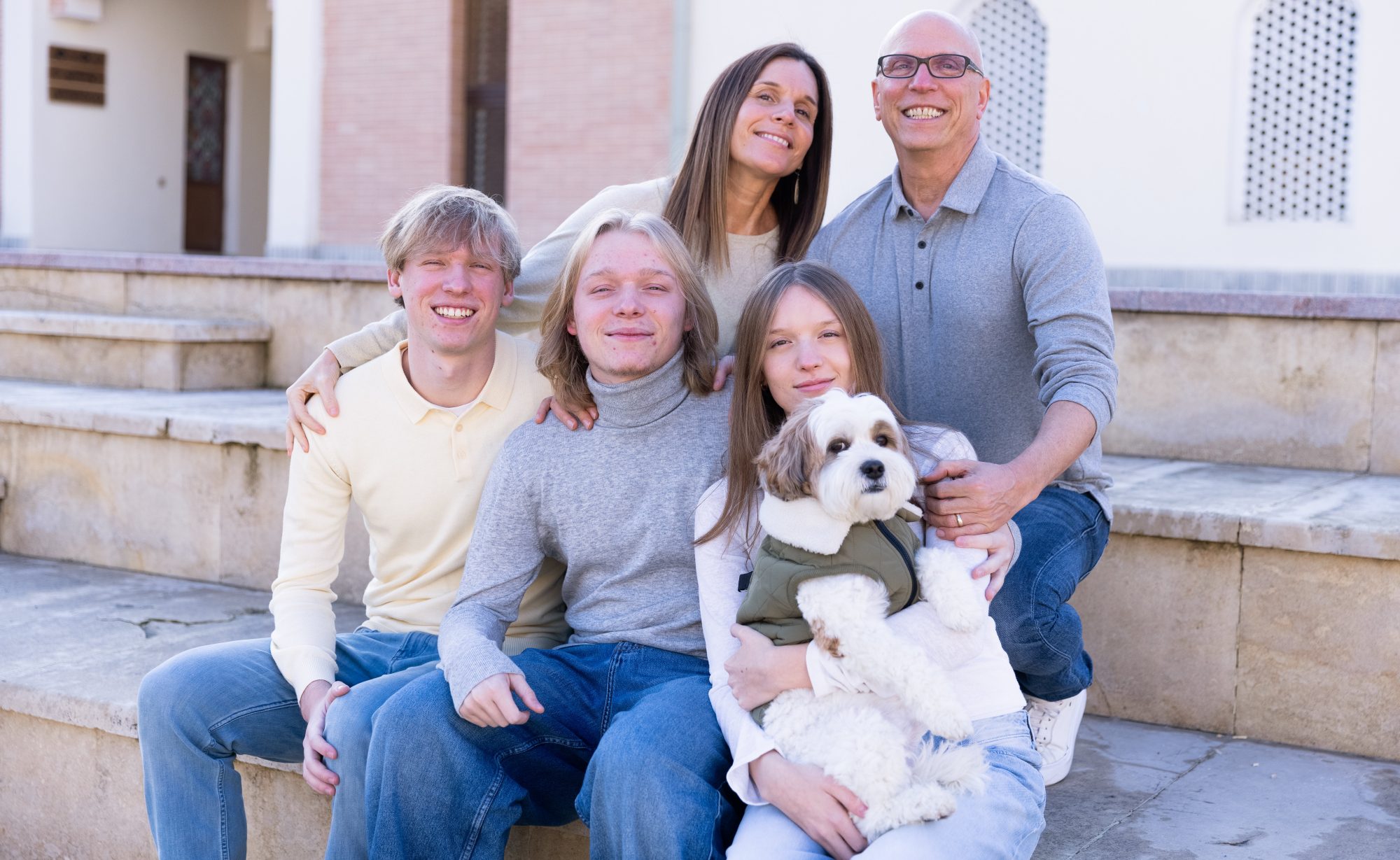
98 years later, we were there in much better circumstances. It was a gorgeous day Saturday as you can see from the photos. It is not the most dramatic scenery of Serbia, but it is quite nice and typical of the type of topography of Šumadija. It was also great to have the entire family on the hike, including my wife, Nadia, who usually doesn’t like to go with us.

Boys love weapons – Owen doing his “Children of the Corn” impression

Stara Planina


Our plans to visit Transylvania didn’t work out for our October Break, so instead we headed the other direction and are visiting the Stara Planina (Old Mountain) national park. The park is located on the border of Serbia and Bulgaria. We are staying at the new ski resort hotel, “Stara Planina” located at 4,800 feet near the village of Konjarnik. When I say new, I mean really new. The hotel opened up last winter and they are still making ski runs and building roads to get here. It is located about 110 km from the southern Serbian city of Niš. It is actually closer to Sofia than Belgrade. The 110 kilometers from Nis to the hotel is rough road, but it was an interesting adventure driving through the dark fog rural countryside. We listened to the Eastern European legend of Baba Jaga, a witch that eats children, to really get in the mood for the day.

We are really enjoying the stay so far. Today we went for a walk up the mountain. We got cut short of our goal to reach “Babin Zub” (Grandmother’s Tooth) due to rain, but the kids loved climbing on the rocks on the way up there. We hope to reach it tomorrow. For those Serbian learners, Baba is grandmother, and the “in” means possession in Serbian. The word zub is tooth. It kind of looks like a granny’s tooth.

I love hiking and really get re-charged by being out in wilderness. The views, despite the rain and clouds, was still beautiful. I’ll be blogging this weekend from here as we explore the region.

Babin Zub mocking us in the background!

There is not much information on-line about the Serbian side of Stara Planina. So far my impressions, besides the natural beauty, is that this part of Serbia is very poor and they speak with a much different accent than Belgrade. I am curious if the area develops into a tourist destination. Right now, it is really tough to get to so they will need to build some more roads and I wonder about the amount of snow they get around here. It is only 120 kilometers from Sofia, and if Serbia puts in a good highway from Nis, it would be easier to get to.

Time to head to the pool with the kids.

Happy Anniversary!


Nadia and I celebrated our 13th Wedding Anniversary last night in grand style at the Hyatt Crystal Ballroom! Nothing less for my baby! Oh by the way, the Malaysian Ambassador was also hosting a celebration in honor of Malaysia day in the ballroom. We enjoyed some good Malaysian food, dance, and national anthems. It is a fun way to celebrate our marriage.

It was also interesting to see Serbian President, Tomislav Nikolić up close as he made a toast and cut the cake with Malaysian Ambassador. He certainly doesn’t command a presence in the room like his predecessor, Boris Tadić.

Serbia and Malaysia Friendship

I am very lucky to be married to such a beautiful woman, inside and out! I am looking forward to many more years together!

Picnic in Vršac


“Ping and Pong”, originally uploaded by bill kralovec.

Picnicking is quite popular in Serbia. I think the fact that most Serbians live in apartments and don’t have much green space outside their homes, makes the locals want to get out a bit in nature. I love to go out with the family and spend an afternoon outdoors with a picnic lunch or a BBQ in the backyard.

Last Sunday we drove up to Vršac, a city of around 40,000 people located in the Banat region of the Vojvodina province. The Banat is a flat plain located in Hungary, Romania, and Serbia. Vršac is near the border of Serbia and Romania. We planned to picnic near a monastery but found it quite run down, so we found a spot in the vineyards outside the city. There are several good wineries in the region. It turned out to be really nice. We played a lot of baseball and Nadia made some delicious chicken sandwiches. Nadia and Ocean also caught some late summer sun, laying on the blanket.

After we were done eating, we went up to the famous tower of the city. As you can see in the photo below, the Banat is quite flat except for the vrh (summit in Serbian) in the city. Because of its strategic position, there was always a fortress on the top. We walked up to the fort to enjoy the beautiful views. The kids liked to climb on the crumbling walls of the ruins. The tower is being renovated and there was also a paragliding runway at the top.

It was a really nice day trip out of Belgrade. We didn’t visit any of the wineries, but might do it the next time we are in town. The city center is quite nice too, good for walking around.

The Tronošo Monastery

ISB Students in the Courtyard of the Tronošo Monastery

I really enjoy hiking to the many Serbian Orthodox monasteries in the country. Most of them were built in wild, difficult access areas for protection from the Turks (Ottomans) and Austrians. Serbian rulers, instead of building castles and palaces, built monasteries and churches. The monasteries were bastions of Serbian religion, culture, and language. I am not religious, but the quiet, natural surroundings, and architecture have a calming effect on my soul. There are between 50 and 100 monasteries and I recommend a visit to any of them. They are great for hiking, holding a picnic, or admiring the architecture, mosaics, and history that these places hold.

The Tronošo Monastery is located in western Serbia near the Bosnian border. I was on a school trip this week and we took the students first to the home village of the Serbian language reformer, Vuk Karađić. I’ll blog more on him later. We then hiked from the ethno village through a steep ravine up to the monastery. The walk took about an hour.The church was completed in 1559 (over 400+ years ago) and it always amazes me, an American who is used to less ancient history. At the time, Serbian was dominated by the Turks, so the Serbs built the church with permission of the Ottoman authorities. Surrounding the church are the buildings and grounds of a cenobitic monastery. In the Eastern Orthodox Churches, this is similar to the Catholic Orders. Cenobitic means a focus on community. The “nuns” (what are they called in Orthodox????) were quite friendly to us and the community of 10 up keeps the grounds and they have a small gift shop. They served us Turkish coffee.

In reading a bit about the history of the place, during the Austro-Turkish War (1788-1791), the Tronošo Monastery, served as a center for organizing soldiers to fight with the Austrian army against the Turks. At that time as well, Vuk Karađić studied in the monastery school. During the Serbian uprisings in the 1800’s, once again it was a staging point for the Serbian army. The Turks set fire to the place in 1814 and it was rebuilt 3 years later. As you can see, the area has seen a lot of history.

Finally, I learned the story of Jug Bogdan. Jug was a heroic, medieval warrior featured in Serbian epic poetry. Just north of the Tronošo Monastery, a spring has a monument with the mosaic above. Legend has is that Jug (real name Vratko Nemanjić) and his nine sons were all killed at the Battle of Kosovo in 1389. Jug is pictured in the middle of the mosaic.

A Middle Age Man Does The Belgrade Splav Scene

A table at Sound, originally uploaded by bill kralovec.

This weekend my wife and I went out with friends to experience one of the famous “splavs” of Belgrade. A splav, which means raft in English, is a bar, restaurant, or dance club which is on the river. They are literally floating on the Sava River and one needs to walk out to them on a ramp. Above is a photo I took of a drinks table at the splav Sound, and the view is of the river and the Brankov Bridge.There are many splavs, ranging from the glitzy Freestyler, to the rickety, pizza and beer joint Brodić. They are the place to be in the summer.

The Belgrade nightlife is world famous and I can see why. We visited a club downtown (Brankow) and then went to Club Sound around midnight. It is one of the fancier clubs on the river. It was early as the place was half full. Around 1:30 AM or so, it began to fill up, and when we left after 3:00 AM, it was totally packed and in full swing. I was definitely one of the older people in the club, with most patrons in their mid-twenties to mid-thirties. The music was extremely loud, although I enjoy dance music, it was too loud to talk.

There were many very good looking people at Club Sound, both men and women. I also always feel very short here, as the Serbs are very tall. It is very surprising how many fit and handsome people there are in Serbia. There was not a lot of interaction and people were content to talk and flirt with their own table, people watch, and buy drinks. Mixed drinks were about 4.50 Euros, which is not cheap for Serbia, so I was surprised at how many people were drinking, considering most Serbians don’t make a lot of money.

Photo courtesy of the Belgrade Clubbing Blog

It was very interesting to people watch and get a glimpse of the nightlife here. I am definitely out of this scene, especially when I have three children, am happily married, and get tired around 10:00 PM anyway. It would be nicer if the music was turned down to a lower volume and clubs tried to get strangers to meet each other through activities designed by the establishment to get people talking to each other. Maybe I’m just getting old…

Club Brankow – On the Roof

I would like to thank my friend Nemanja for taking us out. I hope to explore a bit more of the Belgrade night life, although perhaps in the future, a not so late.

Filming of Montevideo Continues


I had another day of filming yesterday on the set of the Serbian blockbuster, the sequel to the film Montevideo: Bog Te Video, a film directed by Dragan Bjelogrilić and produced by Intermedian Network. The film is about the 1930 Yugoslavian Soccer Team that participated in the first World Cup in Uruguay. I am above with my photo with some of the “Bolivian” extras. They were actually the darkest Serbian soccer players they could find. Yugoslavia defeated Bolivia 4-0 in that first World Cup.

Throw-In for Jugoslavia

It was an great experience to play a small role in the film as the American Radio Commentator. I learned a lot about the film industry. Roberto, a Spanish actor, said one of the virtues of a good actor is the ability to wait. I sat around most of the day as they were filming game sequences and it wasn’t until twilight that the directors got to the parts in the radio booth. Hopefully, some of my scenes will make the final cut!

I can’t get over the attention to detail and the big cost and logistics that goes into making a film, especially a period piece like this one. I have a new respect for film and understand why they need to charge money to see the picture.

I met some of the main actors and everyone, from the make-up and costumes, to the director and camera-crew were first-class and extremely helpful. I am sad I couldn’t stay to see Armand Assante tomorrow play his role in film.

Filming wraps up this week at the stadium and then moves to a few days at a hotel in Belgrade and then on to Trieste, Italy for another week. The picture will debut at the Sava Center in Belgrade in December or January.

Jakšić Goes Down