New Year Cycling

Horse Transport

As with many people, I am trying to get outdoors and exercise more as one of my New Year’s resolutions. The first two days of 2021 I did manage to get out on my bike and ride. It is one of the most pleasurable things I do and hope to continue during the winter. Global Cycling Network has many inspirational and informative videos to support people cycling. I find them encouraging on these cold winter days that it is easier to stay warm and cozy indoors. Uzbekistan in the winter, especially if you are not in the mountains, can be dreary. There is a lot of fog/smog and mud and with no leaves on the trees to hide unsightly, dilapidated buildings, the scenery can be a bit depressing. However, getting out is good for my mood and energy and I always see interesting sights like the horses being transported in the photo above. I was on the backside of the international airport under construction and notice three trucks filled with horses. I am not sure where they were going. They were dressed and with feed bags so I guess they were not going to the slaughterhouse. The Uzbeks do eat horsemeat.

There are many Great Patriotic War (World War II in the West) Memorials in Tashkent

I also discover areas of the city on my rides. For example, I never noticed the Palace of Arts “Turkiston” before. The former president Islam Karimov initiated the construction of this performing arts venue to celebrate the 1-year anniversary of Uzbekistan independence. The indoor theatre has a capacity of 900 and an outdoor amphitheater seats 3200. I have not been attending any public events because of COVID and I hope to see inside many of the buildings in Tashkent when this thing is done.

Trip to the Fergana Valley

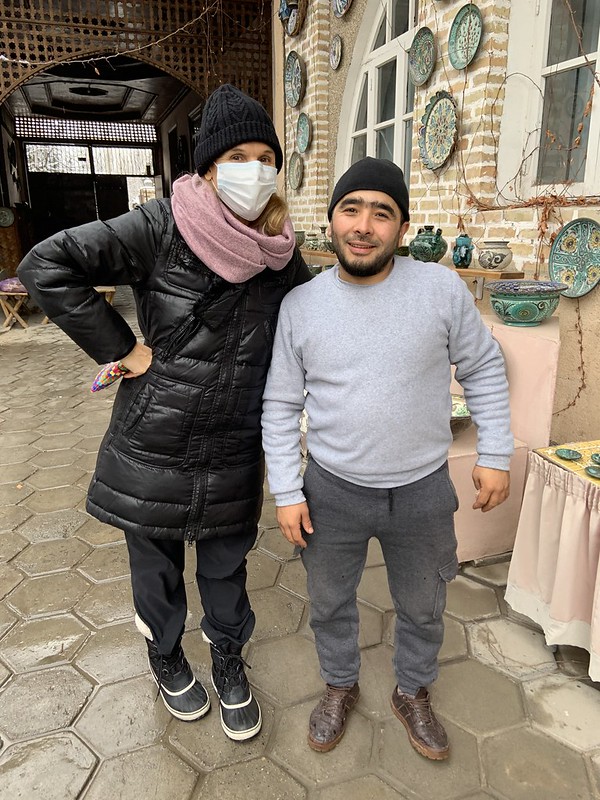
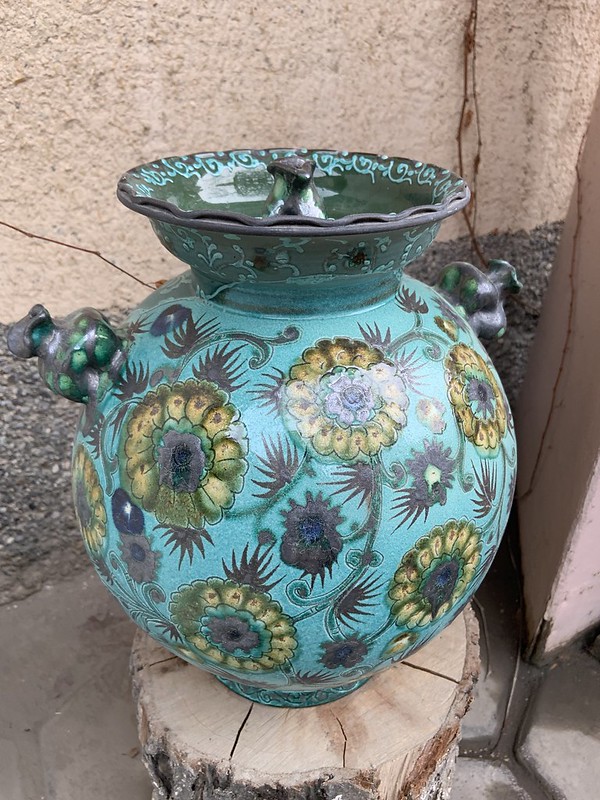
My wife Nadia is an artist and loves the cultural arts of Uzbekistan. We visited the Fergana Valley on December 28-29 to see the famous ceramics of the village of Rishtan and the ikat textiles in the city of Fergana. Our first stop was in Rishtan, near the border with Kyrgyzstan. It is one of the oldest centers of ceramics in Uzbekistan because of the fine clays found underneath the area. For over 800 years, potters from Rishtan have been using the blue-green glaze called ishtar. The workshop of Alisher Nazirov was recommended to us and it certainly didn’t disappoint. He was not there, but several of his students helped us select some pieces and they even fed us a nice lunch of the ubiquitous plov. Nazirov’s work is displayed all over the world. We were surprised to see a Japanese language school on the premises. I think he must have married a Japanese woman and he studied in Japan and infused his work with a Japanese aesthetic. It was funny, because we didn’t notice until we were leaving and we could have done the transactions in Japanese language, instead of struggling with Uzbek and Russian. Nadia loves pottery and we’ve travelled the world in pursuit of it. She purchased some stunning plates and bowls and I even got a coffee mug.

Kamchik Pass

The drive from Tashkent to the Fergana Valley is about 4 and 1/2 hours. The highlight is going over the Kamchik Pass. It was quite dramatic going from the foggy lowlands up into the sunshine of the high altitudes. I marvelled at the snow fences to help prevent avalanches. I snapped the photo above at a reststop. Most of the drive was boring as driving this time of year in Uzbekistan can be grey, muddy and quite dreary. The drive would be 100 kilometers shorter if we didn’t have to go around Tajikistan. Damn Stalin with his borders! It is a shame that the Central Asia Republics do not have open borders like the EU. It would shorten journeys and improve the economy for all the countries. The Fergana Valley is the “toe” of the shape of the map of Uzbekistan that pushes into Kyrgyzstan. The cities of Kokand, Namangan, Andijon and Fergana sit in the valley. The region does not get the number of tourists that the Silk Road Cities of Khiva, Bukhara and Samarkand receive. However, it is a pleasant place to visit. I would like to go back to Kokand the next time I am in the region and perhaps cross the border and visit Osh in Kyrgyzstan.

Avalanche Protection in the Mountain Passes

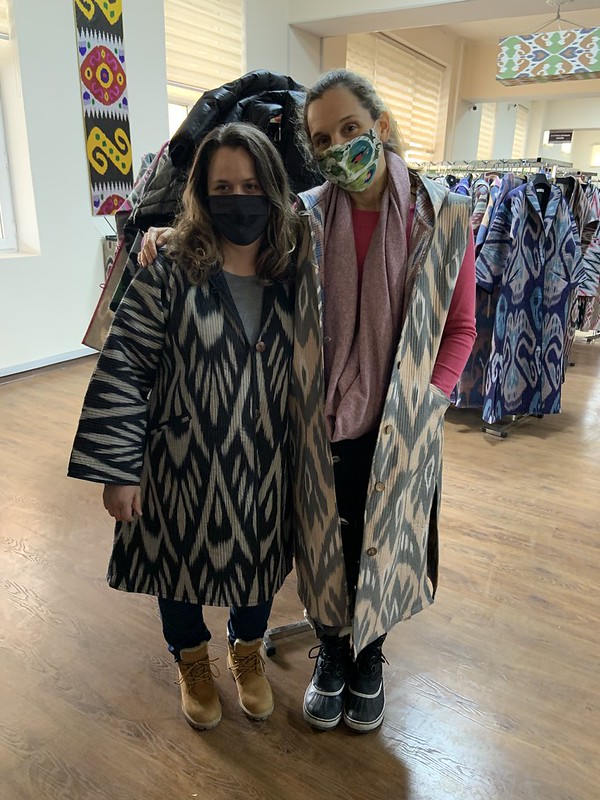
On the second day we visited the Yodgorlik Silk Factory in the city next to Fergana, Margilon. They had to open it for us and it was not worth the visit. We enjoyed a coffee with the manager, but without silk production taking place and the cold weather, the gift shop did not have a wide selection. We found a beautiful Handcraft Center in another part of the city. It looked like a government effort to support the local artists. There were probably a hundred women weaving carpets and doing the traditional dye (ikat) of textiles. There was a big showroom of crafts. I was joking with them that there was only one rack of robes for men and hundreds of racks of clothes and materials for women. Nadia bought a coat and some material. She is reupholstering furniture in traditional Uzbek culture art patterns. A very cool idea and a little side business for her.

The city of Fergana looks similar to Tashkent. It was never a big silk road city and was mostly developed by the Russians. They built the Fergana Canal that brought agriculture to the valley and today, it is one of the “breadbaskets” of Uzbekistan. I thought there was quite a bit of pollution, perhaps because of people burning coal and its position in a narrow, mountain valley. We had a really nice meal at The Loft and a pleasant stay at the new Grand Fergana Hotel. I noticed the city if not very cosmopolitan as we were looking for a bottle of Georgian wine we like, and they only had domestic wines in the 4 shops we tried. The Palace of Art and the large park in front of it was filled with people admiring the New Year’s tree and lights.

In front of the Palace of Art Park

It was a nice little get-away and it was good to support Nadia in her pursuit of the arts. I was disappointed that none of our kids wanted to go with us, but we had a good time anyway. We connected with three of the new teachers and had a lot of fun in Fergana. I am not enthused about ceramics and textiles, but I do enjoy being part of my wife’s passion for art, color and design.

Yangiobad Bazaar

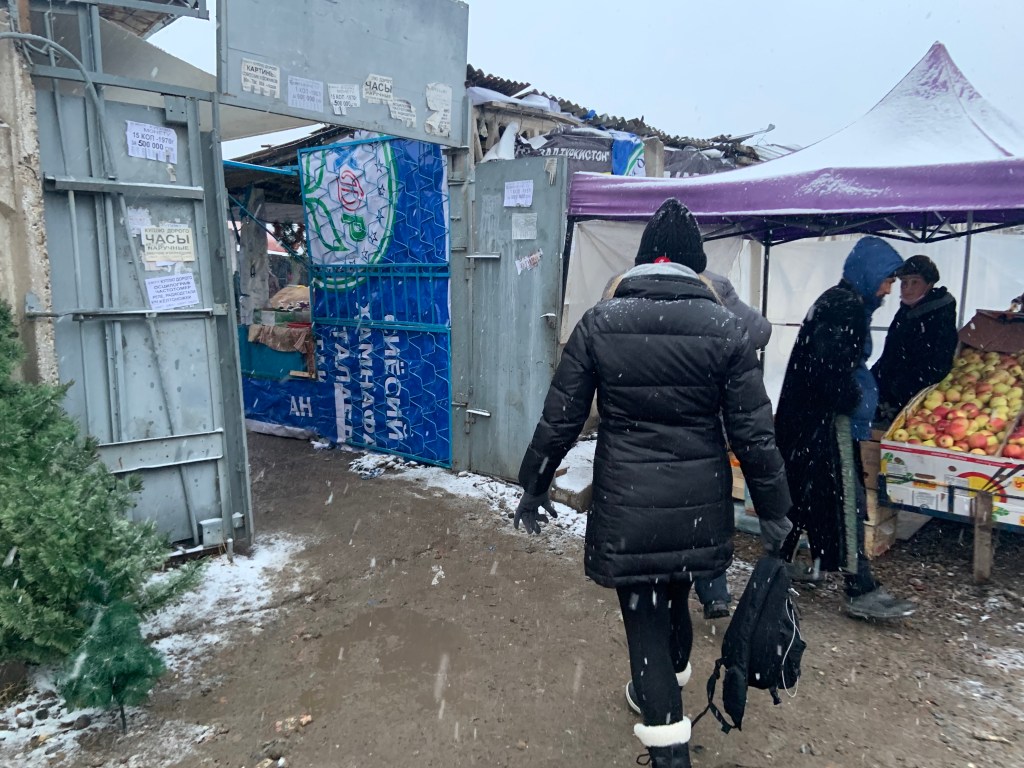
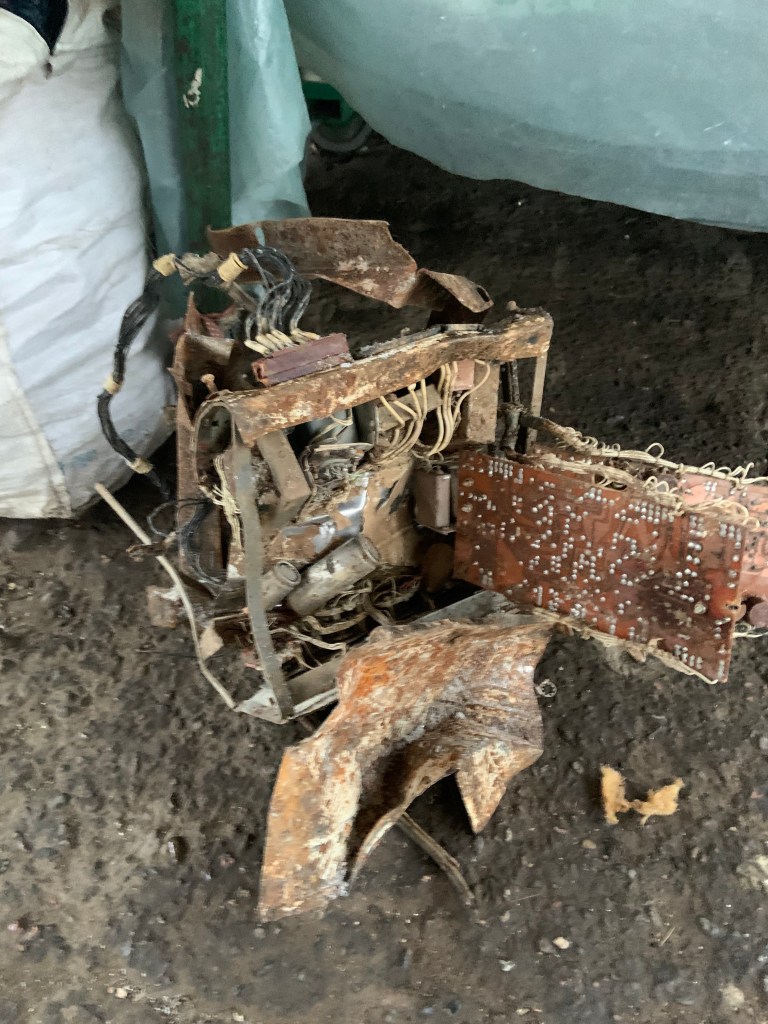
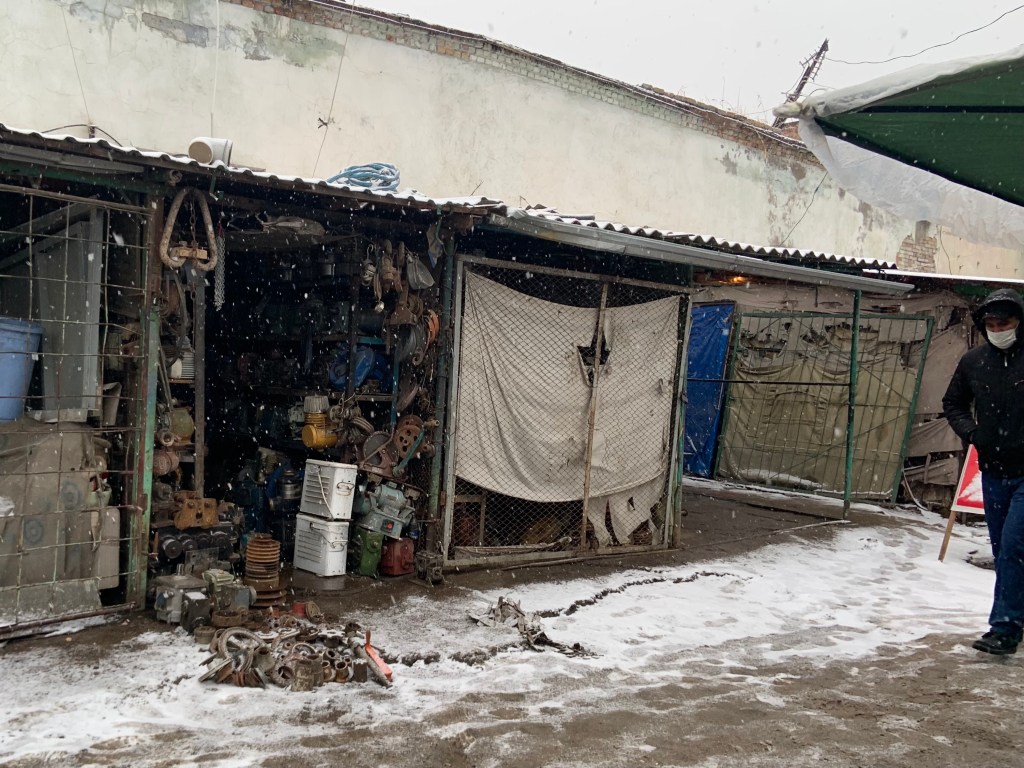
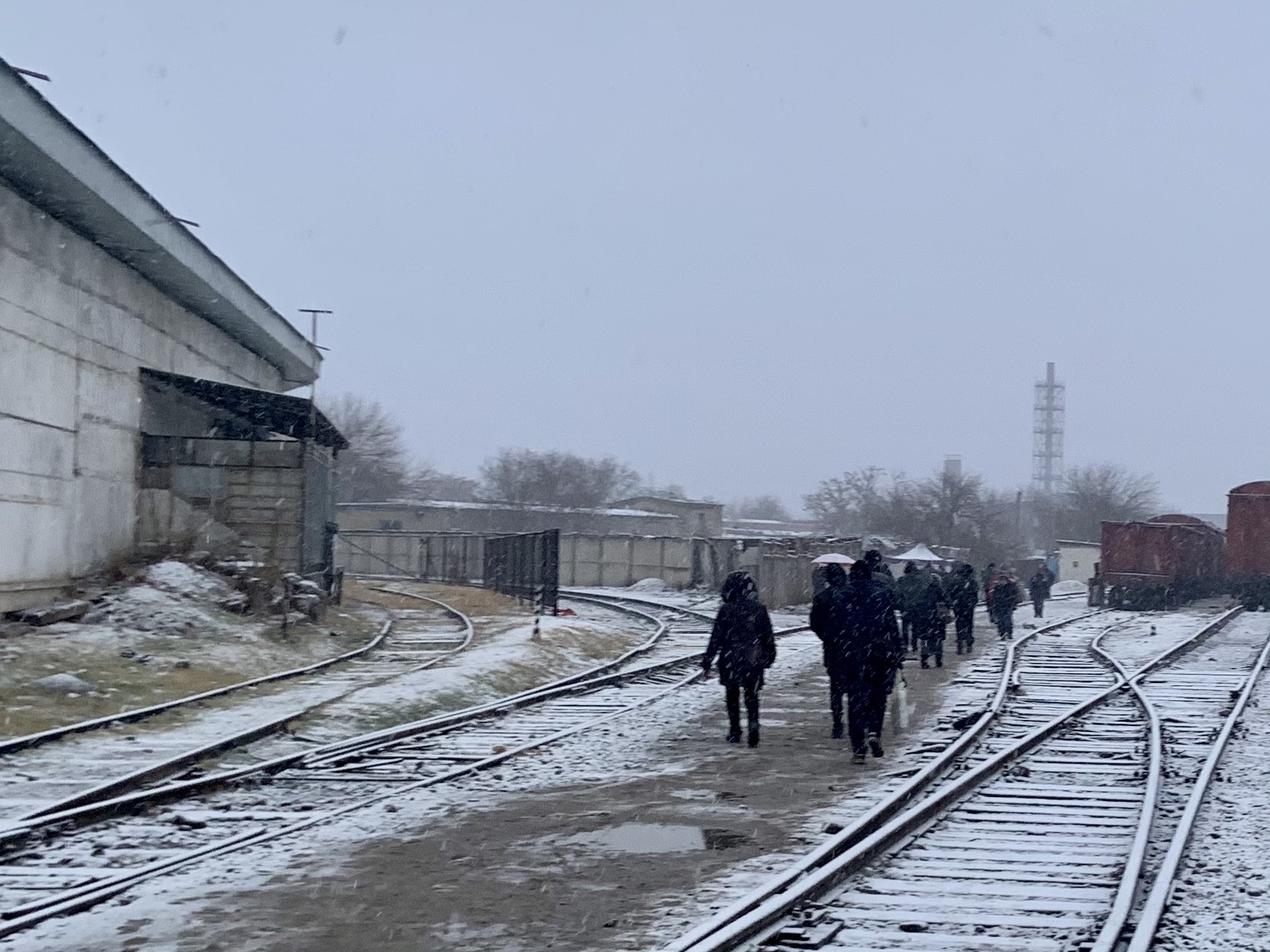
Nadia was looking for some antique glassware and old furniture to reupholster so we visited the famous flea market, Yangiobad Bazaar. The market is only open on weekends. It is a mix of permanent vendors and people occasionally hawking their wares. It is not designed for tourists but many of the expatriates at the school go often for the antiques. I liked the Soviet propaganda items like pins, Lenin busts, military uniforms, etc. It is a bit depressing to visit because the venue is an abandoned cement slab factory and the adjacent railway yard. Uzbekistan is a poor country, with a GDP of 120th in the world, which puts it above the African nations, but near the bottom of the rest of the world. It is actually very close to Bolivia.

I am amazed at the variety of items available, ranging from engine parts to cigars, old tubas to second-hand Android phones and everything in between. Much of the stuff for sale would go into landfills in more developed countries. The humble dress and goods, combined with ugly environs, makes me feel sorry for the poor here. The grey, snowy morning didn’t help the ambiance. We were treated nicely and it felt good to contribute to their livelihood. I picked up a Russian language version of the Beatles “A Hard Day’s Night” album LP for Owen for $1.50 and a metal hammer/sickle and for Oliver. I should have bought an old gas mask for my daughter, but I couldn’t find the stall where I first saw it. Maybe next time.I see online that it is also called the “tizzykafka” market. I am not sure what that means.

Apollo’s Arrow: The Profound and Enduring Impact of Coronavirus on the Way We Live

I heard several interviews of Nicholas Christakis, the Yale physician and sociologist on various podcasts. So when his book came out, I decided to pick it up. Christakis wrote 8 hours a day this summer to publish it while the pandemic is still going strong. I enjoyed the book, especially the first part that covered the medical and science part of the pandemic. I was less enthused reading the sociological impact of the virus. He is qualified to write on both aspects and that may appeal to readers.

He puts in many fascinating facts about the disease and its spread.

  • Pharmaceutical companies and university laboratories were able to produce a vaccine in the fastest time in history because of today’s gene technology. The genome of 29,903 letters was sequenced from a sample taken from a Huanan market vendor. Fudan University of Shanghai released the sequence to the public on January 11, 2020. Laboratories were able to quickly develop diagnostic tests and less than a year later, several vaccines are on the market.
  • This coronavirus (SARS-2) is 96.2% identical to a coronavirus found in a bat in a cave in Yunnan, China several years ago. This confirms that the SARS-2 originated in bats.
  • The Re number is the “effective reproductive rate” and measures the average number of people does an individual infect. The Re differs from the Ro because human actions (environment) determines the rate of spread along with the “capacity of the pathogen to start an outbreak” (R0). With ubiquitous testing, contact tracing and quarantine/isolation protocols, a system can reduce the Re greatly.
  • Christakis refers to studies showing a case is MOST infectious 1-2 days BEFORE symptoms appear and they are possibly most contagious during this time frame. In one study in Wuhan, 73% of secondary cases were infected before symptoms.
  • Christakis estimates between 40-60% of the world will be infected by the end of the pandemic.
  • Historically, vaccines and medications played a small role in the stopping of most infectious diseases. Measles, TB, typhoid, diphtheria were already nearing the bottom of their infection curves when vaccines were developed. This is known as the McKeown Hypothesis.
  • Masks are effective not only in reducing propulsion of exhalation particles, but they also reduce people touching their face. People touch their face roughly once every 4 minutes. Masks also signal to others to keep their distance from the wearer. A Yale study analyzed mask use in 46 countries around the world. Countries where mask use had always been the norm had many fewer deaths than those where it was not.
  • Many quack remedies were sent around social media and one study of 200 million tweets from January – May 2020 showed 62% of the top 1000 retweeters were bots.
  • Children are less likely to become infected. Early studies in China showed children under 9 living with an infected family member have a 7.4% attack rate while adults ages 60-69 had a 15.4% rate. The mortality rate for people under 20 was low, between 1-3 people out of 10,000 dying. For patients in their late 50s, 1 of 100 and for patients above 80, 1 in 5.
  • He does not think contact tracing apps work. His lab at Yale developed an app, Hunala, to estimate one’s risk with doing certain activities. I need to explore this app and perhaps introduce it to our school community.
  • Christakis points out correctly in discussing American university education that “huge investments in residential facilities (student centers and dorms with fancy amenities) and lots of midlevel deans and administrators contributing to higher tuitions and alarming debt loads”
  • Young doctors in training during the pandemic will view their profession as a calling more than an occupation due to the crisis.
  • The pandemic of 1889, the last flu epidemic of the 19th century, was first reported in Bukhara, Uzbekistan and killed over 1 million people. It was known as the Russian or Asiatic Flu.
  • COVID-19 patients with blood type A are 50% more likely to need oxygen therapy than patients with other blood types.

I was particularly interested in his take on school closures. He writes “the evidence is mixed, and it is very difficult to be sure”. He continues “An even more difficult issue relates to the usual utilitarian calculus of public health – whether the lives saved by closing the schools are, in fact, worth the short-term and long-term cost to children and to society.”

Apollo’s Arrow – Nicholas Christakis

Christakis does go on detail his take on school closures. He thinks school should be closed BEFORE the first case appears in a school, when the disease cases begin to appear in the community or in nearby areas. The proactive closure is more controversial, but research shows it is one of the most beneficial interventions that can be employed to reduce the pandemic. The rationale is a school will have to close when the disease becomes more prevalent in the community, so with a proactive closure, everyone will be inconvenienced by the school closure, but many cases will be averted because of the early closure. Much of the benefits of school closures come from the parents also staying at home. In a study of the 1918 Spanish Flu epidemic, earlier and longer school closures saved a lot of lives.

In reflecting what we did at TIS, we shut down when the first official case was reported in March, 2020 and stayed closed/virtual until October, 2020. That is an early and long school closure that probably saved some lives. Upon reopening the campus, we put in many measures to reduce transmission (outdoor learning, hand-washing, ventilation, masks, limit parents/visitors, etc.) and as in retrospect a public service, offered families the choice of virtual learning.

Apollo’s Arrow was a valuable read and I would like to thank Dr. Christakis for helping me understand the pandemic more. I also learned about the Greek god Apollo’s affiliation as bringer of plagues, hence the title.
An Amirsoy Holiday

Blue Skies – White Snow

We got back today from the Amirsoy Resort in the Tian Shan mountains. It was so refreshing to see the blue skies and lots of snow on the ground. My highlight was just spending time with Oliver and Ocean. They both developed into stronger skiers after 4 days and I saw much more confidence on the last day this morning. Both of them can now go all the way to the highest point of the resort (2,200 meters / 7,500 feet) and they did every slope except for #7 Bravo. I loved staying in the chalets, much for the convenience. We could drive the 500 meters to the Alpine Restaurant parking lot in the chalet village, put on the skis, and head down toward the chair lift to start our day. We rented the equipment and ski passes for 4 days so it was great to skip the lines in the equipment rental and cashier desk. I also loved going to the chalet at lunch to take a short nap and refresh myself for the afternoon. When you just go for the day, you are there the entire day on the slopes are in the restaurant.

Owen

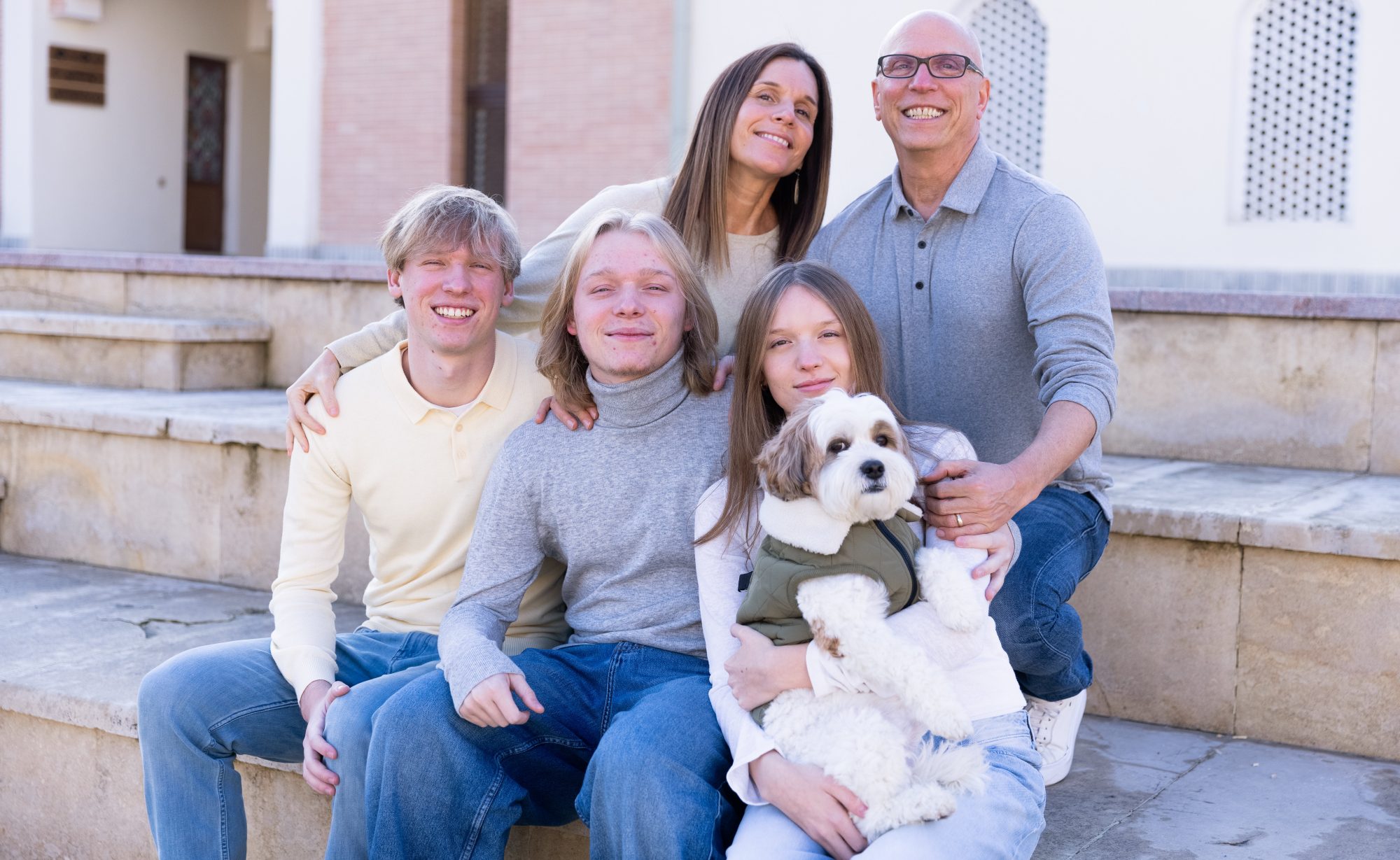
The kids are getting to an age where they prefer to spend time with their friends over their parents. Owen, Oliver and Ocean spent much of the time skiing with their friends, rather than with me. 😦 Such is life. I made the best of it and did a couple mornings and an afternoon with Oliver and Ocean. Being outside all day, being active and with my children makes for a delightful time. In the evenings we had fun with some TIS friends that were also staying at the resort. We hosted dinners for each other.

Ocean and Oliver

Family Journal: December 21, 2020

Family Road Trip!

I love the family road trips we take and as Owen is a senior this year, we are counting everyone as our possibly last as a complete family. We packed up the car and headed to the Amirsoy Resort for some skiing and family time. We arrived in the afternoon and after we sorted the equipment and lift tickets, Ocean, Owen and I were on the slopes. Ocean is developing her skills and said she loved skiing. I am trying to instil in the kids a love of outdoor activities. Hurray, a win there, perhaps. Today I will be concentrating on Oliver. Owen was snowboarding and is quite good and he loves the sport.

Owen and Ocean in the gondola

Because it is so hard to travel, much of the TIS community is spending their Christmas break at the resort. The kids are enjoying the company of other faculty children and their fellow TIS students. They made s’mores last night while Nadia and I watched High Fidelity and enjoyed a bottle of Georgian wine. I didn’t really like the movie, it has not aged well and John Cusak spends a lot of time talking to the camera. The guy is immature and trying to find his way in life.

The View from our Chalet

It is amazing what a bit of elevation and about 60 kilometers does for one’s mood. We have left behind the grey skies and brown/wet streets of Tashkent for the sunny, winter wonderland of the Ugam-Chatkal National Park! It is absolutely beautiful up here with a fresh snowfall on Sunday.

Family Journal: December 20, 2020

Nadia enters a new deli shop downtown

We spent most of the day shopping, getting ready to go to the Amirsoy Ski Resort. We are renting a chalet for 3 nights starting tonight. It is nice to cook in the chalet together. With travel still difficult, many expats are heading to the mountains outside of Tashkent for this break. I can’t wait for some skiing and family time! The Mirabod Bazaar, our suburb’s main outdoor market was full of New Year’s decorations and gift items. Fruit baskets, soda pop and juice are two popular gifts.

Fruit Basket at Mirabod Bazaar for Sale

We watched “Lost in Translation” last night. I forgot how good that movie is! As I am getting closer to Bill Murray’s character in the movie, I related more to the film. Sofia Coppola, the director also really captured how foreigners see Japan when they first arrive to the country. Having lived in Japan for five years, we could relate and it brought back fond memories from some of the places we visited in Tokyo and Kyoto.

4:30 PM sunset walk along a side canal near our neighborhood Makro

We are packing the car this morning and off for a few days of R&R!

Family Journal: December 19, 2020

Winter Fruit Sale – persimmons, pomegranates, melons

Tashkent, like many of the former Warsaw Pact countries is not at its best during winter. Cold, wet, foggy weather combined with bare trees does not give a flattering backdrop to the Soviet architecture buildings. I went for a nice long bike ride yesterday around the city. Traffic was not bad and there are many side streets, pathways and trails away from the main streets. I always see a new part of the city on my rides. I wonder who painted the Beetles mural below on a shed on a side street?

It was a quiet day on the first day of our Winter Break. I worked in the morning, answering emails, completing references and following up with recruiting interviews. After my ride, I took a delicious nap and spent time with the family. I helped prepare a pork roast in a crock pot and we laughed a lot at the dinner table. Breaks give us more time to dine together as a family. I watched the movie Mosul on NetFlix. It is the story of a rogue Iraqi military unit hunting ISIS fighters in the final days of the war in the devastated city of Mosul. It was your typical military action adventure but the setting of Mosul made it interesting.
I like the year-end summary on Strava. I should go “pro” on Strava and use it more to track my exercise. I hope to get to the 3,000 KM mark in 2021!

Family Journal: December 18, 2020

Getting Cozy with Obi

We made it to our Winter Break! Our school completed 10 weeks of on campus learning on Friday, December 18. As always, it was a busy finish to the calendar year and I am looking forward to more time with my family during the break. We are nearing the winter solstice and I took the photo below while on front gate duty. As the director of the school, often I am out and about in the mornings, greeting students, parents and employees. The sun rises around 7:45 AM and I am usually out near 8:00 AM . The sun comes up while I am on the street in front of the school. It has been a cold winter so far with temperatures hovering around 0C daily. Next week we’ll have a high of 7C and daily lows around -3C.
Mirabod Police Control Traffic and Help Members on the Crosswalk

I took Obi for a walk last night along a side canal and around some of the big apartment complexes near the airport. I noticed some new restaurants and upscale shops on one of the streets. The growth of economic development of Tashkent is amazing. I am looking forward to recharging my body and mind and welcoming 2021!

View of a Canal Near the Airport

Happy Birthday Owen!

A bit sleepy, but officially an adult!

We celebrated my son Owen’s 18th birthday on Sunday. All of us had an emotional day in a happy way, acknowledging that he is now officially an adult and Nadia and I wondering how it went by so fast! Nadia cooked a delicious American brunch of bacon, eggs, pancakes and buttered toast. We all ate in front of the TV because Owen wanted to. We have a family tradition that if it is your birthday, you are the king/queen of the house and can do whatever you want. We bought Owen some new clothes at a Turkish men’s clothing store in the Samarkand Darvoza (Gate) the largest shopping mall in Tashkent. He is modeling one of the shirts Nadia selected for him.

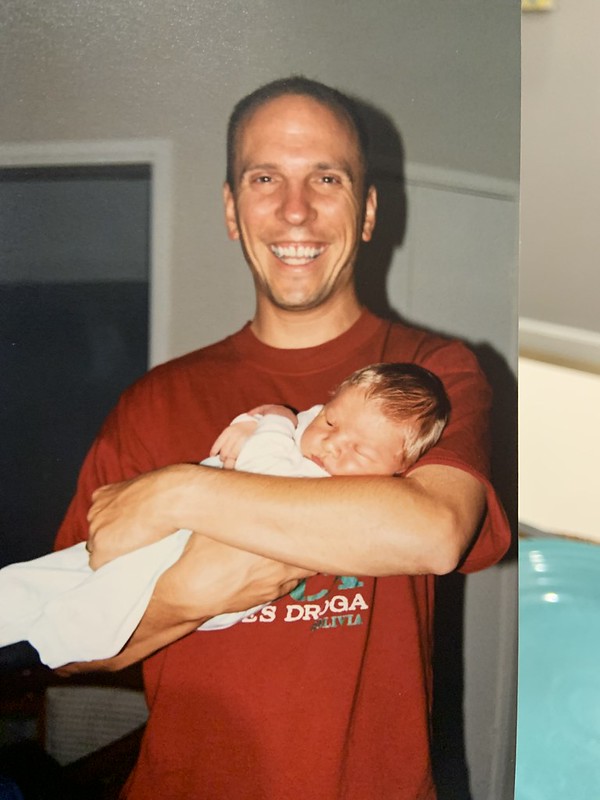
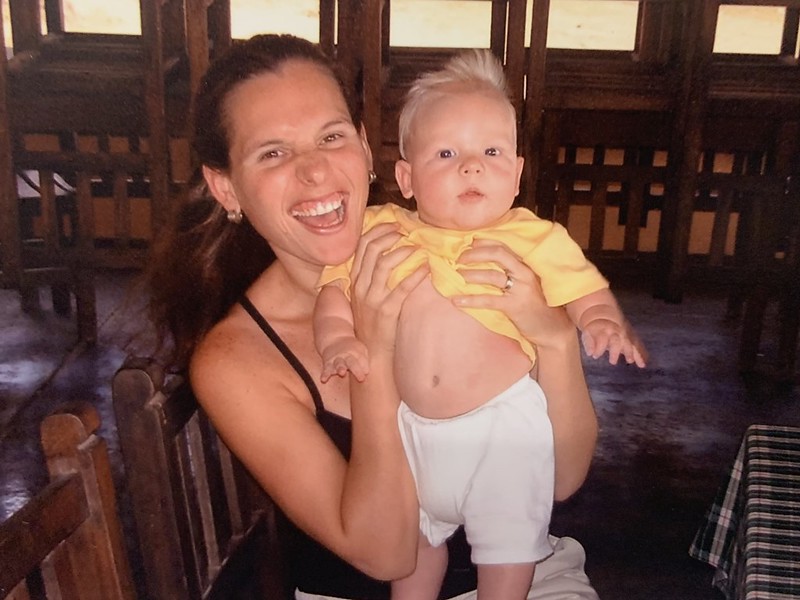
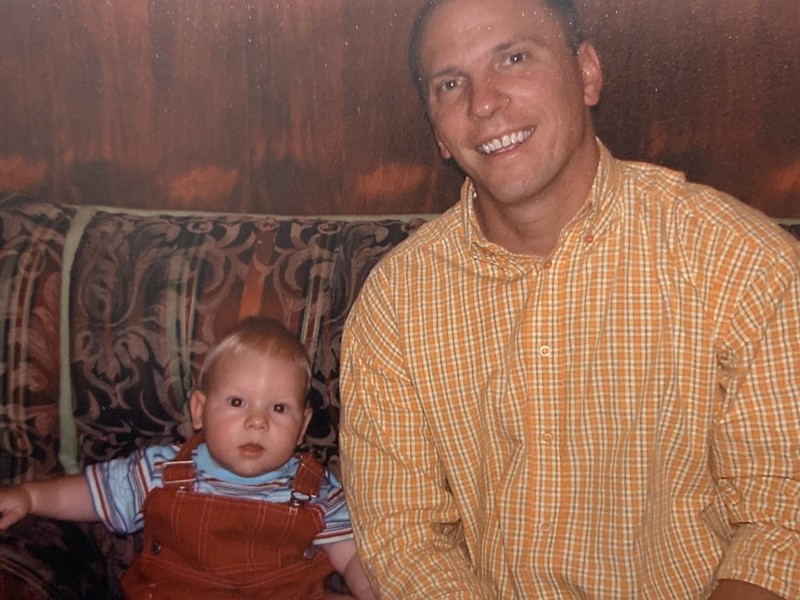
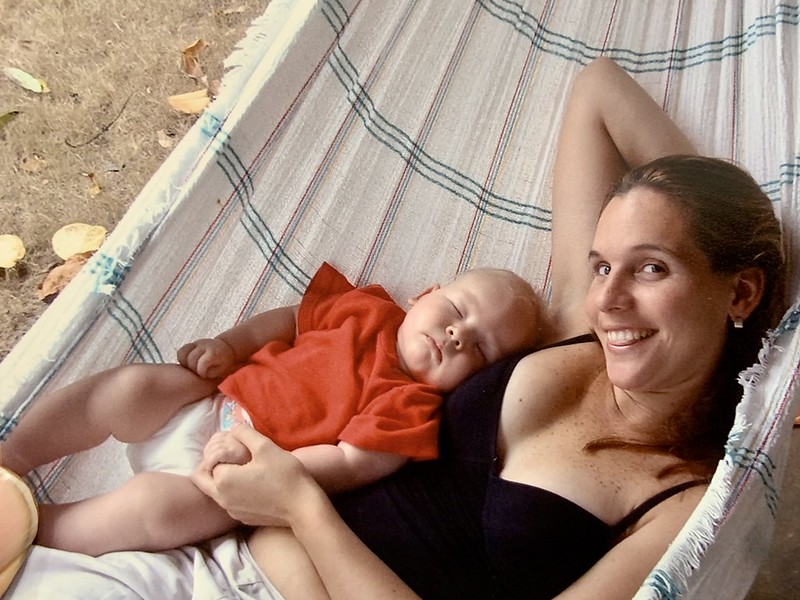
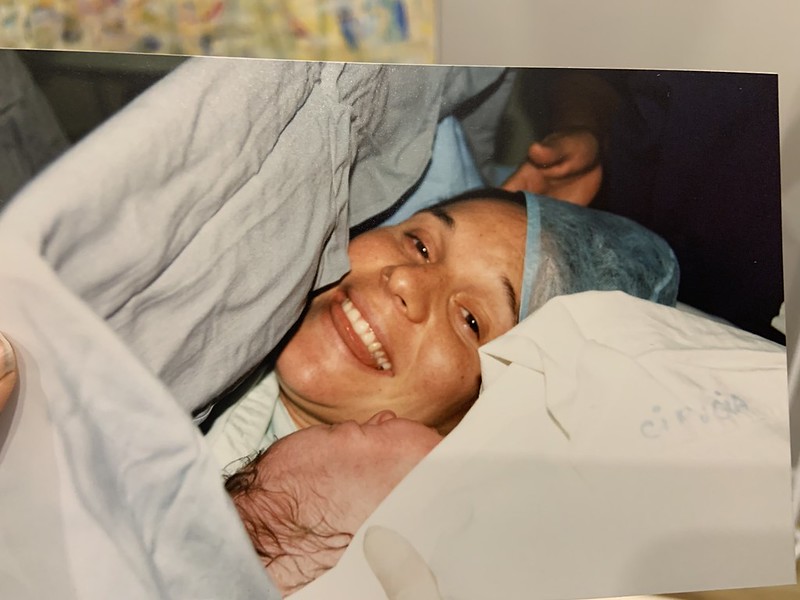
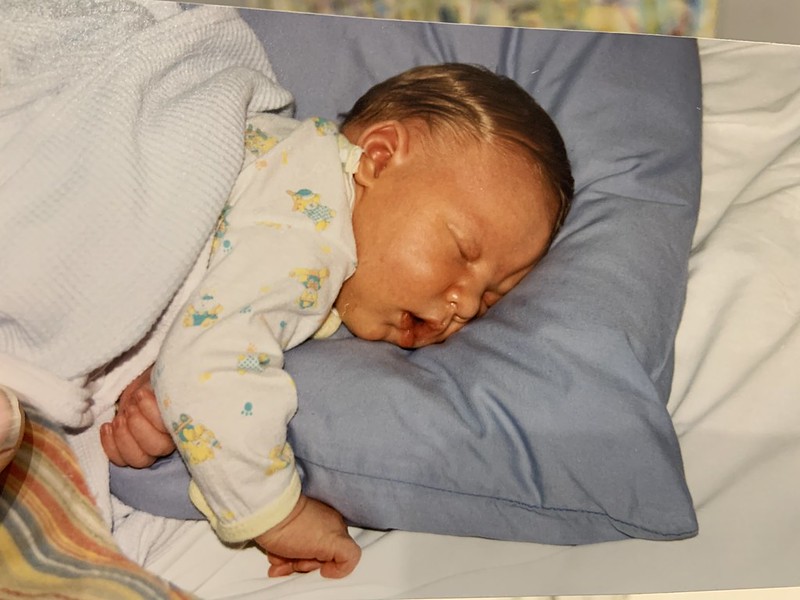
In thinking of 18 years of raising Owen, I reflected back on when it started. I made a gallery of 2002-2003 when Owen was born. Nadia gave birth at the Clinica Foinini in Santa Cruz, Bolivia. We were teaching in Venezuela at the time. Nadia felt more comfortable with her family in Santa Cruz. I remember this was the time of political instability in Venezuela and I was lucky that our school closed a week earlier than expected, so I was able to take a longer paternity leave. Some colleagues came to Santa Cruz with me to see Bolivia during the extended Winter Break. I still remember the morning of Owen’s birth. I took my friends to get the Cruceno delicacy, saltenas, and received a call that Nadia was having contractions. We immediately went to the hospital. Later that day, Owen was born around 7:30 PM on December 13, 2002, a day I will never forget!

We all spent Owen’s birthday together and had a lot of laughs. We watched Christopher Nolan’s new movie, Tenet in the evening. On Friday night, Nadia and I went shopping for Christmas presents and getting a shelf and desk for Ocean’s room. She was complaining her room was empty and so we made it nice and cozy for her. The hope is she does more school work. Below you can see the result of Nadia’s design touches.

Ocean’s happy in her new bedroom!